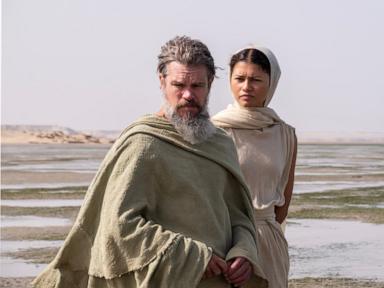
Christopher Nolan just shattered his own records with a massive $264.1 million global opening weekend for his three-hour, R-rated epic, The Odyssey. While trade publications celebrate this as a triumph of pure art, the reality is far more calculated. This was not a random victory for high culture. It was a masterclass in aggressive, year-long structural scarcity and premium format manipulation that forced audiences into premium seats.
The industry is cheering, but the underlying mechanisms reveal a deeper shift in how studios must manufacture blockbusters when standard intellectual property fails to guarantee a crowd.
The Myth of the Unmarketable Masterpiece
Hollywood executives love to claim that original storytelling is dead because audiences only want comic books and established brands. Then a three-hour adaptation of ancient Greek poetry brings in $124.5 million domestically in three days. The narrative being sold is that Nolan is a wizard who can turn a mandatory high school reading assignment into gold.
The numbers tell a different story. Universal Pictures spent an estimated $250 million to produce the film, adding another $125 million for marketing. You do not spend $375 million total on a passion project unless you have engineered a bulletproof system to claw that money back.
Nolan did not win over audiences with Homeric hexameter. He won them over by transforming a movie ticket into an exclusive status symbol.
The Real Driver of the Revenue Surge
Premium large formats, specifically IMAX, accounted for nearly a quarter of all ticket sales over the weekend. This was entirely intentional. By shooting the film entirely on IMAX cameras, the production created an artificial sense of urgency. Audiences were told, implicitly and explicitly, that watching this movie on a standard theater screen was an inferior experience.
Theater chains took the bait. Some locations added midnight and 3 a.m. screenings to keep up with the demand for 70mm film prints. People are not waking up at two in the morning because they are desperate to see Odysseus fight a Cyclops. They are doing it because the marketing campaign convinced them that missing the premium experience was a cultural failure.
This creates an uncomfortable reality for mid-budget filmmaking. If a movie requires a $375 million investment and a monopoly on the world's largest screens just to break even, the traditional theatrical ecosystem remains broken. The success of this single film does not trickle down to protect independent cinema. It starves it of resources and screen time.
Breaking Down the Break Even Math
Universal needs at least $625 million in worldwide ticket sales just to cover the bills. Because theaters keep roughly half of the domestic intake and even more from international territories, the film still has a long road to true profitability.
A massive opening weekend prevents a disaster, but the second-weekend drop-off will dictate whether this investment was actually smart. The movie is long. It is dense. It carries an R-rating that cuts off the teenage demographic that usually fuels multi-week repeat viewings.
Estimated Financial Exposure
----------------------------------------
Production Budget:         $250 million
Marketing Spend:           $125 million
Global Break-Even Target:  $625 million
Opening Weekend Haul:      $264.1 million
Relying on older audiences means the film needs sustained word-of-mouth rather than initial hype. The early data looks promising, with high audience scores, but summer legs are notoriously difficult to sustain when flashier, shorter blockbusters enter the market later in the month.
The High Cost of Director Worship
Studios have spent the last decade diminishing the power of the director in favor of the brand. Marvel and DC proved that the logo on the poster mattered more than the name behind the camera. Nolan remains the final outlier, a brand unto himself.
This gives him unprecedented leverage. Universal granted him total creative control, a massive budget, and a prime summer release window. This arrangement works perfectly when the movie clears a quarter-billion dollars in three days. But it sets a dangerous precedent for an industry that is terrified of financial risk.
When a studio ties its entire financial health to the whims of a single auteur, they are playing a high-stakes game. If the next project stumbles, the backlash from shareholders will be fierce, likely freezing out funding for other ambitious, filmmaker-driven projects for years to come.
The massive debut proves that audiences will show up for challenging material, provided it is wrapped in the shiny packaging of an event spectacle. Universal gambled heavily on prestige, and for now, the house is winning.