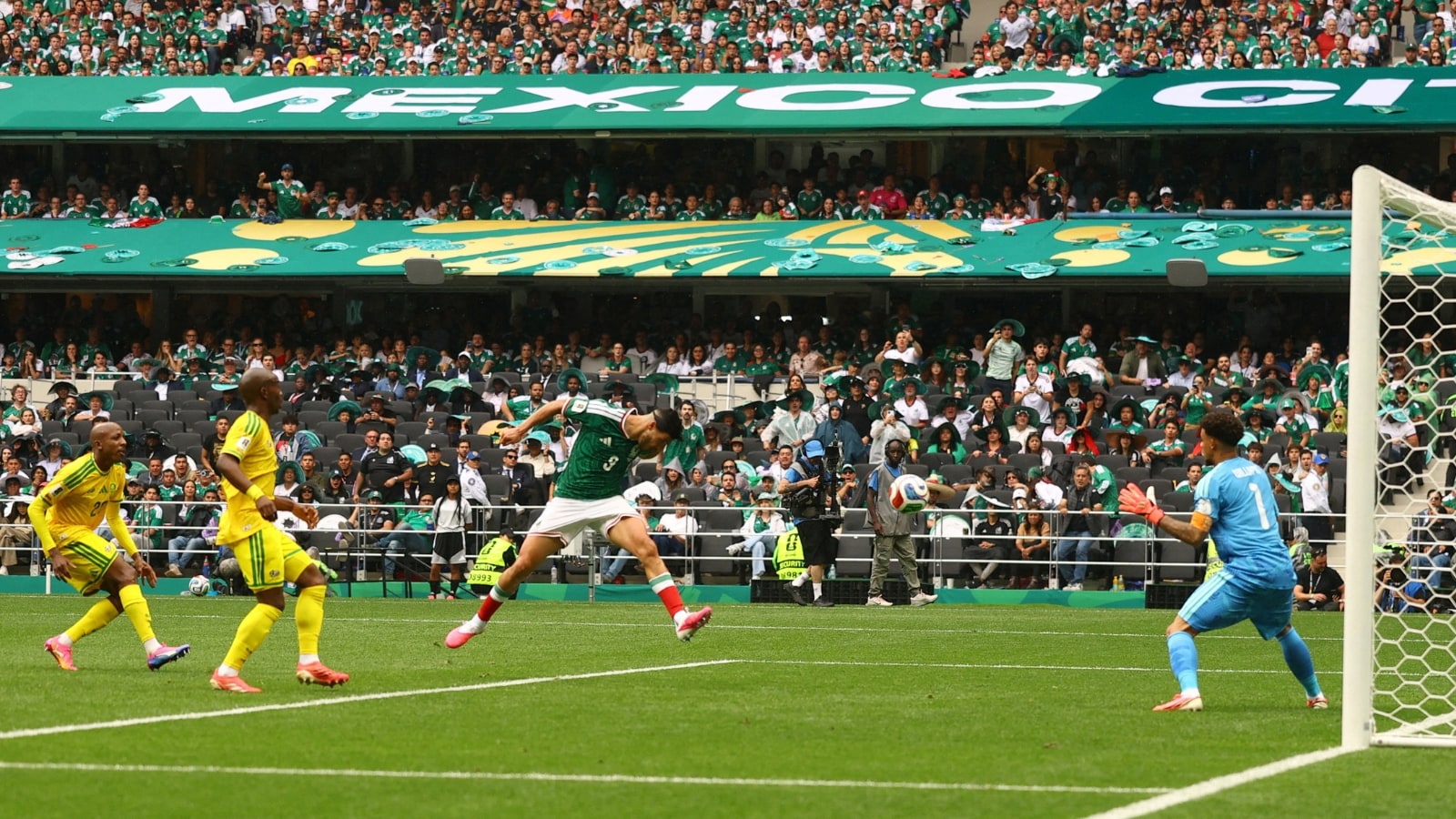
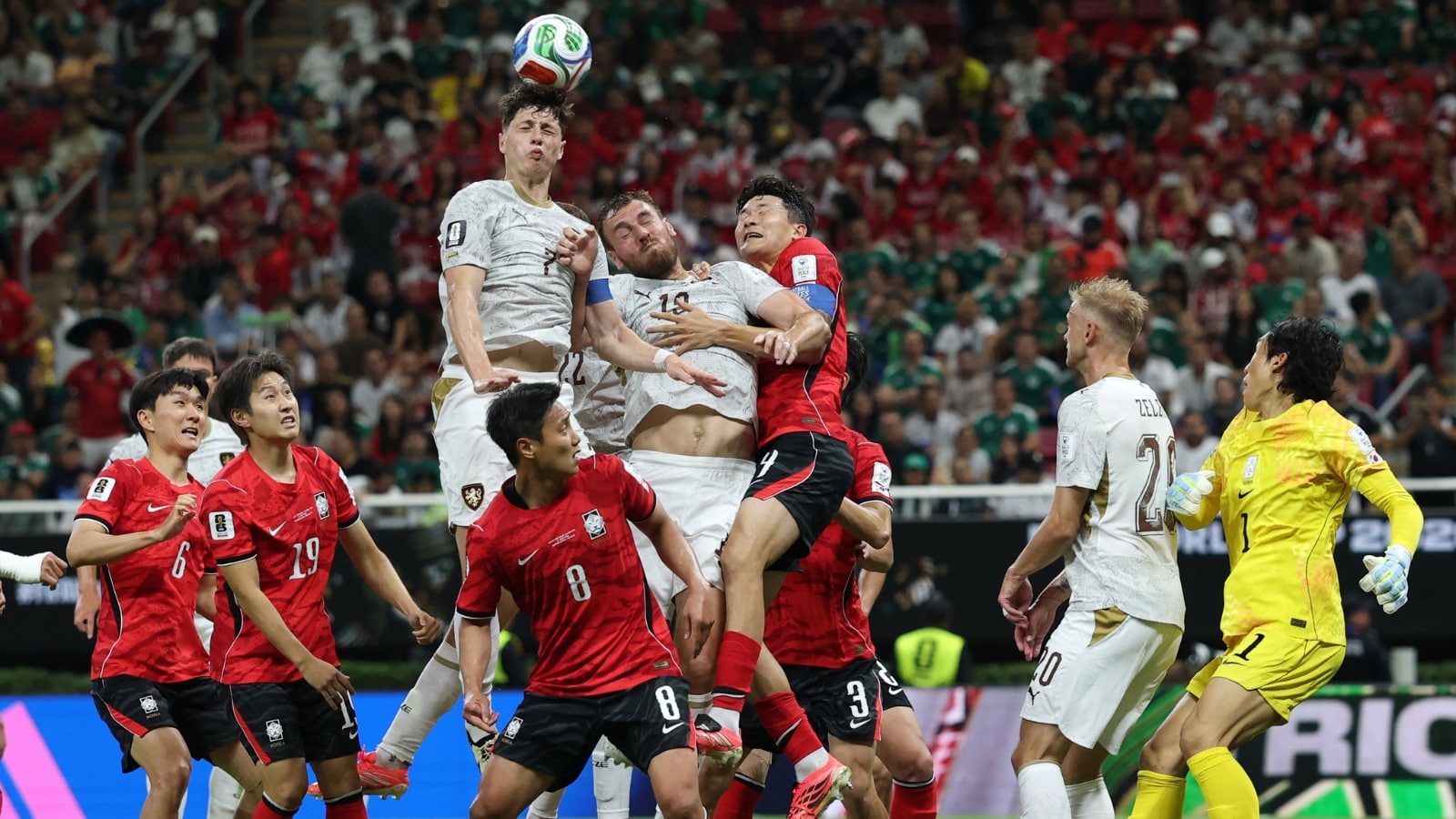
The Mexican national team secured a victory against South Africa, but the scoreline masks a much deeper crisis in development and tactical execution. While casual observers celebrated El Tri passing their first test of this cycle, a closer look at the pitch reveals glaring systemic flaws that top-tier opponents will easily exploit. Mexico won because of individual moments of athletic superiority, not a cohesive tactical blueprint. If the technical staff mistakes this result for genuine progress, the national team is headed for a swift reality check when the tournament matches begin.
The Illusion of Control on the Pitch
Scoreboards lie. They do it constantly in international football, where a single defensive lapse or a deflected shot can alter the entire narrative of a ninety-minute match. Mexico’s recent outing showed a team that dominated possession on paper but lacked any real imagination in the final third of the field.
The midfield rotation looked sluggish. Against a South African low block that crowded the central channels, Mexico reverted to predictable wide recycling. The ball moved from center-back to fullback, then back to the center-back, creating a sterile U-shaped passing pattern that required zero defensive adjustment from the opposition.
Winning requires friction. It requires players willing to risk turnovers by driving central passes through the lines. Instead, the midfield played with an excess of caution, preferring the safety of possession over the risk of creation. When the opening goal finally arrived, it owed more to a defensive miscommunication during a set-piece than any sequence of sustained attacking fluidness. Relying on dead-ball situations to rescue poor open-play dynamics is a dangerous strategy for any team with championship aspirations.
The Structural Failure in Transition
When possession changed hands, the structural flaws of El Tri became dangerously apparent. The defensive transition was slow, disorganized, and heavily reliant on recovery paces from individual center-backs rather than a disciplined counter-press.
South Africa exposed this gap multiple times on the counter-attack. A more clinical attacking unit would have punished Mexico before halftime. The distance between the midfield line and the defensive back four frequently stretched past thirty yards, creating a massive pocket of space for opposing midfielders to turn and drive forward.
- The Midfield Gap: The central pairing failed to drop quickly enough to plug the space in front of the penalty box.
- The Fullback Vulnerability: Wingbacks pushed so high during the build-up phase that they were completely out of position during turnovers, forcing the central defenders to shift wide and leave the middle exposed.
- The Lack of Tactical Fouls: Players consistently failed to break up the opposition’s momentum early in the transition phase, allowing counter-attacks to gather speed.
The Youth Development Lie Catching Up to the Senior Squad
Mexico’s tactical stagnation is not an isolated coaching issue; it is the direct result of a broken developmental pipeline. For years, Liga MX executives have prioritized short-term commercial success and immediate results over long-term player development.
The lack of young Mexican talent playing regularly in top-flight domestic matches has created a massive generation gap in the national team pool. When the national team coach looks at the bench for a game-changing substitute, the options are either aging veterans past their prime or unproven prospects who sit on the bench for their club teams.
Consider a hypothetical scenario where a young domestic midfielder shows immense promise during a brief tournament run. In a healthy football ecosystem, that player receives sustained minutes to learn from mistakes. In the current domestic system, that club often buys an expensive foreign veteran the following transfer window, relegating the youth prospect back to the under-23 squad. This practice suffocates development and leaves the national team with a severe lack of battle-tested depth.
A Scarcity of European Experience
The modern international game is played at a tempo dictated by European club competition. Mexico’s current roster features a historic low number of players competing regularly in the top five European leagues.
Without weekly exposure to that level of pressing, tactical discipline, and physical intensity, domestic players look out of breath and out of ideas when confronting international opponents who play at that speed. The match showed this clearly. Whenever the tempo accelerated, touch grew heavy, passes drifted wide, and decision-making broke down entirely.
Tactical Adjustments That Must Happen Immediately
Fixing these deficiencies requires a radical departure from the current tactical setup. The manager cannot continue employing a rigid system that ignores the specific profiles of the players available.
First, the midfield configuration needs a designated defensive anchor who stays disciplined in front of the center-backs. Trying to play with two box-to-box midfielders who both want to join the attack leaves the backline completely unprotected. A dedicated holding midfielder would solidify the defense and allow the fullbacks to push forward with actual coverage behind them.
Current Flawed System:
[Center-Backs] ---- (Huge Open Space) ---- [Attacking Midfielders]

Proposed Solidified System:
[Center-Backs] ---- [Disciplined Anchor] ---- [Attacking Midfielders]
Second, the attacking frontline must change its movement patterns. The current strategy relies too heavily on static wingers waiting for the ball on the touchline. Modern defenses find this incredibly easy to mark out of the game. The wingers need to make diagonal runs inside the channels, dragging defenders out of position and creating space for overlapping fullbacks. Without these coordinated movements, the attack will remain entirely dependent on individual brilliance or defensive errors.
The Psychological Fragility of the National Team
Beyond the tactics and the structural issues lies a persistent psychological hurdle. This team plays with an immense weight of expectation that turns into visible anxiety the moment a match deviates from the script.
When things go well, the team plays with flair. The moment an opponent scores against the run of play or applies heavy physical pressure, the tactical discipline evaporates. Players begin arguing with officials, forcing individual plays, and abandoning the collective game plan. This emotional volatility is fatal in tournament football. True elite teams respond to adversity with increased tactical rigidity and calm execution, not panic.
The victory over South Africa provided a nice headline for the morning papers, but it offered nothing in the way of sustainable tactical growth. The flaws are visible to anyone willing to look past the final score. If Mexico intends to compete with the elite tier of international football, the restructuring must start now, on the training pitch, with a hard look at the reality of their performance rather than the comfort of a deceptive result.