The global industrial engine is not just slowing; it is seizing up as the war in Iran enters its third month. While the headlines focus on the $120-a-barrel Brent crude and the tactical back-and-forth in the Persian Gulf, the real crisis is a quiet, systemic failure of the world's most basic supply chains. The closure of the Strait of Hormuz on March 4, 2026, did more than strand tankers. It severed the primary artery for 50 percent of the world’s seaborne sulphur trade, a third of its crude oil, and nearly 20 percent of its liquefied natural gas.
This is not a temporary price spike. It is a fundamental dismantling of the "just-in-time" manufacturing model that has defined the last thirty years of global commerce. From the grounding of 75 percent of Europe’s jet fuel supply to the mandatory four-day workweeks in Pakistan, the ripple effects have moved past energy and into the very materials required to build a modern world.
The Sulfur and Helium Trap
Most analysts are staring at oil tickers, but the real damage is happening in the chemical and semiconductor sectors. Sulfur is the "workhorse" of the global chemical industry, essential for producing the phosphate fertilizers that keep global food supplies stable. With half of the world’s seaborne sulfur trade normally transiting the Strait of Hormuz, the agricultural sector is facing a vertical price wall.
In the technology sector, the vulnerability is even more acute. Qatari helium and aluminum, vital for microchip fabrication, are effectively trapped. Drone strikes on regional infrastructure have not only damaged physical plants but have made the insurance of any outgoing cargo a mathematical impossibility for most firms. By early March, war-risk premiums jumped 600 percent in a single week. For a very large crude carrier, that translates to an additional $250,000 per transit. For high-precision tech components, the cost-benefit analysis has simply broken.
Europe and Asia on Life Support
While the United States remains relatively insulated due to a domestic production surge, the rest of the world is resorting to measures not seen since the 1970s. The International Energy Agency has termed this the largest supply disruption in history, and the policy responses reflect that desperation.
- India: The government has restricted gas-powered cremations, with citizens forced to use firewood or even furniture.
- Egypt: A nationwide 9 p.m. curfew is in effect, turning off streetlights and closing all commercial activity to save power.
- Bangladesh: Frequent grid failures have shut down textile factories, the backbone of the nation's economy.
- Switzerland: Despite its perceived neutrality and wealth, the country is facing an annual energy bill increase of 5 billion CHF.
The stagflation the European Central Bank warned about in March is now a reality. We are seeing a rare and toxic combination of zero growth and runaway inflation. When the price of urea—a critical fertilizer component—jumped 50 percent in a single month, it guaranteed that the food price shock of late 2026 will be far more devastating than the energy shock of early 2026.
The Desalination Disaster
One of the most overlooked factors in this conflict is the physical survival of the Gulf states themselves. Countries like Qatar, Bahrain, and the UAE rely on desalination for 70 to 90 percent of their potable water. These plants are energy-intensive and highly centralized targets.
Drone attacks on desalination infrastructure have turned a regional war into an existential crisis for civilian populations. In Doha and Dubai, water security is now tied directly to the ability to keep power plants running under a blockade. If these facilities sustain permanent damage, the resulting humanitarian migration would dwarf anything seen in the last decade.
The Logistics of a Locked Gate
The Strait of Hormuz is not the Suez Canal. There is no "Cape of Good Hope" alternative for the Persian Gulf. If the Suez is blocked, ships take the long way around Africa. If Hormuz is blocked, the oil and gas simply stay in the ground. The US-led counter-blockade initiated on April 13, targeting ships reaching Iranian ports, has only hardened the stalemate.
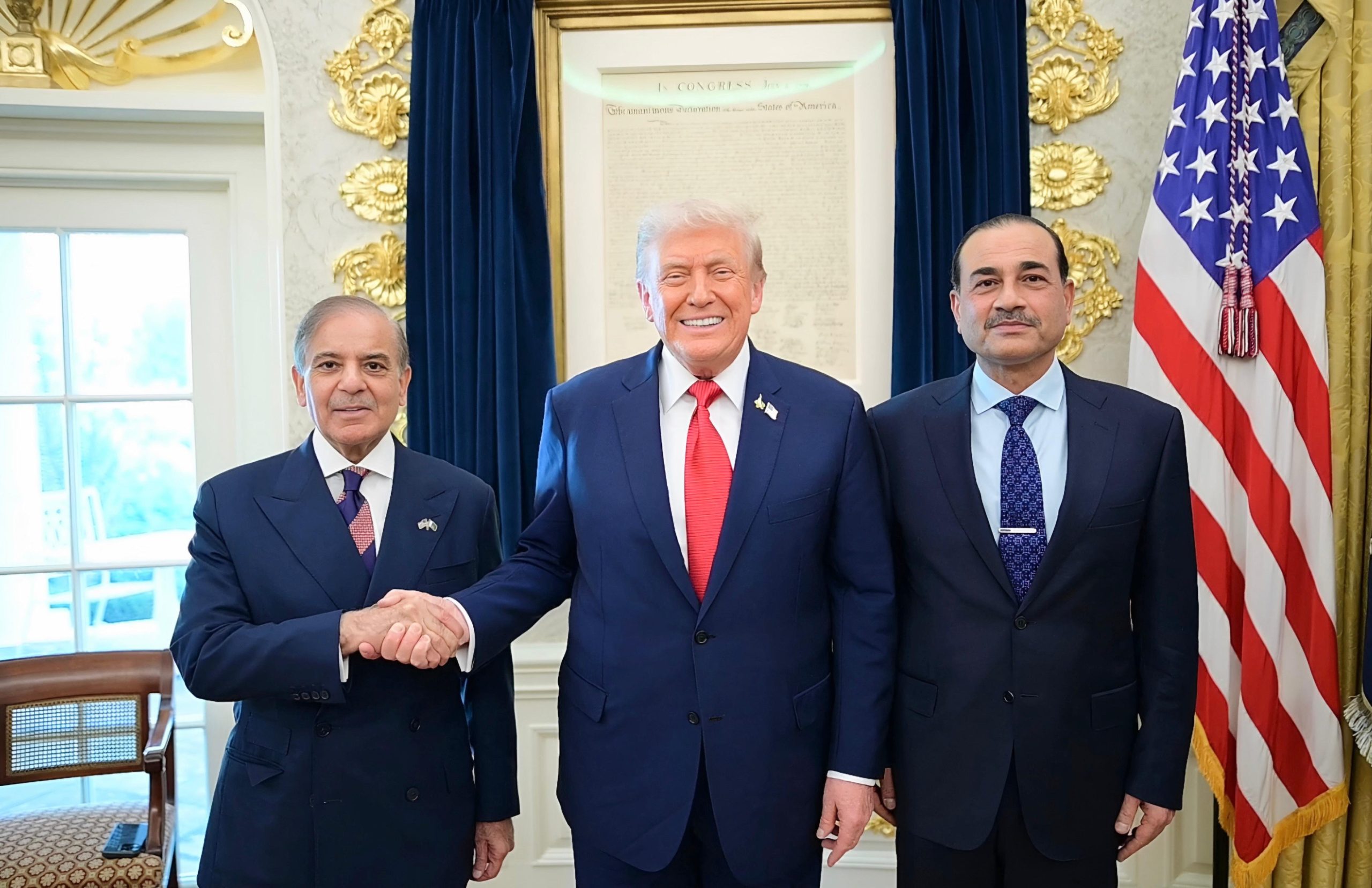
The Pakistani-mediated talks that led to a brief, fragile ceasefire in April have failed to address the core issue: the physical reopening of the waterway. Without that, the "cumulative waves" of inflation described by World Bank economists will continue to crash. First energy, then food, then a total debt collapse as interest rates are hiked to combat the very inflation the war is creating.
The industrial world was built on the assumption of cheap, liquid transit through 33 kilometers of water. That assumption was a fantasy. The current reality is a world where a school strike in Minab or a drone over a Qatari helium plant can dictate the price of a loaf of bread in London or a smartphone in New York. The system didn't just break; it revealed that it was never truly stable to begin with.
Industry leaders are now facing the brutal realization that "resilience" is just an expensive word for "having no other choice." The shift toward domestic production and shorter supply chains is no longer a strategic preference. It is a survival mandate for any nation that intends to keep the lights on through the end of the decade.