British households are currently caught in the deceptive "calm before the storm," as food inflation appears to stabilize while a massive systemic shock builds behind the scenes. Within the next three months, grocery bills are forecast to surge, with some industry analysts warning of a spike that could push food inflation above 8% by June 2026. This is not a simple matter of retailers padding their margins; it is the result of a "triple threat" involving a volatile energy market, a crumbling domestic fertiliser supply, and the heavy friction of post-Brexit trade barriers that have already cost consumers billions.
If you think the current price at the till is high, the data suggests it is about to get much worse.
The Fertiliser Trap and the Strait of Hormuz
Modern agriculture is essentially the process of turning fossil fuels into calories. This spring, the most critical "ingredient" for British farming—synthetic fertiliser—has become a geopolitical weapon. The ongoing conflict in the Middle East has effectively choked the Strait of Hormuz, a transit point for 30% of the world’s urea and ammonia nitrate.
The impact on the British farm gate has been instantaneous. Urea prices have rocketed from $300 a tonne at the start of the year to nearly $700 this month. For a UK farmer, this presents a devastating binary choice: pay double for the nutrients required to grow a normal crop or skip the application and watch yields collapse by as much as 50%.
Either path leads to the same destination: higher prices for the consumer. Because the UK now produces less than half of its own synthetic fertiliser requirements, we are uniquely exposed to these global price shocks. We are no longer just importing food; we are importing the inflation of every nation involved in the energy supply chain.
The Grid Connection Crisis
While global wars grab the headlines, a quieter "stealth tax" on British food is being prepared by the energy regulator. From April 2026, electricity network standing charges are set to rise by an eye-watering 94% for high-capacity users. This is not a rise in the price of the electricity itself, but a massive hike in the cost of simply being connected to the grid.
This hits the most innovative sectors of British food production the hardest.
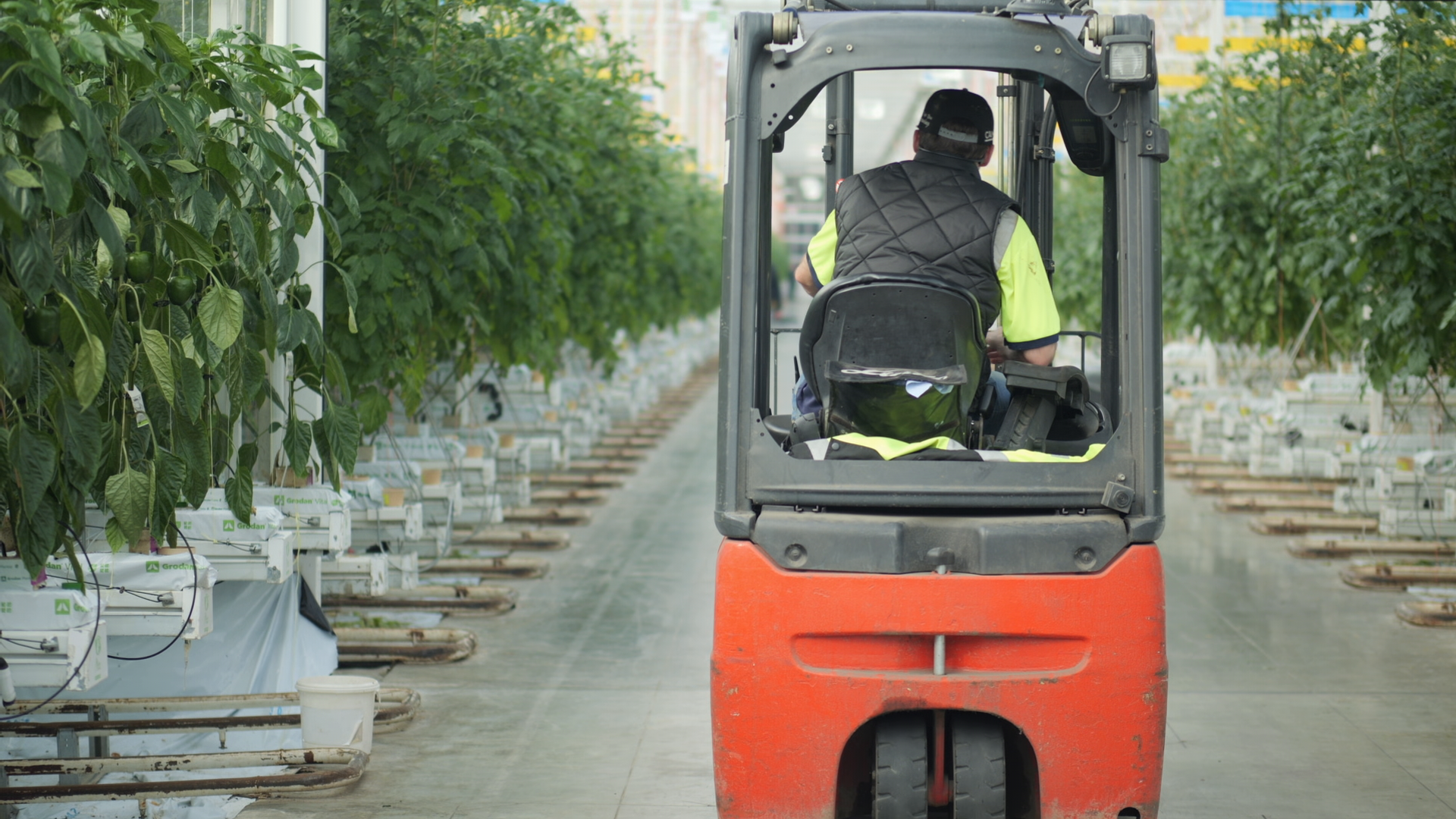
- Controlled Environment Agriculture: Glasshouses and vertical farms, which provide year-round salad crops, are being hit with million-pound increases in annual operating costs.
- Dairy and Poultry: These sectors require high-load infrastructure for cooling, ventilation, and automated milking.
- The Regulatory Oversight: Unlike heavy manufacturing, horticulture is currently excluded from the Energy Intensive Industries (EII) relief scheme due to outdated classification codes.
When a vertical farm in the Lea Valley sees its standing charges nearly double, they cannot simply absorb the hit. With margins on many fresh staples already hovering around 1.5%, these costs will be passed directly to the supermarket shelf.
The £7 Billion Brexit Friction
It is an uncomfortable truth for policymakers, but the "non-tariff barriers" created by post-Brexit trade arrangements have become a permanent inflationary floor. Research from the London School of Economics indicates that these barriers have already added roughly £250 to the average annual household food bill.
Every shipment of fresh meat or dairy from the EU now requires complex Veterinary Health Certificates and physical border checks. A single paperwork error can leave a lorry-load of perishable goods rotting at a checkpoint. To compensate for this risk, European suppliers are either raising prices specifically for the UK market or abandoning it entirely. The result is a reduced supply and a "risk premium" baked into every block of butter and liter of milk you buy.
The Death of Just In Time
For decades, the UK food system thrived on "just-in-time" logistics—a lean, efficient model that kept stocks low and prices down. That model is now broken. Between cyber-attacks on major retailers and the unpredictability of climate-driven harvests, the industry is being forced to shift to a "just-in-case" strategy.
Building resilience is expensive. Storing more grain, diversifying suppliers, and "near-shoring" production all require capital that is currently being sucked away by high interest rates and labor shortages. The era of cheap, abundant food underpinned by global stability has ended, replaced by a reality where the "cost of production" is no longer a fixed number, but a moving target that consistently trends upward.
Would you like me to analyze how these specific price hikes will affect the RPI and CPI inflation targets for the remainder of the 2026 fiscal year?