In Tokyo, the silence after a shift in policy sounds like the rhythmic hum of the Yamanote line train, gliding over tracks that were once reduced to ash.
For nearly eight decades, an unspoken consensus held the island nation together. It was an ironclad promise forged in fire and shadow: never possess, never produce, and never permit nuclear weapons on Japanese soil. The Three Non-Nuclear Principles were not just legal guidelines. They were the moral bedrock of a society that had looked directly into the sun and survived.
Then came the murmur that cracked the bedrock.
When a high-profile defense official steps toward a microphone in the heart of Japan's political district, the words chosen are rarely accidental. The call for a "national debate" on nuclear arms sounded polite, almost academic. But in the corridors of power across East Asia, it felt like an earthquake.
The Weight of the Mirror
To understand why a simple request for conversation sent shockwaves through the Pacific, look at a map through the eyes of a defense strategist in Tokyo.
To the west, a rising superpower expands its naval fleet at a pace unseen since World War II. To the northwest, an unpredictable neighbor tests ballistic missiles with terrifying frequency, their trajectories tracing arcs over the Japanese archipelago before splashing into the sea. Northward, a giant neighbor shifts its nuclear posture, reminding the world that old empires rarely go quietly.
Japan sits at the intersection of three nuclear-armed states. For decades, its defense strategy relied on a single, powerful shield: the American nuclear umbrella.
The agreement was simple. Tokyo provided the bases, the funding, and a pacifist military tailored strictly for self-defense. Washington provided the ultimate deterrent. If anyone struck Japan, the full weight of the American nuclear arsenal would respond.
It worked. Peace endured. Cities rebuilt. Technology flourished.
Yet shields are built on trust. Trust requires certainty. And certainty is a perishable commodity in modern geopolitics.
The Cracks in the Umbrella
Consider a hypothetical watch commander sitting in a bunker deep beneath Tokyo.
The radars flash red. A launch is detected. The trajectory suggests an incoming strike on a major port city. Under the traditional playbook, the officer relies on the assumption that an adversary will not pull the trigger because doing so guarantees their own destruction by an American counter-strike.
Now insert the question that keeps modern strategists awake at three in the morning.
Would an American president risk Los Angeles to protect Osaka?
It is a cold, brutal calculation. It is the core dilemma of extended deterrence. When political shifts in Washington signal a potential retreat from global commitments, the math changes instantly. The shield begins to look thin.
When Japan's defense establishment suggests discussing nuclear weapons, they are not necessarily asking for an arsenal of their own tomorrow. They are voicing a quiet panic. They are asking what happens when the shadow of the American umbrella no longer covers every inch of their shores.
A Sacred Line in the Sand
Walk through the Peace Memorial Park in Hiroshima on an ordinary Tuesday.
You will see schoolchildren bowing before a stone cenotaph. You will see elderly survivors, their skin bearing the fading memory of a blinding flash that rewrote human history in a fraction of a second.
For these citizens, the suggestion of even discussing nuclear arms is not a geopolitical debate. It is a betrayal.
Japan’s identity as the only nation to have suffered nuclear attacks in war is central to its post-war soul. The taboo against nuclear weapons was not handed down by politicians. It was paid for in human lives, etched into the collective memory of a generation that vowed "never again."
Breaking that taboo—even to debate it—feels to many like surrendering the moral authority Japan has built over eighty years as a global champion for disarmament.
The debate, therefore, is not merely about military readiness. It is a collision between survival instinct and national identity.
The Domino Effect
Drop a stone into a quiet pond, and the ripples do not stop at the shore.
If Japan begins to seriously consider a nuclear path, or even a nuclear-sharing arrangement similar to certain NATO allies, the region changes overnight.
South Korea, facing the immediate and constant threat of a nuclear-armed neighbor, watches Tokyo’s every move. If Japan moves closer to the nuclear threshold, political pressure in Seoul to follow suit becomes nearly irresistible. Taiwan watches the shift, assessing its own survival options in an increasingly hostile sea.
A region that has powered global economic growth for forty years could rapidly transform into the world's most precarious nuclear chessboard.
The defense minister’s call for debate was a single word spoken softly into a crowded room. But the echo of that word travels across the Pacific, through the halls of Beijing and Pyongyang, and straight into the living rooms of ordinary families in Hiroshima.
The conversation has started. The taboo is breached.
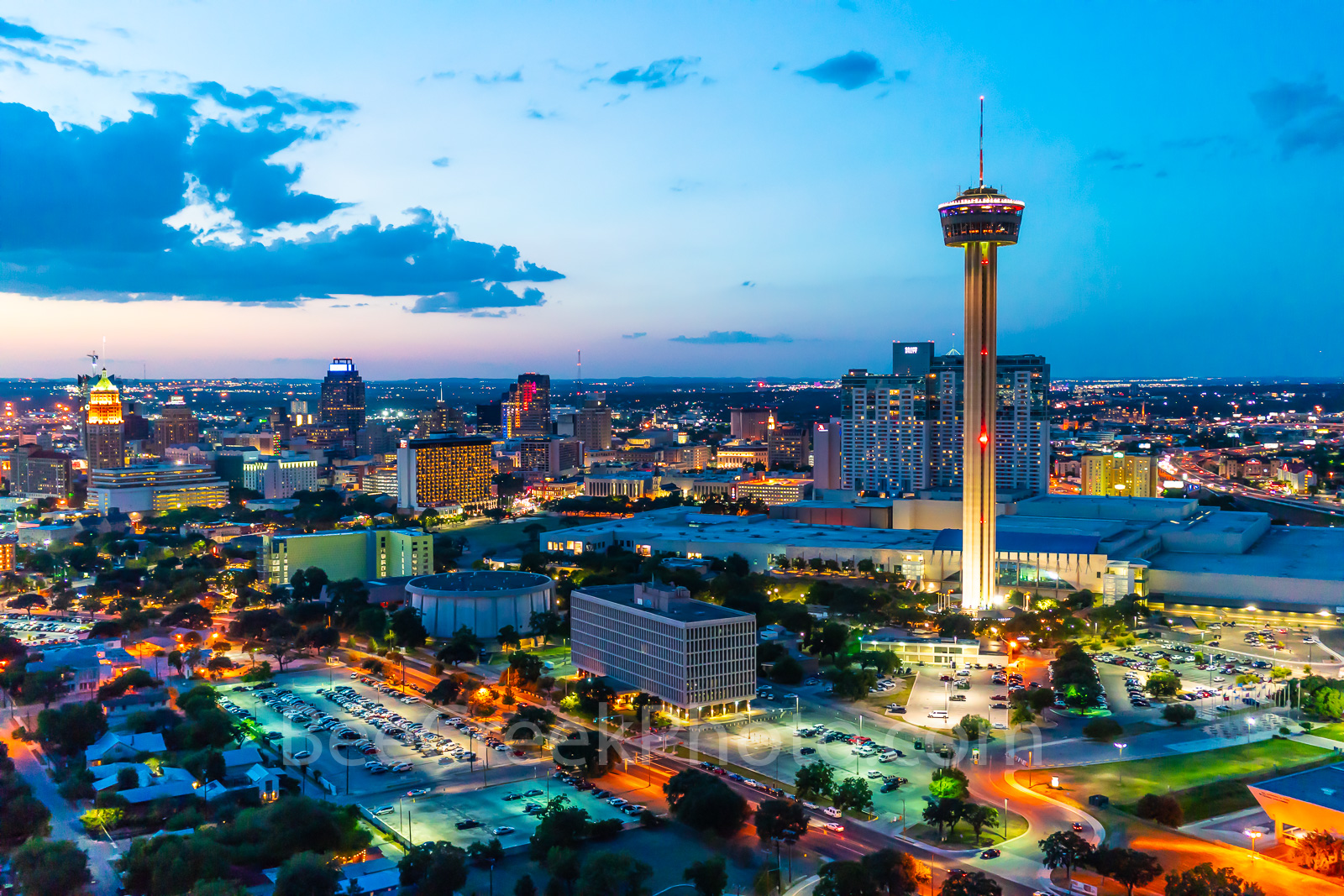
As the sun sets over the Tokyo skyline, casting long shadows across the concrete and glass, the city glitters with millions of lights—a brilliant, fragile web of human life powered by a world that is suddenly forced to decide how far it will go to protect its peace.