There is a specific kind of silence that settles over a capital city when the architecture of a democracy begins to buckle under its own weight. It is not the silence of peace. It is the heavy, suffocating quiet before a storm hits a tin roof.
Walk through the humid, petrol-scented streets of Manila on any given evening, and you can hear the pulse of a nation. It is a soundtrack composed of blaring jeepney horns, the low hum of air conditioning units fighting a losing battle against tropical heat, and the murmur of millions of people trying to put food on the table. For the average vendor selling fish at a crowded wet market or the tired call center worker catching a dawn bus, the news broadcast glowing from a corner television screen feels distant. It is a show played on a distant stage by actors who speak a different language. Don't forget to check out our previous post on this related article.
Until the stage collapses into the audience.
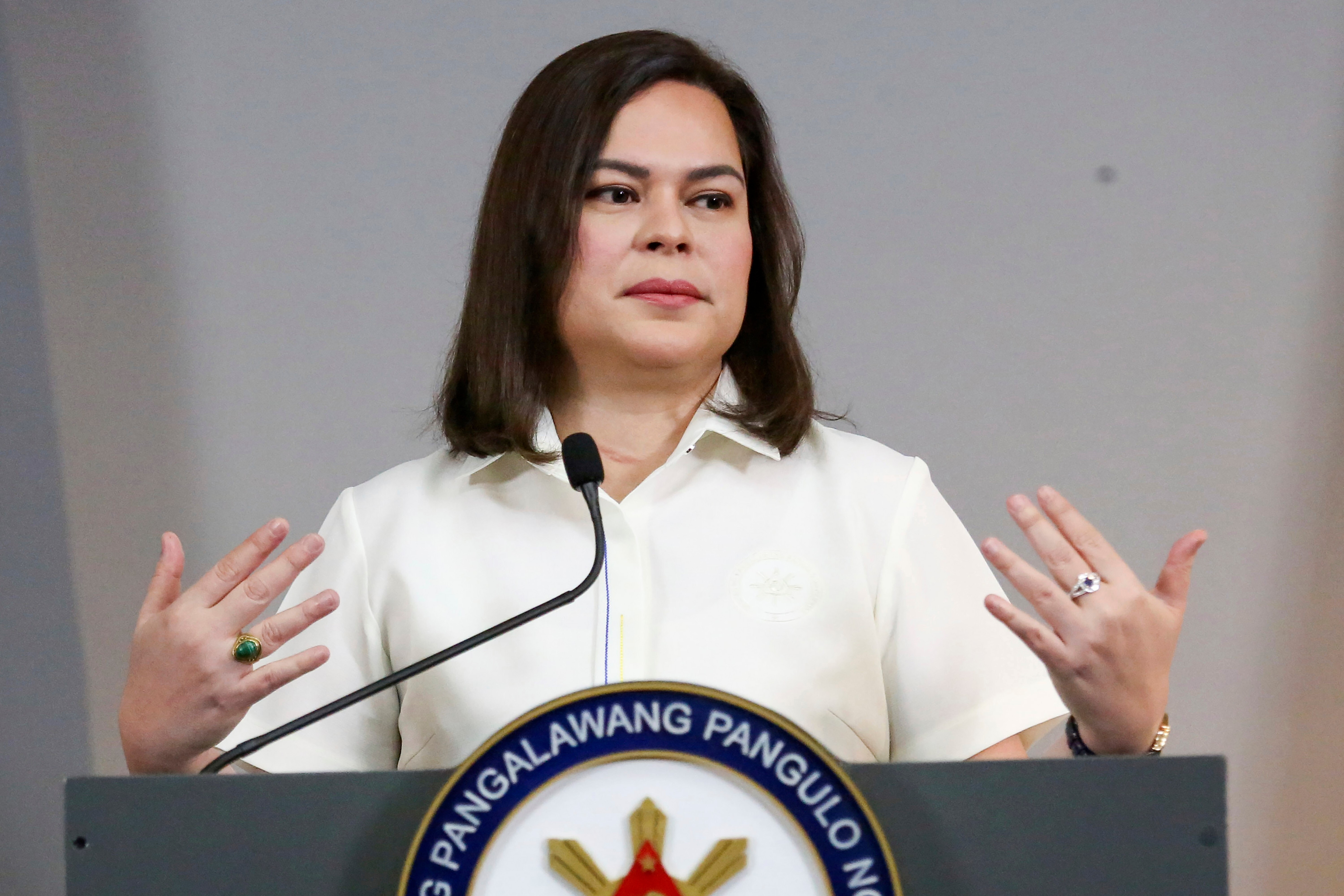
The order has been handed down. An arrest warrant, heavy with political gravity, cuts through the humid air. The Vice President of the Philippines, Sara Duterte, stands accused of making grave threats against the sitting president, Ferdinand Marcos Jr. If you want more about the background here, Al Jazeera offers an excellent summary.
To understand why this moment matters, you have to strip away the dry prose of political reports and look at the raw human mechanics of power. This is not merely a legal proceeding. It is a messy, tragic divorce of convenience.
When the Alliance Shatters
Politics in the Philippines has always been a high-stakes game of dynasties, alliances, and historical ghosts. Just a few short years ago, the unity ticket seemed invincible. The joining of the Duterte name—synonymous with iron-fisted populism and an aggressive war on drugs—and the Marcos name—evoking the complex, heavy legacy of the martial law era—looked like an electoral juggernaut. Millions voted for the promise of strength, stability, and continuity.
Elections are won on addition, but governance is tested on subtraction.
Almost from the moment the ballots were tallied, the fault lines began to fracture. Power cannot easily be shared when two suns occupy the same sky. The rhetoric grew sharper. Budgets became battlegrounds. Policy disagreements hardened into ideological warfare.
By the time the alleged threats were uttered—caught on tape, flashing across smartphones, debated in panicked whispers inside coffee shops—the mask of unity had completely shredded. Words in high-stakes politics are never just words. They are matches thrown into dry brush. When the Vice President allegedly spoke of hiring an assassin if something happened to her, or when the threats escalated into public declarations of mortal danger, the state could no longer look away.
The legal machinery groaned into motion. Courts do not move at the speed of human emotion, but they move with an inevitable, grinding force. An order for arrest is issued. The iron gates of political immunity, once thought impenetrable, suddenly look fragile.
The Human Cost Behind the Headlines
Down on the ground, away from the wood-paneled courtrooms and the guarded compounds of the elite, people watch with a mixture of exhaustion and cynicism.
Imagine Maria, a thirty-four-year-old mother working in a small bakery in Quezon City. She does not care about the minutiae of constitutional law or the technicalities of criminal procedure. What she cares about is the price of rice. She cares about whether her children can finish school without hunger gnawing at their concentration.
When Maria watches the nightly news and sees the nation's two highest leaders locked in a bitter, venomous struggle for survival, she feels a cold dread. She knows from history that when elephants fight, the grass gets trampled. Political instability does not stay confined to the halls of Congress. It bleeds into the economy. It weakens the currency. It distracts the government from floods, typhoons, poverty, and healthcare.
This is the hidden cost of the spectacle. Every headline about arrest warrants and treasonous threats steals oxygen from the real problems facing ordinary citizens. The soap opera in the capital consumes the attention that should be directed toward building infrastructure, lowering inflation, and creating jobs.
The Danger of a Divided House
History teaches us harsh lessons about the fragility of democratic institutions in Southeast Asia. Democracies do not usually die in a single, dramatic explosion with tanks rolling down EDSA. They fray slowly. They die when public trust is systematically dismantled, when institutions are weaponized, and when leaders treat politics as a zero-sum war of annihilation rather than a contest of governance.
The arrest order against Sara Duterte represents a dangerous threshold. It forces the military, the police, and the judiciary into an uncomfortable spotlight. They are sworn to uphold the constitution, not to serve individual families or political factions. When the Vice President faces the threat of detention, the line between justice and political retribution blurs in the public eye.
For the supporters of the Duterte family, particularly in the southern stronghold of Davao, the move is viewed as an act of authoritarian overreach—an attempt by the Marcos administration to decapitate the opposition and cement its own dominance. For the supporters of the President, it is framed as a necessary defense of the rule of law, proof that no one, not even the second-highest official in the land, is above accountability.
Both narratives contain fragments of truth, and both are weaponized to inflame passions.
The Long Shadow Ahead
As the legal battles loom and security forces prepare to enforce or navigate the warrants, the atmosphere grows thicker with tension. The rhetoric on social media is feral. Trolls and partisans churn out digital vitriol, turning every nuance into a battle cry.
Yet, beneath the noise of the digital mob and the posturing of politicians, there remains the quiet resilience of the Filipino people. They have survived natural disasters, economic shocks, and political upheavals before. They possess an instinctive, battle-tested ability to look past the theater of the powerful and focus on survival, community, and family.
The warrant will be served, or it will be contested through endless legal loops. Statements will be issued. Protests will gather and disperse. But the deeper wound will remain.
Power in the Philippines has once again eaten its children, leaving the public to clean up the shattered plates. The palace on the hill stands bright and imposing against the Manila skyline, but inside, the lights are flickering, and the walls are beginning to whisper.