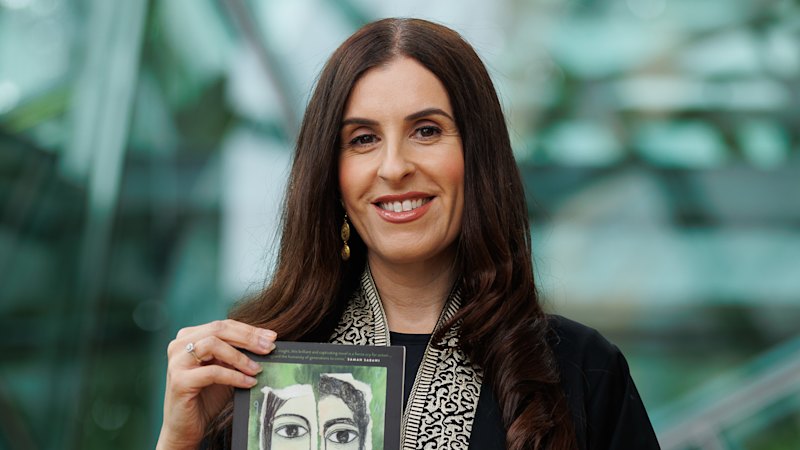
Borders are political flashpoints. When words cross international lines, governments often face immediate pressure to draw a hard line of their own. Right now, British Jewish organizations are pushing the UK Home Secretary to bar entry to Australian author Randa Abdel-Fattah, setting up a fierce collision between free expression, national security, and community protection.
The controversy centers on comments made regarding the October 7 Hamas attacks. Critics, including major communal groups in the UK, argue that public statements celebrating or minimizing mass violence cross the threshold from protected speech into incitement and the promotion of terror. For a community already grappling with surging security threats and rising antisemitism on British streets, welcoming a public figure who used terms like "exhilarating" to describe the atrocities feels like an unacceptable risk.
Where Free Speech Meets Public Safety
Governments rarely find easy answers when deciding who gets a visa. The UK Home Office holds discretionary powers to exclude foreign nationals if their presence is deemed non-conducive to the public good. Past applications of this power usually target preachers of hate, extremist ideologues, or individuals tied directly to organized violence.
Applying this standard to a novelist on a promotional tour complicates the usual playbook. Supporters of the author frame any travel restriction as a dangerous escalation against literary freedom and political dissent. They argue that silencing controversial voices sets a slippery precedent.
On the flip side, community leaders maintain that free speech has boundaries under international and domestic law, especially when it glorifies mass civilian casualties. When public remarks cross into cheering for acts designated as terrorism, authorities face mounting calls to act.
The Broader Pressure on UK Immigration Policy
This debate doesn't happen in a vacuum. Britain's immigration and border controls have faced intense scrutiny over how they handle foreign political figures and commentators whose past statements inflame local tensions.
Public pressure campaigns from groups like Britain's peak Jewish organizations put direct spotlight on the Home Secretary's desk. Officials must weigh diplomatic fallout, legal thresholds for exclusion, and the immediate safety of the local population. If the UK permits entry, community leaders warn of heightened protests and deep alienation. If the government issues a ban, it triggers intense legal and ideological battles over censorship.
Borders define states, but they also expose a society's red lines. Decisions made in Whitehall over cases like this reveal how fragile the balance truly is between keeping the peace and protecting open discourse. Take a close look at how immigration authorities handle discretionary visa denials, because this specific case will likely set a major precedent for future cross-border controversies.