The metal tube is a pressure cooker. Anyone who has spent eight hours trapped in economy class knows this truth. You are wedged into a 17-inch seat, your knees pressed against cheap plastic, breathing recycled air while the low hum of the jet engines vibrates through your teeth. We accept this collective claustrophobia because it is the price of transit. We trust that everyone around us will maintain the unspoken social contract of modern aviation: sit down, stay quiet, and endure.
But sometimes, the contract shatters.
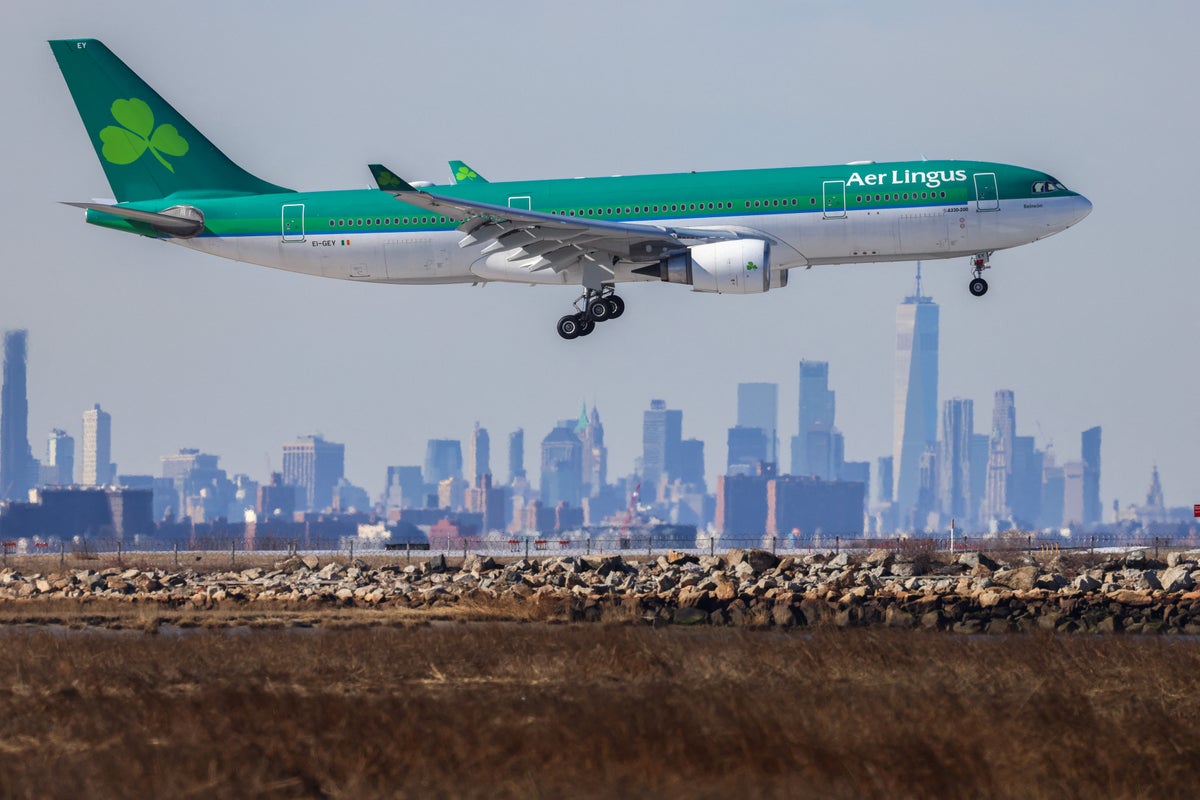
On a recent transatlantic Aer Lingus flight bound from Dublin to Seattle, that fragile peace did not just bend—it snapped completely. What was supposed to be a routine journey across the ocean turned into a claustrophobic horror film. By the time the aircraft descended into the Pacific Northwest, it took the combined muscle of seven grown men just to keep one passenger from ripping the cabin apart.
The Anatomy of Chaos
The federal complaint reads like a clinical post-mortem of a nightmare. James Bradley Noble started transforming the cabin into a theater of volatile aggression hours into the flight. It began with the standard red flags of an unruly passenger—loud complaints, erratic movements, a sudden and sharp escalation in hostility toward the cabin crew.
Flight attendants are trained in de-escalation. They are the frontline philosophers of the sky, navigating minor panics and drunken entitlement with forced smiles and polite deflections. But air rage is a different beast. It is visceral. When Noble’s behavior crossed from disruptive to physically threatening, the veneer of a normal flight dissolved.
Consider the physics of an airplane cabin. The aisles are narrow. The ceilings are low. There is nowhere to run. When a passenger becomes physically violent, they are not just attacking the crew; they are holding every single soul on board hostage to their adrenaline.
As Noble’s aggression peaked, the crew realized standard verbal commands were useless. The situation required physical intervention.
The Seven-Man Leverage
Subduing a grown human who has completely lost control is a harrowing ordeal on solid ground. Inside a swaying aircraft at 30,000 feet, it is nearly impossible.
One flight attendant tried. Then another. Soon, passengers realized that the thin blue uniform of the crew was not enough to guarantee their safety. Everyday travelers—people who had boarded the plane thinking about hotel reservations, business meetings, or coming home to family—had to unbuckle their seatbelts and step into the fray.
It took seven people to push Noble down, to pin his limbs, and to thread the plastic zip-ties around his wrists and ankles. Seven people sweating, straining, and breathing heavily in the narrow aisle while hundreds of other passengers watched in paralyzed silence.
The most chilling detail of the federal complaint is what happened after the initial struggle. Once bound, Noble did not capitulate. He began to violently resist the restraints. He thrashed with such manic, sustained force that the heavy-duty plastic ties—the very tools designed by aviation security to hold non-compliant bodies—began to crack and fail.
Imagine the collective spike of panic in that cabin. You have witnessed a man subdued, you think the danger has passed, and then you hear the plastic groan and tear. The monster is breaking his chains.
The Invisible Toll of the Unruly Sky
We often read these headlines and view them as isolated spectacles, a bizarre piece of viral news to consume and forget. But as someone who has spent years analyzing the shifting culture of travel, I see a deeper, more troubling pattern. The sky is getting meaner.
The Federal Aviation Administration has tracked a staggering rise in unruly passenger incidents over the last few years. We can blame the alcohol served at airport bars, the shrinking legroom, or the lingering societal anxieties that everyone seems to be carrying around like invisible baggage. But the root cause matters less than the immediate human cost.
When an incident like this occurs, the trauma ripples outward. The flight attendants return to work the next day with a knot in their stomachs, wondering if the next passenger who asks for a ginger ale is going to swing at them. The passengers who helped restrain Noble will carry the memory of that raw, airborne terror every time they look at a boarding pass.
The flight eventually landed in Seattle, met immediately by federal agents who dragged Noble off the aircraft in chains. The system worked, technically. The plane landed safely. Nobody died.
But as the passengers filed out into the sterile light of the Seattle terminal, the true cost of the flight was evident on their faces. They had left Dublin as travelers. They landed as survivors of a tiny, localized war waged in the sky.
The next time you board a flight and hear the click of the seatbelt sign, look around the cabin. We are all just a few inches of plastic and a collective promise away from chaos.