When an elite Navy flight demonstration squadron flies too low, too fast, or too close to civilian structures, the official response is almost always a shrug. While a standard fleet aviator faces immediate grounding, a flight evaluation board, and the potential end of a career for minor flight-path deviations, the Blue Angels operate under a different set of rules. The Navy systematically exempts its premier exhibition team from the rigid safety standards applied to ordinary pilots because the squadron is a multi-million dollar recruiting machine that the Pentagon deems too valuable to discipline.
This double standard protects the brand at the expense of aviation safety.
To understand the scale of this immunity, one must look at how the Navy handles routine aviation mishaps. In the standard fleet, safety is treated with religious-like devotion. The Naval Aviation Safety Program enforces a zero-tolerance policy for unauthorized low-altitude maneuvers, airspace violations, or deviations from planned flight profiles.
If an F/A-18 Super Hornet pilot stationed at NAS Oceana or NAS Lemoore decides to buzz a local beach or drop below authorized minimum altitudes during a training run, the consequences are swift. The pilot is stripped of flight status. An aviation mishap board is convened. The command conducts a thorough investigation that leaves a permanent mark on the aviator's military record, effectively killing any chance of promotion.
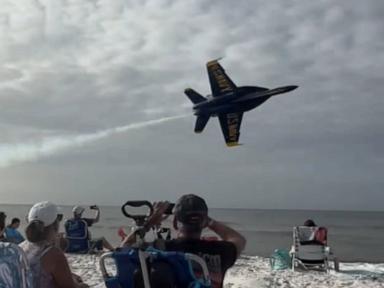
Yet, when the Blue Angels execute a flyover that triggers noise complaints, rattles windows, and violates standard civilian airspace protocols, the outcome is entirely different. Navy officials routinely dismiss these incidents as minor operational adjustments. They claim everything went according to plan. No one is reprimanded. No one is fired.
The Economics of Impunity
The Blue Angels do not exist just to showcase precision flight. They are a massive public relations and recruiting apparatus.
Every year, the team performs before millions of spectators across the country. In an era where the military faces its most severe recruiting crisis in decades, these airshows are the primary tool used to capture the imagination of potential enlistees. The Navy spends tens of millions of dollars annually to keep the blue-and-gold jets flying.
Because of this massive financial and strategic investment, the Navy cannot afford the bad press of a grounded team or a disciplined commander. Admitting that the squadron violated safety rules would damage the public image of flawless precision that the military spent decades building.
When a high-profile flyover goes wrong, the immediate instinct of the Navy hierarchy is to shield the unit. High-ranking officials quickly issue statements downplaying the event. They assure the public that safety was never compromised, even when video evidence suggests otherwise. The brass protects the brand because the brand represents the primary pipeline for future sailors.
This creates a dangerous culture of exceptionalism. When pilots are told, both explicitly and implicitly, that they are too important to fail, their perception of risk changes.
The Illusion of Perfect Safety
Naval aviation has always walked a fine line between calculated risk and reckless bravado. The Blue Angels push this boundary further than anyone else, flying maneuvers where the margin of error is measured in inches.
At those speeds and distances, a single mistake is catastrophic.
The justification for allowing the team to operate outside normal fleet boundaries is that they are the best of the best. They undergo rigorous training. They hand-pick only the most experienced aviators. But this narrative of perfection ignores the reality of human factors in aviation.
History shows that even the most elite pilots make fatal errors when pressurized by a culture that values the show over the rules. In 2007, a Blue Angels pilot was killed during an airshow in South Carolina after losing situational awareness during a high-speed turn. In 2016, another fatal crash occurred during a practice flight in Tennessee.
These tragic events are treated as isolated incidents rather than symptoms of a systemic issue. The Navy performs its investigations behind closed doors. They release highly sanitized reports. They make minor tweaks to training regimens but leave the fundamental structure of the team untouched.
Ordinary fleet squadrons use a system of hazard reports to flag unsafe conditions before they lead to accidents. These reports are designed to be non-punitive, encouraging pilots to speak up when they spot dangerous trends. But within the Blue Angels, the pressure to perform is immense. Reporting a safety concern that could cancel a major show is culturally discouraged. The show must go on, and the pilots know it.
How the Chain of Command Looks the Other Way
The hands-off approach to Blue Angels discipline goes all the way to the top of the naval hierarchy. Normal squadrons answer to a rigorous chain of command that includes wing commanders, type commanders, and regional admirals who are highly sensitive to safety metrics.
The Blue Angels answer to a different master.
Their operational chain of command is highly compressed, and their direct reporting lines often bypass the standard bureaucratic oversight that keeps other units in check. The Chief of Naval Air Training oversees the team, but the political pressure from the Pentagon to keep the team flying is immense. No regional commander wants to be the one who grounded the Blue Angels and canceled a major metropolitan airshow.
This political shield creates a system where civilian complaints are routinely ignored. When citizens complain about low-flying jets shaking their homes outside of approved flight paths, the Navy's public affairs team issues boilerplate statements about training requirements and community outreach.
The double standard is glaring.
- Fleet pilots face career-ending investigations for minor flight path deviations.
- Blue Angels pilots receive public defense from high-ranking officials for similar actions.
- The Navy prioritizes recruiting metrics over consistent enforcement of its own safety regulations.
This disparity does not go unnoticed by the rest of the fleet. Active-duty naval aviators often express frustration privately about the lack of accountability for the elite team. They see a system that punishes the working-class pilots of the Navy for honest mistakes while granting blanket immunity to the public-relations stars for deliberate boundary-pushing.
The Mirage of Reform
Every few years, a particularly egregious incident forces the Navy to pretend it is taking action. A commanding officer is quietly reassigned, or a flight maneuver is slightly modified.
These changes are cosmetic.
The underlying incentives remain exactly the same. The Navy needs the recruiting numbers. The public wants the spectacle. The pilots want the prestige. As long as those three factors align, the rules that govern the rest of naval aviation will never apply to the blue-and-gold jets.
True accountability would mean treating a Blue Angels safety violation with the same gravity as a fleet mishap. It would require independent safety audits, public disclosure of flight-path deviations, and a willingness to cancel shows when safety margins are breached.
The Navy has shown no interest in taking those steps. They prefer the easier path of issuing dismissive statements, assuring the public that everything is fine, and protecting the multi-million dollar recruiting machine at all costs.
The next time a Blue Angels jet flies dangerously low over a crowded city, remember that the silence from the Navy is not a sign of safety. It is the sound of a system protecting its most valuable asset.