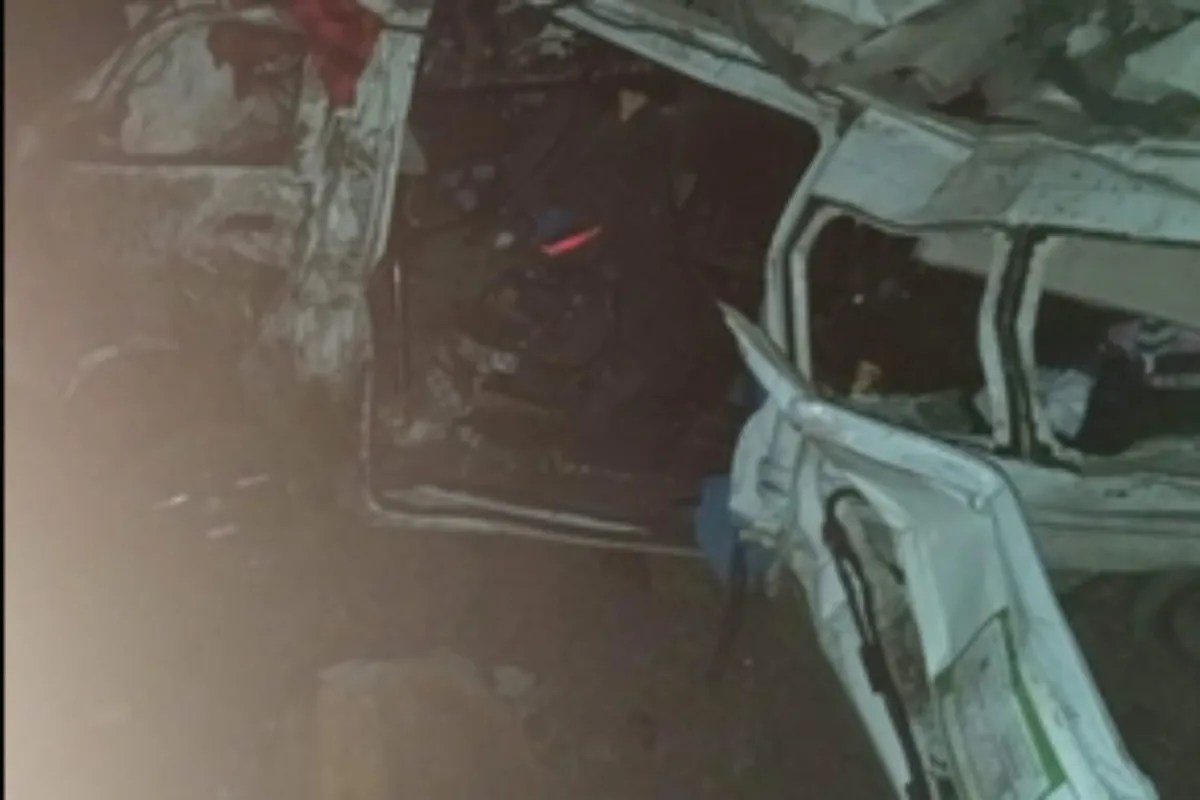
Seventeen lives evaporated on a stretch of asphalt known locally as Mlima Kiu. Most of them were pilgrims heading toward a sacred site, packed inside a fourteen-seater minibus that suddenly became a steel coffin. A heavy truck, attempting a reckless overtaking maneuver in the dead of night along the Nairobi-Mombasa highway, clipped another lorry, lost control, and plowed directly into oncoming traffic. By sunrise, morgues in Makueni County were overwhelmed, families were shattered, and national leaders were typing out familiar statements of deep sorrow.
Then the news cycle moved on.
This is the grim rhythm of transport safety in East Africa. Every few weeks, a high-casualty smash-up jolts the public consciousness, officials decry driver recklessness, and the National Transport and Safety Authority promises stricter enforcement. Yet the body counts keep climbing. Official statistics show thousands of fatalities annually on Kenyan corridors. Underneath these figures lies an institutional failure that goes far beyond a single negligent truck driver or a poorly timed overtaking attempt.
The Anatomy of a Black Spot
Mlima Kiu in the Salama area is not an invisible hazard. It is a known black spot. Engineers, police commanders, and transport regulators can point to it on a map with pinpoint accuracy. That predictability is the most damning indictment of all.
When a stretch of highway consistently swallows human lives through head-on collisions and chain-reaction pileups, it stops being an accident-prone zone and becomes a structural failure of civil design. The Nairobi-Mombasa corridor handles an immense volume of heavy commercial freight moving inland from the port coupled with high-speed passenger vehicles. Mixing massive multi-ton freight haulers with overloaded commuter minibuses on narrow, two-lane undivided highways without physical median barriers is a standing invitation to catastrophe.
When a commercial truck driver pushes past twenty hours behind the wheel due to economic desperation or tight delivery windows, fatigue compromises reaction times instantly. A momentary lapse in judgment on an unlit highway transforms a routine delivery run into a kinetic disaster. Blaming the driver alone ignores the systemic economic pressures and infrastructure deficits that set the trap before the vehicle even leaves the depot.
The Oversight Vacuum
Enforcement in Kenya often resembles theater rather than deterrence. Checkpoints exist, but corruption frequently turns them into toll stations where compliance can be bought for a modest bribe. Overloaded trucks bypass scales through backchannels, defective commercial vehicles secure inspection stickers without ever seeing a mechanic, and public service vehicles routinely stretch seating capacities beyond legal safety limits.
Institutions like the National Transport and Safety Authority are perpetually under-resourced relative to the scale of the crisis. They react with investigations after bodies are pulled from mangled metal, but proactive policing of long-haul logistics corridors remains dismal. Without automated speed enforcement, mandatory rest-stop infrastructure for freight drivers, and severe penalties for corporate owners who force exhausted crews onto the road, regulatory bodies remain toothless observers of ongoing carnage.
Moving Past Reactive Mourning
Real safety reform requires capital expenditure and political willpower that transcends election cycles. Dual carriageways with concrete physical barriers drastically reduce head-on collisions, as proven on other dangerous regional routes like the Nakuru highway stretch. Freight transport companies must face strict electronic logging mandates to curb dangerous driving hours.
Until the state treats highway safety with the same urgency as national security, these corridors will continue to demand a heavy toll of innocent blood. Condolence messages offer temporary comfort to grieving families, but they do nothing to fix the broken tarmac where the next tragedy is already waiting to happen.