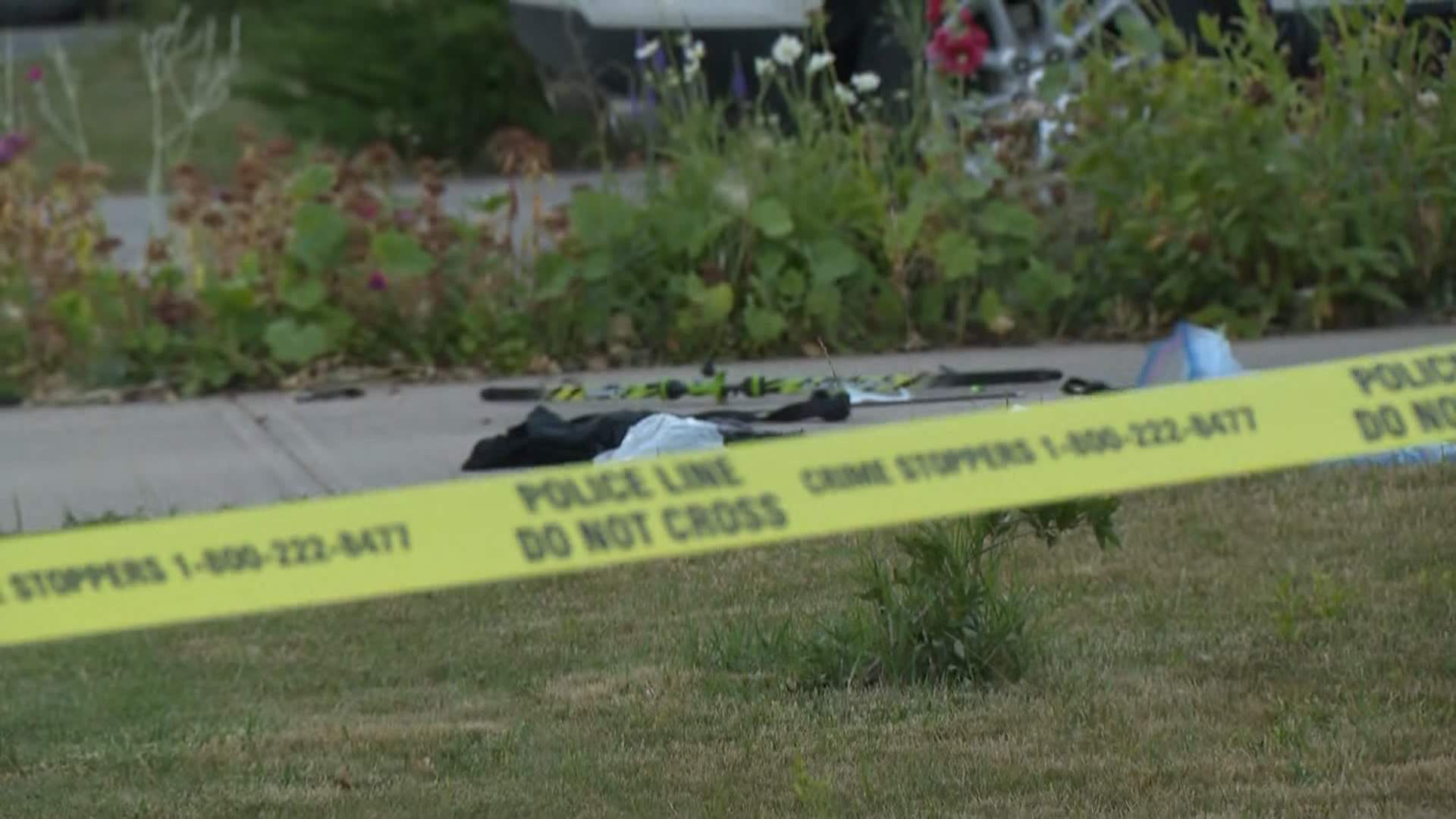
Another headline breaks about the Alberta Serious Incident Response Team probing a Calgary police shooting. Predictably, the public square fills with the usual theater. Outraged citizens demand instant accountability, defensive institutional apologists preach patience, and media outlets treat every oversight update like a season finale cliffhanger.
Everyone is arguing about the wrong thing.
The lazy consensus in modern discourse assumes that independent civilian-led oversight agencies like ASIRT are either omnipotent arbiters of justice or toothless paper tigers designed to shield badges. Both premises are garbage. Focusing entirely on whether an oversight body validates or condemns a specific use of force ignores the structural rot underneath. We are treating chronic societal system failures with administrative Band-Aids and expecting a different outcome.
The Oversight Illusion
Let us define terms honestly. ASIRT operates under the Police Review Commission framework, tasked with investigating serious incidents, deaths, and allegations of criminal behavior by law enforcement. When a shooting happens—such as the recent high-stakes encounter in southwest Calgary where a barricaded individual advanced on officers with a compound weapon—the machinery kicks into motion. Investigators gather forensic evidence, map trajectories, and review tactical audio.
Months later, a report drops. People comb through the text looking for vindication. If charges are recommended, activists cheer. If no charges are laid, protesters scream corruption.
This binary reaction loop is a distraction. Oversight agencies do not prevent bullets from leaving barrels. They conduct post-mortem bureaucratic autopsies. Relying on an investigative team to solve police violence is like relying on a coroner to stop heart disease. They only arrive after the flatline.
The Physics of Split-Second Decisions
Imagine a scenario where an individual breaches release conditions, arms themselves with a lethal projectile weapon, and forces a confrontation in the dead of night. Critics sitting behind computer screens love to play armchair tactician, asking why officers did not simply de-escalate indefinitely or magically neutralize the threat without a scratch.
Real-world human biology crushes these tidy fantasies. Under acute adrenaline surges, cognitive tunneling narrows vision, motor skills degrade, and reaction times measured in milliseconds dictate survival. When someone advances with a bow and arrow or a firearm, the constitutional mandate of the officer is self-preservation and the protection of the public.
To pretend that a better oversight committee will rewrite human neurological stress responses is pure delusion. Officers make split-second calculations under horrific conditions. Expecting ASIRT's retrospective review to alter how a terrified cop perceives a lethal threat in a dark Calgary driveway is absurd.
The Upstream Failure We Ignore
Instead of obsessing over whether ASIRT takes six months or sixteen months to issue a finding, look at why the police were at that door in the first place.
Look at the frequent flyer cycle of the justice system. In many of these critical incidents, the individuals involved are struggling with severe mental health crises, substance addiction, or active failures of community support structures. They cycle through courts, breach conditions, and wind up isolated in crisis points at two in the morning.
Dump millions of dollars into retrospective police oversight while gutting social safety nets, mental health infrastructure, and early intervention programs, and you get a permanent war zone disguised as a suburb. The police become the default trash collectors of societal neglect. When you task armed patrol units with managing untreated psychiatric emergencies and chronic systemic abandonment, violent confrontations are not an anomaly. They are a mathematical certainty.
Stop Fighting Yesterday’s War
The debate over independent civilian oversight is a solved problem in theory, yet we keep treating it like an open wound. Yes, independent investigations are mandatory for public trust. No one is arguing for self-policing internal affairs units from the dark ages. But treating ASIRT reports as instruments of cultural salvation is lazy.
If we genuinely want to reduce officer-involved shootings in Calgary and across Alberta, we have to stop treating the aftermath as the main event. Redefine the search intent. Stop asking whether the oversight team was tough enough on the shooter, and start asking why our civic institutions abandoned the individual long before they ever picked up a weapon.
Until we fix the upstream pipeline of human misery, every future ASIRT report is just another expensive exercise in documenting tragedies we chose not to prevent.