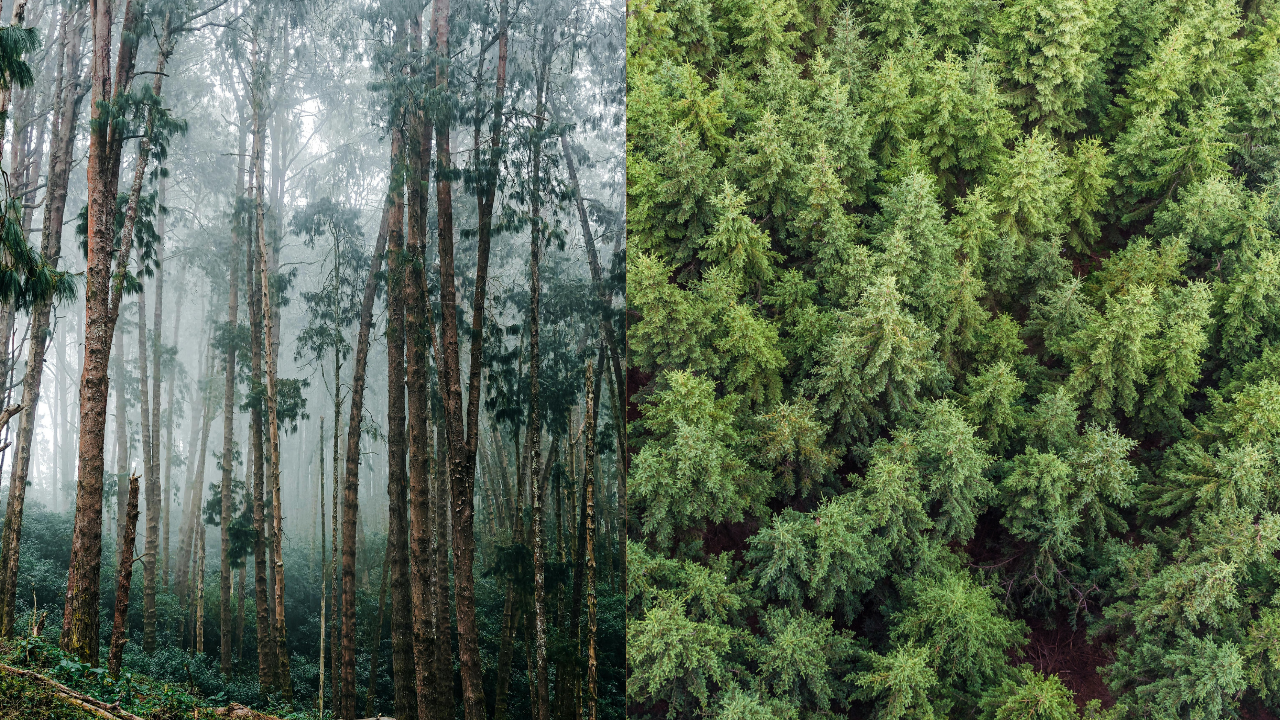
Environmental journalism loves a simple villain. Plant trees, dry up rivers, ruin the pristine plains. It is a clean, digestible narrative that makes for great headlines. For years, critics have pointed to the eucalyptus and pine plantations swallowing Uruguay's traditional grasslands, waving long-term watershed studies like a smoking gun. The data shows a stark drop in streamflow, sometimes plunging by thirty to fifty percent after afforestation. Case closed, right?
Wrong.
This lazy consensus stops at the tree line. It mistakes a symptom of macro-scale land mismanagement for an inherent botanical evil. Trees do consume more water than shallow-rooted grasses. That is basic plant physiology, not a dark corporate conspiracy. But treating afforestation as a unilateral theft of water ignores how soil physics, spatial configuration, and catchment mechanics actually operate. We are crying over lower river levels while entirely missing the structural failure of how rural land is zoned, drained, and exploited across South America's pampa biome.
Look at the mechanics. When you replace a cattle-grazed pasture with a high-density industrial forest, you change the sponge. Grasslands have compacted topsoils driven by decades of heavy trampling from livestock, creating rapid, high-volume surface runoff during heavy downpours. That water flashes off the land instantly, causing erosion, muddying local creeks, and leaving the deeper soil bone dry during droughts because it never had time to infiltrate.
When you establish a forest, root systems fracture that compacted hardpan. Infiltration rates skyrocket. Water moves down into the soil profile rather than racing across the surface into local streams. Yes, the trees drink deeply from that sub-surface reservoir through high rates of evapotranspiration. But framing this solely as a loss ignores the sub-surface recharge equation. The water isn't vanishing into thin air; a massive share of it is moving through deeper geological pathways, stabilizing soil integrity, and preventing the catastrophic topsoil loss that conventional agriculture leaves in its wake.
I have watched agricultural lobbies and ideological purists blow millions on single-variable scapegoating while ignoring the broader hydrological footprint of regional commodity farming. If you want to talk about draining watersheds, look at unregulated irrigation for row crops. Look at pasture management that leaves soil dead and impermeable. Trees are taking the blame because they are tall, visible, and foreign-owned, making them an easy target for populist anger.
Let us define the terms accurately. Afforestation is not a magic hydrological tap you turn on and off. It is an industrial crop rotation that takes a decade to mature. The mistake critics make is evaluating a multi-year tree cycle against short-term climatic shocks like the severe droughts that periodically cripple the Rio de la Plata basin. Conflating a multi-decade evapotranspiration curve with a sudden lack of drinking water is bad science.
Imagine a scenario where every commercial pine and eucalyptus plot in Tacuarembó and Río Negro was bulldozed tomorrow and returned to traditional cattle pasture. You would see an immediate, temporary spike in surface streamflow. You would also see a massive acceleration in soil erosion, a spike in nutrient runoff, and the return of unchecked agricultural silt choking the waterways. The rivers wouldn't be healthier; they would just be muddier, flashier, and infinitely more vulnerable to chemical contamination from surrounding agrochemicals.
The real issue is not that Uruguay planted trees on grasslands. The issue is unmitigated monoculture scale and poor landscape placement. Planting dense timber right up to the edge of fragile riparian zones without spatial buffers is a planning failure, not a botanical curse. When companies plant block-after-block of high-demand conifers across entire headwaters without leaving strategic grassland corridors, they break the local water balance.
Blaming the tree species itself is like blaming a sponge for soaking up a spill instead of looking at who poured the liquid. Eucalyptus and pine are hyper-efficient biological engines. They convert carbon and water into high-value timber with ruthless efficiency. If a nation wants a massive forestry sector—generating billions in pulp exports and rural employment—it has to accept that catchments change. You cannot harvest industrial volumes of wood without a biological cost.
The contrarian truth is that the anti-afforestation crowd wants the economic benefits of a global timber powerhouse without conceding the physical reality of what trees do. They want zero impact from high-yield crops while demanding endless land preservation.
Stop trying to fix the water crisis by waging a moral crusade against pine needles. The path forward demands sophisticated zoning laws, mandatory mosaic planting patterns that alternate grass corridors with timber blocks, and strict riparian buffers that keep heavy-drinking species away from sensitive streams.
Stop fighting the biology. Manage the geography.