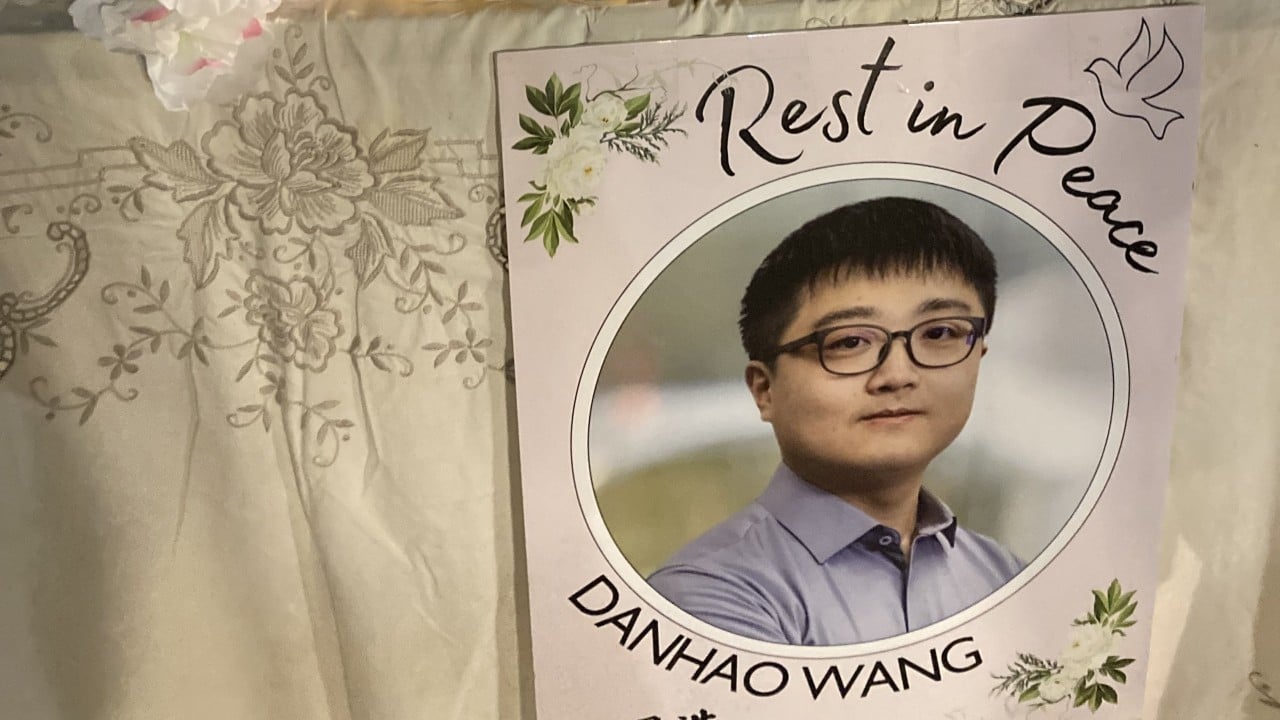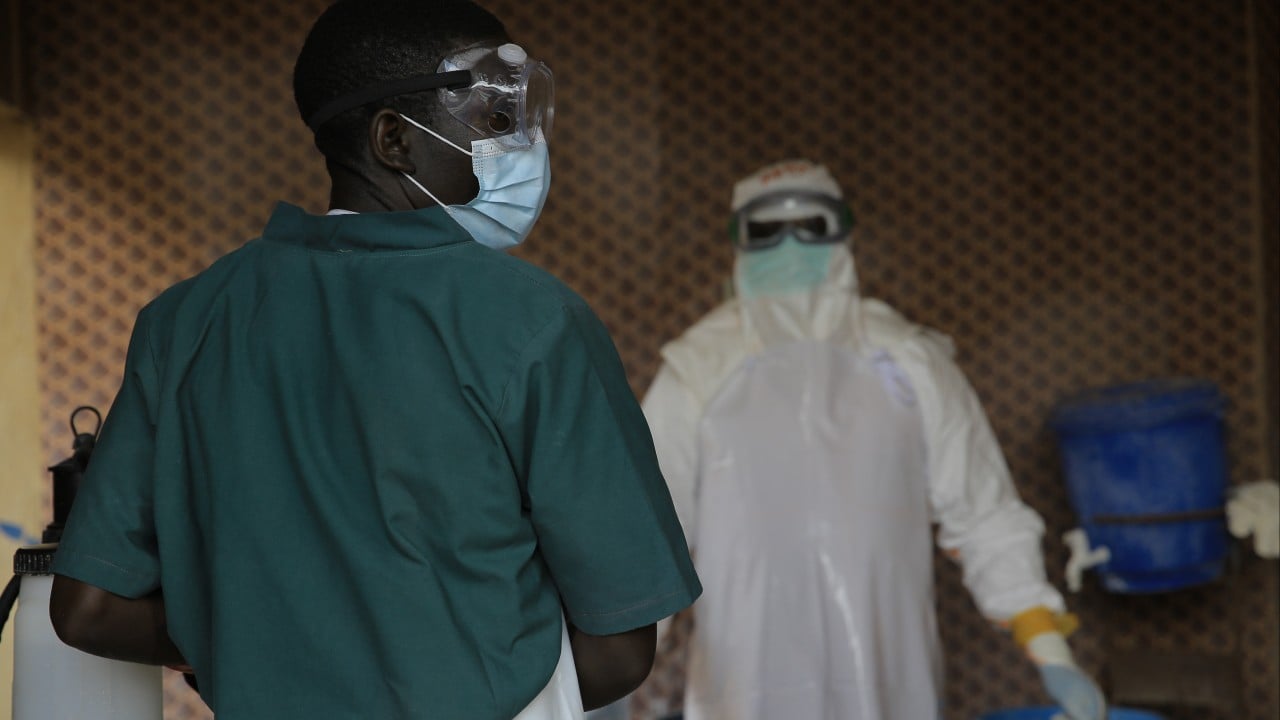
The standard narrative surrounding the tragic death of a Congolese politician during an Ebola awareness campaign treats the event as an isolated political assassination driven by local fear.
That explanation is lazy.
It lets public health infrastructure off the hook by reducing a systemic structural collapse into a simplistic morality play about superstitious villagers versus modern medicine. When a message about a lethal pathogen results in fatal violence, the failure extends far beyond local panic. It exposes a profound breakdown in how institutional authority communicates risk in high-tension zones.
The Flawed Premise of Top Down Public Health Messaging
For decades, international health bodies and centralized governments have operated on a paternalistic broadcast model. They drop into fragile regions with prepackaged directives, translate them into local dialects, and expect compliance.
This approach ignores the fundamental architecture of trust in post conflict or politically volatile areas.
When a politician or health worker delivers an urgent medical warning, they do not arrive as a neutral vessel of scientific fact. They carry the historical baggage of the state, past economic exploitation, and competing local power dynamics. Treating community resistance as mere ignorance rather than a rational calculation of distrust is a fatal operational error.
People do not reject life saving information because they hate science. They reject it because the messenger represents a system that has consistently failed to provide security, economic stability, or basic dignity long before an epidemic arrived.
Anatomy of a Communication Breakdown
Examine what happens when top down edicts collide with community reality.
In many rural or marginalized zones, central governments are viewed with deep skepticism. When an elite figure steps onto a radio broadcast to mandate behavioral changes, local populations often interpret the intervention through a political lens. Is this disease real, or is it a mechanism of social control? Is the international aid funding actually helping the community, or is it enriching regional power brokers?
By ignoring these underlying currents, institutional responses create fertile ground for conspiracy theories.
When authorities rely on enforcement, curfews, or heavy handed security forces to back up health campaigns, they validate the worst fears of the populace. They transform a medical crisis into a political struggle. The tragedy on the radio in Congo was not just a random act of violence against a well meaning official. It was the catastrophic collision of an tone deaf public health apparatus with a community that felt entirely unrepresented and unprotected.
Redefining the Strategy for Epidemic Control
If the global health community wants to prevent future casualties among public health advocates, the playbook must change entirely.
Stop leading with institutional mandates. Start with localized, peer led dialogue that acknowledges historical grievances.
- Decouple health from state power. When medical interventions are enforced by armed police or tied to political figures, healthcare becomes politicized. Public health messaging must be delivered by trusted community anchors, traditional healers, and grassroots organizers who have skin in the game.
- Address economic insecurity first. Fear of disease is frequently compounded by fear of economic ruin. Quarantines mean starvation for daily wage earners. Until health authorities address the immediate survival needs of isolated populations, resistance will persist.
- Listen before broadcasting. The one way communication model is dead. Feedback loops must be institutionalized so that local pushback, skepticism, and alternative theories are integrated into the response strategy rather than suppressed or dismissed.
The comfortable consensus is that education solves ignorance. The brutal reality is that communication without trust is just noise, and in high stakes environments, noise can be lethal. Until health strategists respect the political economy of fear, public health campaigns will continue to write checks written in blood.