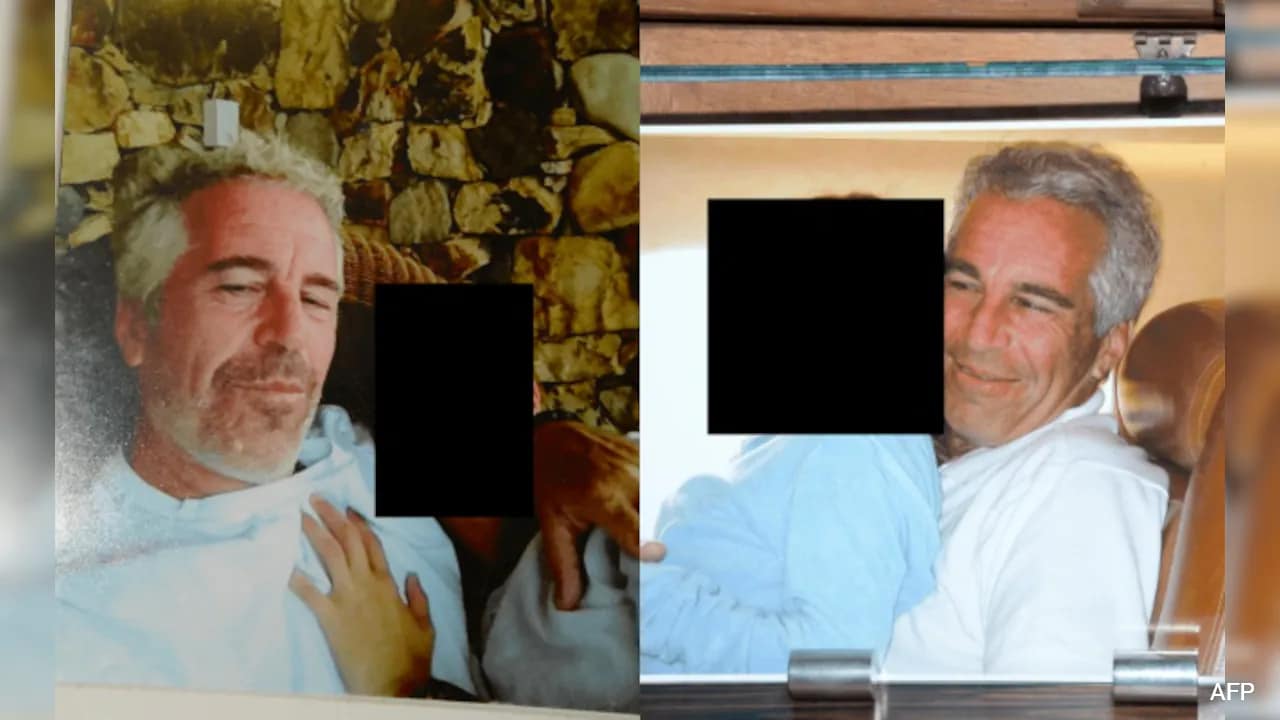
Every time a legacy institution gets dragged into the Jeffrey Epstein orbit, the media playbook is predictable. The public gets treated to a predictable cycle of performative shock, hand-wringing over bad actors, and breathless reporting about institutional oversights. The recent wave of reports detailing horrific sexual abuse claims at an Epstein-linked academy follows this exact template.
The lazy consensus says this is a story of a few rogue predators exploiting a prestigious institution's blind spots. It is a comfortable narrative. It lets board members sleep at night. It lets alumni pretend their diplomas aren't tied to systemic rot.
It is also entirely wrong.
I have spent decades watching elite institutions manage risk, reputation, and liability behind closed doors. When you pull back the curtain on places designed to incubate the children of the global elite, you realize the abuse scandals are not an aberration in the system. They are a feature of a system built entirely on extreme power asymmetries and institutional insulation.
The Myth of the Bad Apple
Look at how the mainstream coverage frames the Epstein-linked school scandal. Headlines scream about toxic cultures, missed red flags, and administrative failures. These reports treat the perpetrators as anomalies—glitches in an otherwise noble educational matrix.
That view requires a staggering amount of willful blindness.
Elite institutions do not fail because they miss red flags. They fail because their entire governance structure incentivizes looking the other way when powerful, monied, or socially connected individuals hold the keys to endowments and board seats. When access becomes the highest currency, accountability plummets toward zero.
Jeffrey Epstein did not infiltrate these spaces by accident. He weaponized them. He understood that institutions catering to the ultra-wealthy are inherently defensive. Their primary reflex when faced with predatory behavior is not protection of the vulnerable, but protection of the brand.
To call this a failure of oversight is to misunderstand the job description of elite administration. Their job is to keep the cash flowing and the scandals quiet. When a predator operates within these walls, the silence is rarely accidental. It is engineered.
The Architecture of Impunity
Let us define what an elite academy actually is in the modern economy. It is a high-priced sorting mechanism. It promises access, pedigree, and immunity.
When you concentrate massive wealth, unchecked prestige, and zero external oversight into a single campus, you create a laboratory for impunity. The students are often isolated from the consequences of the real world, while the staff operate under the shadow of a donor class that can crush careers with a single phone call to a headmaster.
The conventional narrative focuses on background checks, reporting hotlines, and sensitivity training. This is administrative window dressing. It is a way to look proactive while changing nothing structural.
Imagine a scenario where an elite board of trustees is forced to choose between losing a multimillion-dollar donor with deep ties to questionable social circles and launching an aggressive internal audit into predatory behavior. History shows us exactly what happens. The audit gets watered down. The donor gets discretion. The victim gets pushed out or silenced with a non-disclosure agreement.
Until we stop treating these schools as sacred halls of learning and start treating them as high-stakes corporate entities protecting toxic assets, nothing will change.
Dismantling the Compliance Theater
If you want to know why compliance programs fail in these environments, look at who pays the compliance officers.
In corporate governance, true independence requires structural separation between the auditor and the audited. Yet in elite educational and philanthropic networks, boards are self-perpetuating clubs. They are filled with friends of friends, business associates, and people who owe their positions to the very social network Epstein operated within.
When independent investigators are finally brought in after a scandal breaks, their mandate is carefully managed. They are hired to find "lapses," not systemic corruption. They isolate the damage to a few dead or departed individuals, allowing the institution to issue a solemn apology, revamp a PR department, and move on to the next fundraising gala.
This is not reform. It is laundering reputation.
The media eats it up because corporate apologies make for easy, digestible news cycles. But every time we accept a school's statement that they have "tightened their protocols," we are buying a placebo.
The Uncomfortable Truth About Access
The elephant in the room that no mainstream outlet wants to address is the nature of the elite network itself. Epstein was not an anomaly because he was connected; he was an anomaly only because he got caught and exposed in a way that couldn't be easily swept under the rug.
The social architecture that allowed him to move fluidly between high finance, academia, and elite preparatory schools is the exact same architecture these institutions sell to prospective parents. They sell proximity to power. They sell entry into a club where rules are bendable for those at the top.
You cannot decouple the predatory behavior from the culture of unearned privilege. When young people are taught that the elite live by a different set of rules, and when administrators are trained to view powerful patrons as untouchable, abuse becomes an inevitable byproduct of the power dynamic.
Fixing this requires more than firing a headmaster or rewriting a code of conduct. It requires dismantling the culture of extreme deference that defines elite spaces. It requires public transparency that strips away tax-exempt secrecy and opens governance to genuine external oversight.
Until regulators and prosecutors stop treating these institutions with kid gloves just because their alumni run governments and central banks, the cycle will repeat. The names will change, the schools will issue new PR statements, and the vulnerable will continue to pay the price for institutional cowardice.
Stop buying the narrative of the rogue actor. The machine is working exactly as it was designed to work.