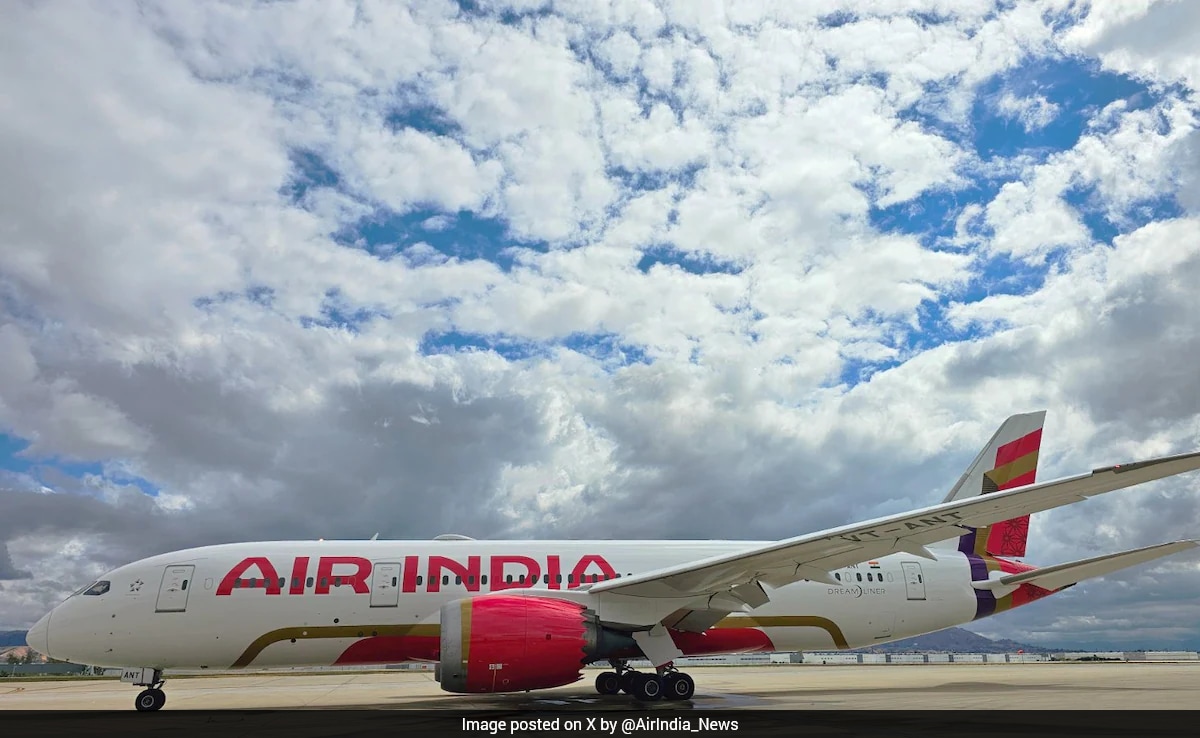
Every time a headline screams about a pilot failing a breathalyzer test before a long-haul push, the public gets precisely what it craves. A villain. A simple, cartoonish failure of personal responsibility. Air India grounds a captain in Zurich, the internet erupts into collective moral outrage, and everyone sleeps soundly believing the skies are safe because the bad man was caught.
It is a comforting illusion. And it is entirely bullshit.
Focusing on the individual intoxication of a single flight deck crew member is the aviation industry’s favorite smoke-and-mirror trick. It draws all the oxygen out of the room so nobody has to look at the systemic, structural rot that actually drives people to self-medicate in the cockpit. I have spent years analyzing operational safety protocols inside major carriers, and I have seen executives blow millions on PR crisis management while ignoring the sleep deprivation and scheduling matrices driving their crews to the brink.
Let us look past the sensationalism of the Zurich incident and dismantle the lazy consensus.
The Myth of the Bad Apple
The default media narrative treats substance abuse in aviation as a moral failing of an aberrant rogue. This assumes the hiring and vetting filters failed, or that an otherwise pristine system was corrupted by a weak individual.
That is not how human biology or corporate psychology works.
When a pilot shows up to an international rotation with alcohol in their system, you are not looking at a rogue actor operating in a vacuum. You are looking at the terminal symptom of an exhausted, over-leveraged workforce operating under brutal scheduling pressure. Aviation fatigue is not a mild inconvenience. It is a chronic, cognitive impairment that mirrors severe intoxication. If you stripped away the breathalyzer tests and instead tested pilots for cumulative wakefulness and circadian disruption, half the long-haul fleets in the world would fail before pushback.
We demonize the pilot who drinks because it lets the airline off the hook. If the problem is a rogue drinker, you just fire the pilot, issue a stern press release about zero-tolerance policies, and go back to business as usual.
If the problem is a broken operational environment that breaks human beings, you have to redesign the entire commercial aviation economic model. Guess which option the board room prefers?
The Economics of Exhaustion
Let us talk about the math that nobody in corporate communications wants to publish. Modern network airlines run on razor-thin margins, squeezing aircraft utilization to the absolute maximum. Planes only make money when they are in the air. Crews only make money when they are flying legs.
This creates a perverse incentive structure where minimum rest regulations are treated as performance targets rather than safety boundaries.
When a carrier routes a crew across multiple time zones, shoves them into sub-par layover hotels, and stacks back-to-back ultra-long-haul sectors, they are engineering cognitive degradation. The human body does not adapt to a six-hour time shift in thirty-six hours just because an operations manual says it should. Circadian lows hit like a freight train at 4 AM local time.
When an individual turns to alcohol in these conditions, they are rarely chasing a party. They are chasing artificial sedation. They are trying to force a fried nervous system into five hours of unconsciousness so they can pass a medical check the next morning. It is a desperate, maladaptive coping mechanism for an impossible job.
Does this excuse putting hundreds of lives at risk? Absolutely not. Accountability must remain absolute. But pretending that firing one captain solves the systemic engine driving that behavior is institutional malpractice.
What People Get Wrong About Pre-Flight Screening
A common knee-jerk reaction from armchair safety experts is to demand harsher, more frequent random testing. More breathalyzers. Biometric locks. Surveillance cameras in crew lounges.
This misses the point with dangerous precision.
You cannot audit your way out of a mental health and fatigue crisis. When surveillance increases without a corresponding relief in operational pressure, workers simply adapt by finding harder-to-detect ways to cope. They switch substances with shorter elimination half-lives, they hide their struggles deeper, and they develop an adversarial relationship with the very safety protocols meant to protect them.
Real safety culture does not rely on catching people at the gate. Real safety culture builds an environment where a pilot can raise their hand and say, "I am exhausted, my cognitive faculties are compromised, and I cannot fly this leg safely," without facing career annihilation, financial ruin, or public shaming.
Right now, calling in unfit due to fatigue or stress is often a fast track to management scrutiny and roster punishment. Until airlines decouple reporting impairment from professional destruction, crews will continue to roll the dice rather than stand down.
The Uncomfortable Truth About Our Skies
So what is the actual takeaway from the latest headline out of Zurich?
It is a reminder that the system is holding together by sheer muscle memory and caffeine. The safety record of commercial aviation remains statistically remarkable, but we achieve it in spite of punishing crew management practices, not because of enlightened corporate care.
If you want truly safe skies, stop getting distracted by the individual scandals that make for easy clickbait. Demand structural transparency on crew rest metrics. Push regulators to penalize turnaround times that treat human pilots like replaceable hydraulic pumps.
The next time an airline announces a zero-tolerance crackdown on crew substance violations, look at their scheduling logs. Check their reserve pilot ratios. Look at how many extensions they force on their long-haul rosters.
Until those numbers change, every passenger boarding a wide-body jet is banking on the superhuman endurance of people the system is actively wearing down to the bone.