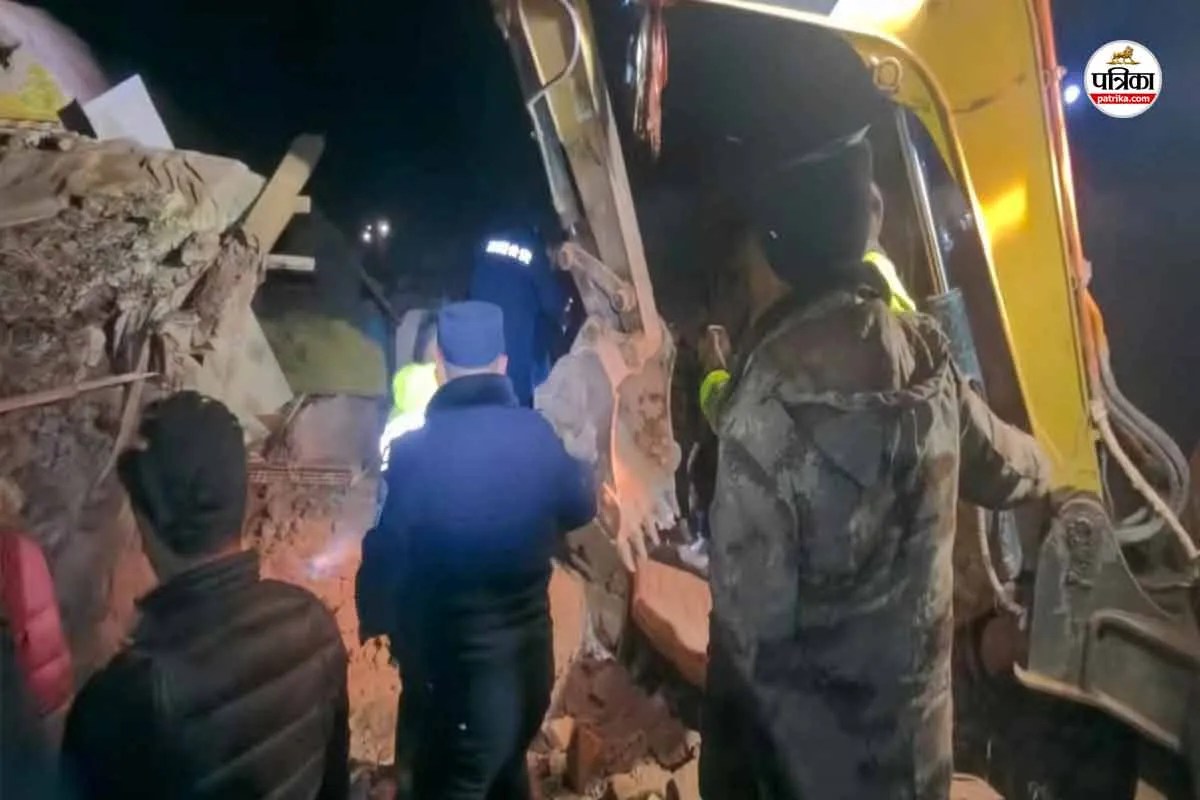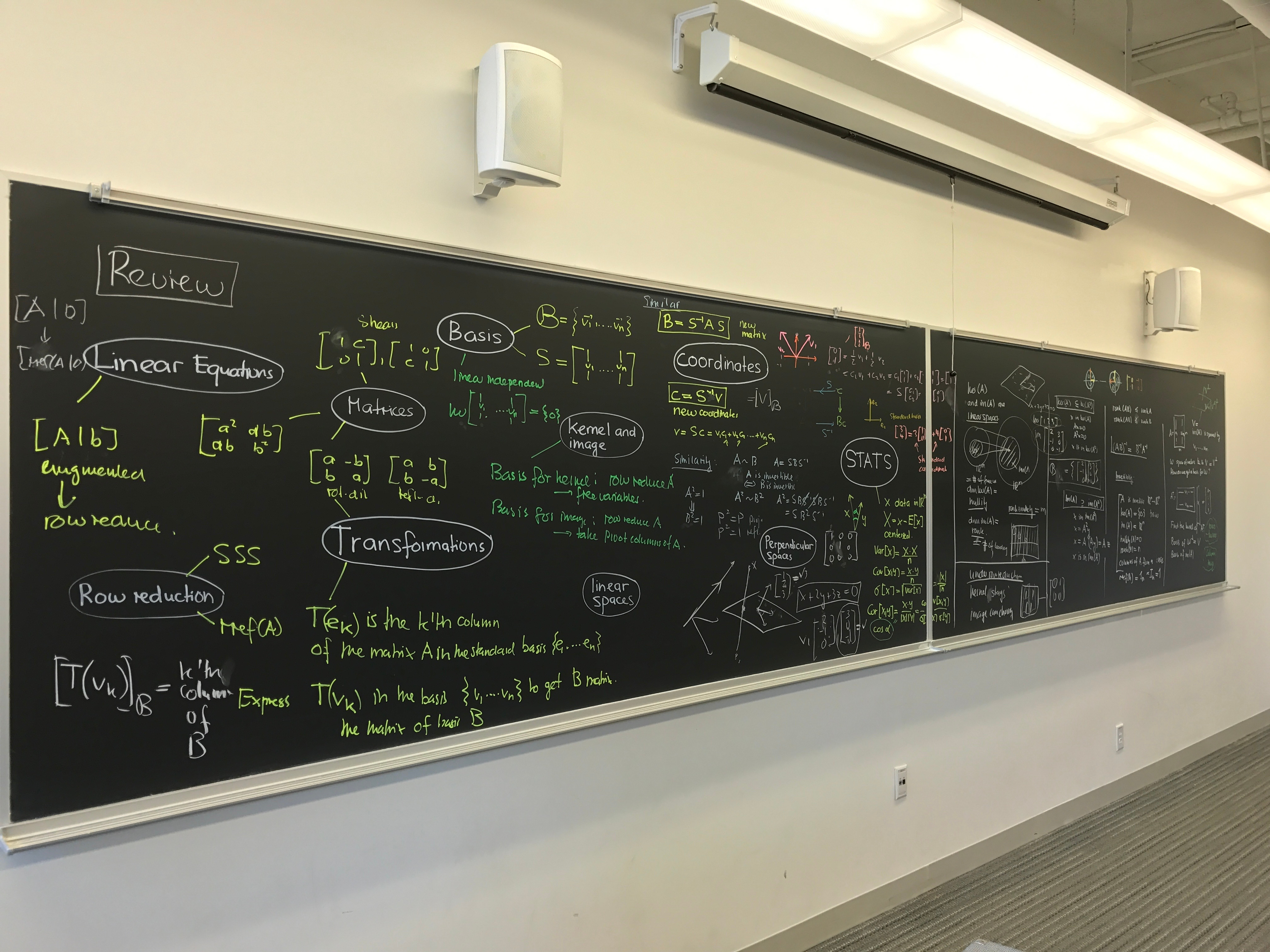
Chalk dust settles differently when the roof above is missing. It drifts down like grey snow, settling into the split seams of wooden desks that have outlived two generations of students. In Bannu, the morning air carries a distinct chill—not just from the mountain winds sweeping down through Khyber Pakhtunkhwa, but from the hollow echo of classrooms where the infrastructure has simply given up.
Walk down any road here, and you will notice the quiet mathematics of neglect. It is written in the rusted iron gates that drag across dirt yards, and in the window frames stripped of glass, left wide open to the biting winter drafts and the stinging summer dust. Education here is not merely a path to a better future; it is an act of quiet defiance against gravity itself.
The numbers tell a staggering story, though numbers rarely capture the sound of a slate roof groaning under a heavy monsoon downpour. Officials estimate a staggering shortfall of 4.5 billion rupees needed just to patch the wounds across local schools. That is not money earmarked for luxury labs or velvet-trimmed auditoriums. That sum represents basic human dignity: dry ceilings, functioning latrines, boundary walls that offer safety, and floors made of concrete instead of packed earth.
Consider a hypothetical classroom, though every teacher in the district will tell you it happens every day. Twelve-year-old Tariq sits in the third row. The roof above him leaks in three distinct places whenever the rain comes. When the sky clears, the midday sun beats down through missing tiles, turning the room into an oven. Tariq does not complain. He balances his exercise book on his knee because the desk wobbles too violently on the uneven stone floor to write straight. His teacher, an aging man with ink-stained fingers, spends the first twenty minutes of every period sweeping away debris blown in from the unpaved courtyard.
This is the hidden cost of educational decay. When a school building crumbles, it sends a silent message to the children inside. It tells them that their time, their intellect, and their community are secondary concerns. Yet, they keep coming. Attendance remains remarkably high because parents here know a fundamental truth: knowledge is the only inheritance that cannot be washed away by a flood or stolen by circumstance.
The crisis in Bannu did not happen overnight. It is the accumulated weight of decades of underinvestment, compounded by regional pressures and population growth that outpaced municipal budgets long ago. Schools that were built to house two hundred students now shoulder double or triple that load, shifting into overcrowded double shifts where teachers race against the fading evening light to finish lessons.
To understand the scale of the problem, we must strip away the administrative jargon. A deficit of 4.5 billion rupees translates directly into overfilled rooms where thirty children share a single bench meant for two. It means science laboratories where the equipment consists of outdated charts taped to peeling plaster. It means libraries with empty shelves where dampness has claimed the few dog-eared textbooks donated years ago.
Yet, amidst the structural failure, resilience persists. Local communities often step in when municipal funds stall. Shopkeepers pool small donations to buy bags of cement for a collapsing wall. Parents take turns repairing broken doors. It is a makeshift, heroic effort to hold the roof up with bare hands. But volunteerism cannot bridge a multi-billion-rupee chasm. Structural problems require systemic solutions.
The path forward demands a fundamental shift in priorities. Fixing the schools in Bannu is not merely a line item in a provincial ledger; it is an urgent investment in human stability. When children learn in spaces that respect their potential, the entire social fabric strengthens.
The sun dips low behind the western ridges, casting long shadows across the schoolyard in Bannu. The children pack their worn satchels and step out through the broken gate, walking home beneath a sky turning the color of bruised plum. Tomorrow, they will return. The cracks in the walls will still be there. The chalk dust will drift. And somewhere in the back row, a child will open a notebook, ready to write a different future against all odds.