Federal agents recently cracked open a ordinary-looking shipping box bound for Hong Kong, expecting to find plastic animal toys as declared on the manifest. Instead, they discovered live, native North American turtles crammed into tightly taped tube socks, hidden deep inside the parcel.
It wasn't an isolated incident. In recent court filings, Chinese nationals have entered guilty pleas in U.S. federal courts for orchestrating multi-million-dollar wildlife trafficking operations. They're taking native American species right out of forest streams and shipping them across the globe to fuel an insatiable overseas pet demand.
If you think wildlife trafficking is just an overseas problem involving rhino horns or elephant ivory, think again. The black market for North American reptiles is booming right here at home.
The Cruel Mechanics of the Illegal Reptile Trade
Smugglers don't care about animal welfare. They care about profit margins.
When federal authorities intercepted shipments linked to smugglers like Wei Qiang Lin, they found hundreds of Eastern box turtles and three-toed box turtles shoved inside socks. Why socks? It keeps the animals' legs bound so they can't scratch against the cardboard walls of the box. Noise brings unwanted attention at postal hubs.
The logistics behind these operations are surprisingly methodical:
- Poachers or domestic suppliers collect reptiles illegally from forests, marshes, and suburban backyards.
- Middlemen—often foreign nationals living in the U.S. on temporary visas—receive the animals and repackage them.
- Packages get falsely labeled as items like "plastic toys," "almonds," or "chocolate cookies".
- Express air freight services unknowingly ship the live animals across the Pacific.
Animals spend days—sometimes weeks—without light, food, or water. Many don't survive the trip. But because a single vibrant Eastern box turtle can fetch anywhere from $1,000 to over $4,000 in overseas markets, criminal syndicates treat the dead ones as acceptable loss.
Why Overseas Collectors Target American Turtles
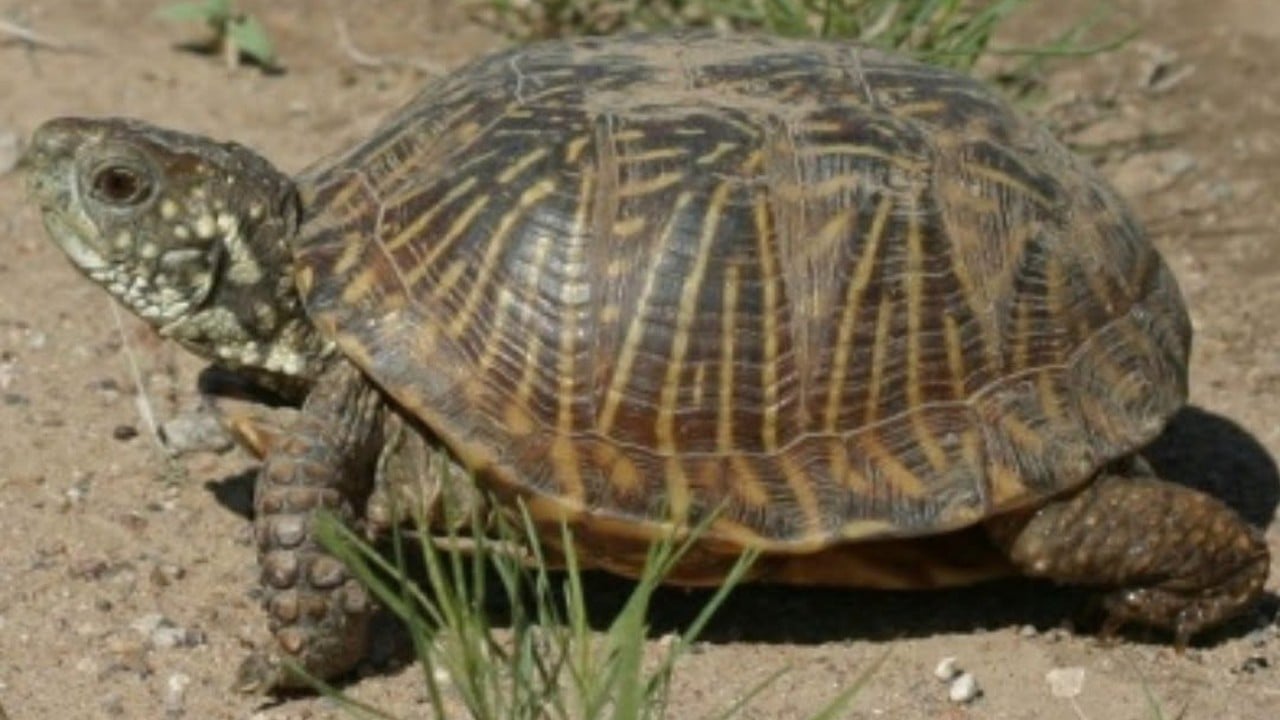
Native species like the Eastern box turtle (Terrapene carolina carolina), wood turtles, and spotted turtles feature striking, colorful shell patterns. In Asian markets—particularly in China and Hong Kong—these unique colors make them status symbols among exotic pet collectors.
There's also a cultural element. In traditional Chinese culture, turtles symbolize longevity, strength, and wealth. While captive-bred reptiles exist, wild-caught American turtles are considered far more desirable because of their vivid, natural coloration and larger size.
The numbers are staggering. In a single operation coordinated under federal initiatives like "Operation Terrapene," authorities uncovered networks responsible for shipping thousands of turtles worth millions of dollars on the black market.
How Wildlife Trafficking Harms Local Ecosystems
Turtles aren't like rodents or rabbits. They don't reproduce quickly.
A female Eastern box turtle can take up to ten years to reach sexual maturity. Even then, she might only lay a few eggs a year, and predators eat the vast majority of hatchlings. It takes decades for a wild population to stay stable.
When poachers strip a forest patch of adult box turtles, that local population essentially collapses. The remaining juveniles can't reproduce fast enough to keep the colony alive. Once they're taken out of the wild, the local ecosystem loses a critical seed disperser and scavenger.
Worse yet, recovered turtles can rarely be released back into the wild.
Once a turtle gets stuffed into a box with animals from other locations, it's exposed to pathogens and diseases. Releasing a poached turtle back into its natural habitat risks introducing deadly viruses to existing wild populations. Most intercepted turtles end up living out their lives in zoos or educational sanctuaries instead of returning home.
The Federal Law Enforcement Crackdown
U.S. law enforcement isn't turning a blind eye. The U.S. Fish and Wildlife Service (USFWS), alongside Customs and Border Protection and Homeland Security Investigations, has stepped up international inspections.
Prosecutors rely heavily on two major legal tools:
- The Lacey Act: A federal law making it a crime to import, export, sell, acquire, or purchase wildlife taken in violation of U.S. or state law.
- CITES (Convention on International Trade in Endangered Species): An international agreement that protects imperiled plants and animals from unauthorized trade.
Federal courts are issuing real prison sentences to send a clear message. Extradition is also on the table. In high-profile cases, the U.S. Department of Justice has successfully extradited foreign ringleaders who financed smuggling rings from abroad without ever setting foot on U.S. soil.
Money laundering charges are increasingly tacked onto wildlife trafficking indictments, allowing authorities to seize assets, bank accounts, and property tied to illegal trades.
Spotting and Stopping Illegal Poaching
Stopping illegal wildlife trafficking requires eyes on the ground. Poachers often target public parks, state forests, and nature preserves during warm, humid spring and summer months when turtles cross roads and search for nesting spots.
If you spend time outdoors, keep an eye out for these red flags:
- People carrying heavy pillowcases, canvas sacks, or large plastic storage bins deep in nature preserves.
- Individuals wandering off-trail carrying long sticks or hooks to probe mud and thick brush.
- Unattended, unmarked traps set in small streams or wetlands.
- Online forum posts or social media marketplace listings offering wild-caught native reptiles in bulk.
If you suspect illegal poaching in your area, don't confront the individuals directly. Take note of location coordinates, vehicle license plates, and descriptions, then report the activity immediately to your state's wildlife agency or the U.S. Fish and Wildlife Service tip line. Protecting native wildlife requires holding black-market syndicates accountable before local species disappear entirely.


