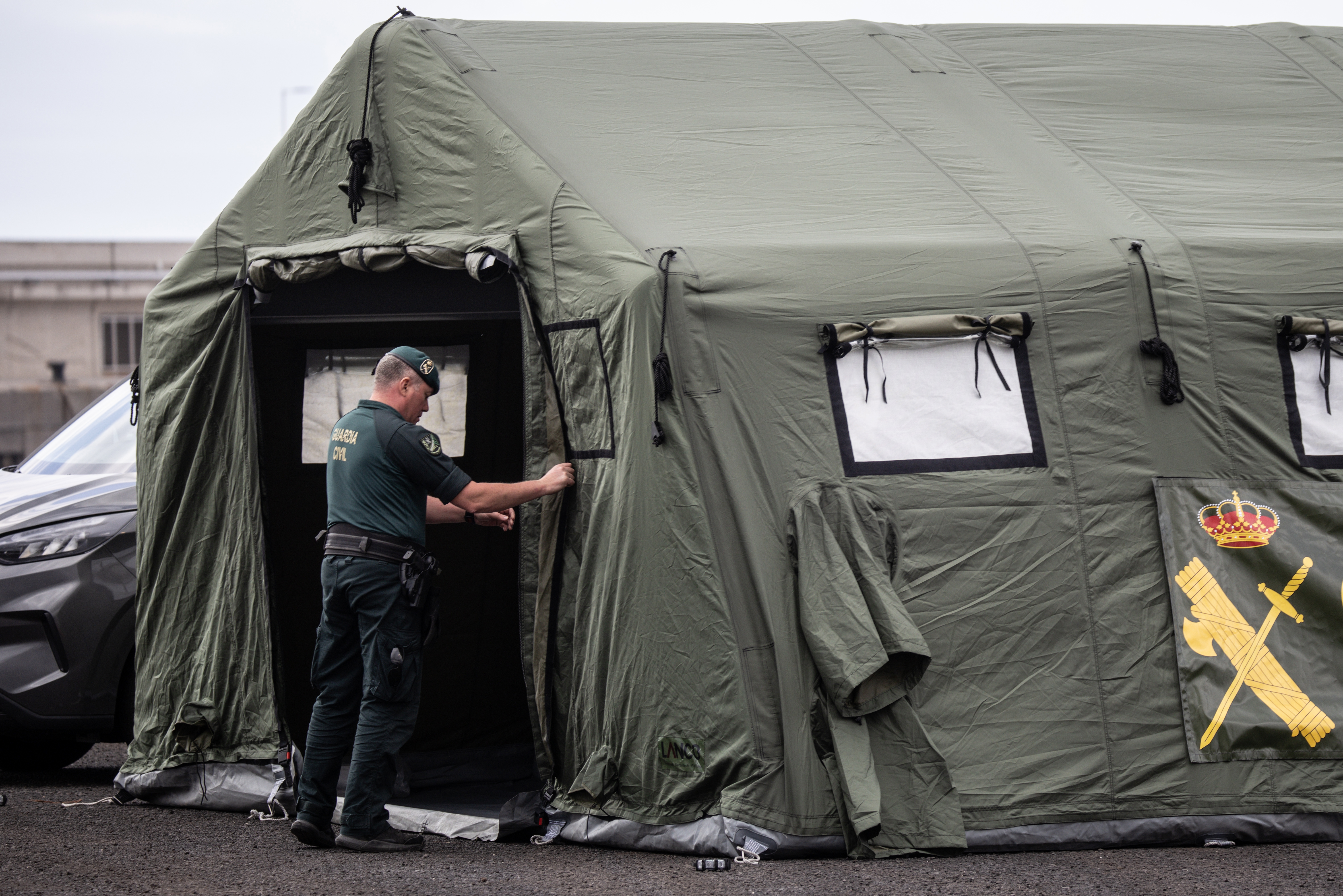
The maritime industry is currently facing a logistical nightmare that standard emergency drills never anticipated. When a suspected outbreak of hantavirus—a pathogen typically associated with rodent droppings rather than luxury buffets—targets a cruise ship, the resulting evacuation plan is less of a strategic maneuver and more of a desperate scramble. Current protocols for extracting thousands of passengers from a contaminated vessel remain dangerously underdeveloped. While cruise lines claim readiness, the reality on the water reveals a massive gap between public relations and biological reality.
Hantavirus is not a typical cruise ship illness. Unlike norovirus, which involves localized containment and rigorous cleaning, hantavirus represents a severe respiratory threat with a significantly higher mortality rate. Transporting infected individuals off a ship requires pressurized isolation pods and specialized medical airlift capabilities that most private fleets simply do not possess. The current plan relies almost entirely on the intervention of national coast guards and military assets, shifting the financial and operational burden of corporate negligence onto the public sector.
The Rodent Variable in Luxury Transit
Cruise ships are floating cities, and like any city, they have pests. The assumption that a five-star rating keeps a vessel free of vermin is a dangerous myth that the industry prefers not to discuss. Hantavirus is primarily spread through the aerosolization of dried urine and droppings from infected rodents. In the tight, recycled-air environment of a ship’s lower decks and ventilation shafts, the spread is not just possible; it is efficient.
Investigations into recent "sanitary pauses" in the industry show a pattern of deferred maintenance in food storage and waste management areas. These are the engine rooms of infection. When a ship enters a port where local rodent populations carry the virus, the risk of a breach increases. Once the virus enters the ventilation system, the entire ship becomes a pressurized petri dish.
The primary failure in current evacuation plans is the lack of "hot zone" transitions. You cannot simply walk a suspected hantavirus patient through a crowded terminal. The logistics of moving a patient from a cabin on Deck 10 to a specialized ambulance on a pier requires a level of containment that most port authorities are not equipped to provide.
The Jurisdictional Black Hole
Who owns the problem when a ship sits in international waters? This is the question that stalls every evacuation. International maritime law is clear on the duty to render aid, but it is silent on the specific biological requirements of a viral extraction.
Most cruise ships fly flags of convenience in countries like the Bahamas or Panama. These nations have neither the medical infrastructure nor the specialized aircraft required to handle a hantavirus event. This forces a diplomatic standoff. The ship’s owners want to dock at the nearest high-capacity port, usually in the United States or Europe. However, those local governments are increasingly hesitant to allow a biological "Trojan Horse" into their harbors without a pre-vetted, airtight isolation strategy.
- The Ship’s Responsibility: Providing immediate stabilization and notifying coastal authorities.
- The Port’s Dilemma: Balancing the humanitarian need to help with the risk of local transmission.
- The Federal Reality: Deployment of specialized "Strike Teams" that are often hours or days away from the vessel’s location.
The delay caused by this jurisdictional bickering is where the body count rises. Hantavirus Pulmonary Syndrome progresses rapidly. A twelve-hour delay while lawyers argue over docking rights can be the difference between a recovery and a fatality.
The Myth of the Onboard Medical Center
Cruise lines often tout their "state-of-the-art" medical facilities. These are impressive for treating a broken ankle or a heart attack, but they are woefully inadequate for a hantavirus outbreak. A standard shipboard infirmary lacks the Negative Pressure Rooms necessary to prevent the virus from circulating back into the general ship atmosphere.
Medical staff on these ships are typically generalists. They are not virologists or bio-containment specialists. In a crisis, these doctors and nurses are the first to be exposed, effectively neutralizing the ship’s only line of defense within the first forty-eight hours of an outbreak. The "plan" then shifts to total cabin isolation. This is a polite term for a maritime prison. Passengers are confined to small rooms, breathing the same air that may be carrying the pathogen, while they wait for a rescue that is tethered to a slow-moving bureaucratic process.
The Financial Fallout of a Biological Breach
Insurance companies are the silent architects of these evacuation plans. Every maneuver is dictated by the limits of liability. A full-scale military-grade extraction of a ship can cost millions of dollars. Cruise lines are constantly negotiating to see how much of that cost they can offload.
We see this in the fine print of passenger contracts. Most travelers do not realize they have signed away their right to a "timely" evacuation in the event of a public health emergency. The cruise line’s only obligation is to provide "reasonable care," a term so broad it can be used to justify keeping infected passengers at sea for weeks.
The industry is currently lobbying for "Bio-Safety Corridors" in major ports—dedicated piers where infected ships can dock without interacting with the general public. While this sounds like a solution, it is a band-aid on a systemic wound. Building these facilities is expensive, and neither the cruise lines nor the taxpayers want to foot the bill.
Technical Hurdles in Aerial Extraction
Airlifting a patient with a respiratory virus is not as simple as lowering a basket from a helicopter. The rotor wash from a heavy-lift aircraft can actually spread contaminated dust and particles, potentially infecting the flight crew or spreading the virus across the deck of the ship.
Specialized "Patient Isolation Units" (PIUs) are required. These are essentially portable plastic tents with their own filtration systems. They are heavy, cumbersome, and difficult to move through the narrow, winding corridors of a cruise ship.
- Deployment: PIUs must be flown to the ship, often via a secondary vessel.
- Stabilization: The patient must be sealed inside while in their cabin.
- Extraction: The unit must be winched to a deck clear of obstructions.
- Transport: Only specific types of aircraft can carry these units while maintaining the necessary internal environmental controls.
There are currently fewer than fifty of these specialized units available for civilian use globally. If an outbreak affected more than a handful of people, the plan would fall apart instantly. The math simply does not work.
The Communication Breakdown
During a crisis, information is the first thing to be quarantined. Cruise lines have a history of downplaying health risks to prevent a panic that could lead to a stampede or a lawsuit. This "wait and see" approach is catastrophic for hantavirus.
Early symptoms—fever, muscle aches, and fatigue—are easily mistaken for common flu or exhaustion. By the time a passenger develops the signature fluid in the lungs, they are already in critical condition. Because the evacuation plans are so complex and expensive, the trigger to initiate them is often pulled too late. The hesitation to declare an emergency is a death sentence in a biohazard scenario.
The Regulatory Gap in Waste Management
To understand the hantavirus risk, one must look at how cruise ships handle waste. The sheer volume of trash generated by 4,000 people is staggering. While modern ships have sophisticated incinerators, the storage of waste before processing is where the rodent problem begins.
International regulations focus on what goes into the water, but there is very little oversight regarding the "internal ecology" of the ship. There are no mandatory rodent-DNA sweeps or air-quality tests for viral markers. The industry operates on a system of self-reporting, which is a clear conflict of interest. A ship that reports a rodent infestation faces massive fines and a PR disaster, so the incentive is to hide the problem until it becomes a medical emergency.
The current evacuation plans for a hantavirus event are built on a foundation of "best-case scenarios." They assume a small number of infections, perfect weather, and immediate cooperation from foreign governments. In the real world, none of these factors are guaranteed. The maritime industry is playing a high-stakes game of chance with biological pathogens, and the passengers are the ones holding the losing hand. Until there is a mandatory, internationally funded fleet of bio-containment vessels and a clear, legally binding extraction protocol, any "plan" revealed by a cruise line is nothing more than a comfort measure for the shareholders.
True safety on the high seas requires more than just lifeboats; it requires an admission that our current medical infrastructure stops at the shoreline. The bridge between the ship and the hospital is currently made of paper-thin excuses and legal loopholes.
Fix the waste protocols. Mandate negative pressure zones on all new builds. Standardize the international response so that a ship in distress is treated as a medical priority rather than a pariah. Anything less is just waiting for the next tragedy to drop the anchor.

