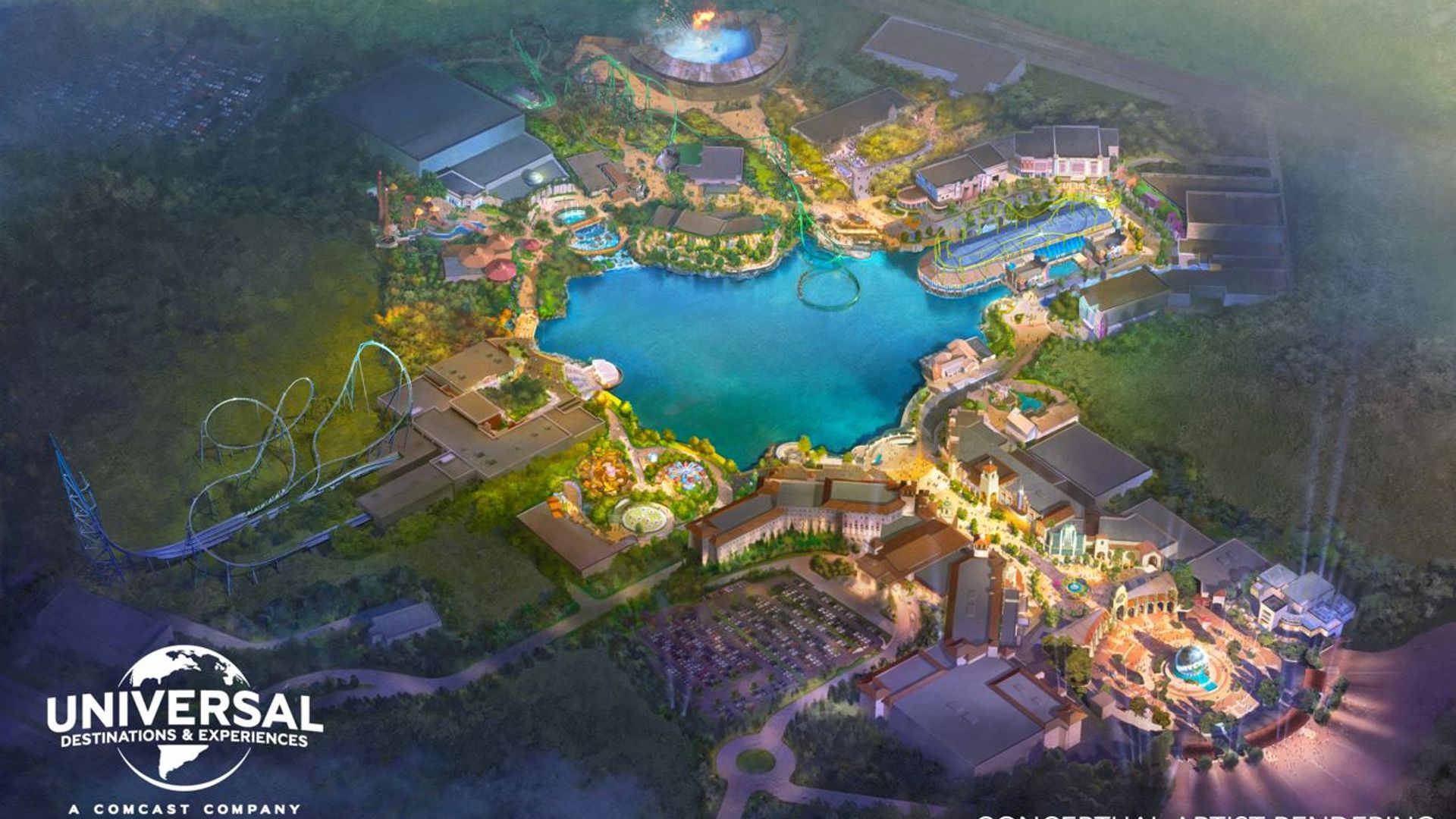
The rumors are finally dead. We have a name, a massive pot of public money, and a firm timeline.
It is officially going to be called the Universal United Kingdom Resort. Forget the clunky acronyms fans feared. Comcast and the British government just went public with a combined £7.3 billion package to drop Europe's biggest new entertainment destination right into the middle of Bedfordshire.
But let's look past the glossy concept art of rollercoasters and Hollywood magic. The headline that should catch your eye is the £1.3 billion chunk of taxpayer money propping this up. That is a staggering layout of public funds for an American entertainment giant.
Is it a brilliant economic engine or a massive corporate handout? Let's unpack exactly what is happening on the ground in Bedford, where your money is going, and whether this project will actually deliver on its wild promises by 2031.
Breaking Down the Nine Figure Public Subsidy
People hear £1.3 billion and assume the government is handed Comcast a blank check to build a Harry Potter ride. That is not how this deal works.
The public money is split into three distinct buckets. None of it goes directly into building theme park attractions.
First, the Department for Transport is swallowing £474 million to fix the surrounding transport network. If you've ever driven the A421 or dealt with regional rail around Bedford, you know it can't handle an extra eight million visitors a year. This cash funds major road upgrades and completes the long-delayed Wixams train station.
Second, the Department for Culture, Media and Sport is putting up £438 million for local community infrastructure.
Third, there is a £400 million grant coming out of the Exceptional Regional Growth Fund.
Here is the catch. The government isn't paying out that last £838 million upfront. Universal must build the community infrastructure and actually open the park gates before they see a single penny of those specific grants. It's a clawback protection mechanism. It keeps the American studio's feet to the fire.
Meanwhile, Comcast is footing the rest of the bill. They are dropping over £5 billion into the initial five-year construction phase. They also committed another £1 billion for capital investments over the park's first decade of operations.
The Local Reality for Bedfordshire
The park sits on a 476-acre site just outside Bedford. Right now, enabling works are already crawling across the dirt. Full construction starts soon.
Chancellor Rachel Reeves showed up to the site in a hard hat to champion the project. The political motivation is obvious. The government claims the project will inject nearly £50 billion into the wider economy by 2055.
They also dangle huge employment numbers:
- 20,000 jobs during the high-intensity construction phase.
- 8,000 permanent, operational roles when the gates unlock in 2031.
Those numbers sound great in a press release. But talk to anyone living in the Oxford-to-Cambridge growth corridor and you get a mixed bag of opinions.
An influx of 20,000 builders means massive pressure on local housing, rental markets, and temporary accommodation. Then there's the traffic. Five years of heavy construction vehicles clogging local routes before the upgraded roads even open will test the patience of every resident in the area.
The permanent jobs matter too. Universal promises roles across hospitality, technology, and creative sectors. But theme parks are notorious for relying on a massive army of low-wage, seasonal shift workers. Whether these jobs truly elevate the local economy or just create a regional hub for zero-hours contracts remains an open question.
Can a UK Park Actually Compete Internationally
Universal wants this site to become the most visited tourist attraction in the UK. They expect 8.5 million visitors annually at launch, scaling up to 12 million within two decades.
They want to draw over a million high-spending international tourists to Bedfordshire every single year.
That is an aggressive target. The UK theme park industry is currently dominated by Merlin Entertainments, who run Alton Towers and Thorpe Park. Those sites attract plenty of domestic visitors, but they don't move the needle for international aviation. Universal thinks their global intellectual properties will change that.
Think about the British weather. Orlando thrives because of year-round sunshine. Bedfordshire does not. Building a world-class resort in northern Europe means designing a heavily indoor, weather-proofed park.
Universal knows this. The plans show a massive emphasis on covered retail, dining spaces, and indoor dark rides. It's a completely different architectural challenge than building in Florida or California. If they get the indoor-to-outdoor balance wrong, British rain will wash away those ambitious visitor projections fast.
What to Watch Next
The clock is ticking toward 2031. The immediate next step is the transition from initial site clearance to heavy engineering. Watch the local planning portals over the next twelve months. That's where the real battle happens. We'll see the exact blueprints for the immersive lands, the 500-room hotel, and the retail districts.
Keep an eye on the Wixams rail station progress too. If the Department for Transport slips behind schedule on the railway link, the entire opening timeline stalls.
If you live in the region, prepare for a decade of orange high-vis jackets and road diversions. If you're a taxpayer, keep track of those infrastructure grants. Hold the politicians accountable to ensure Universal actually hits their milestones before the public funds clear the bank.