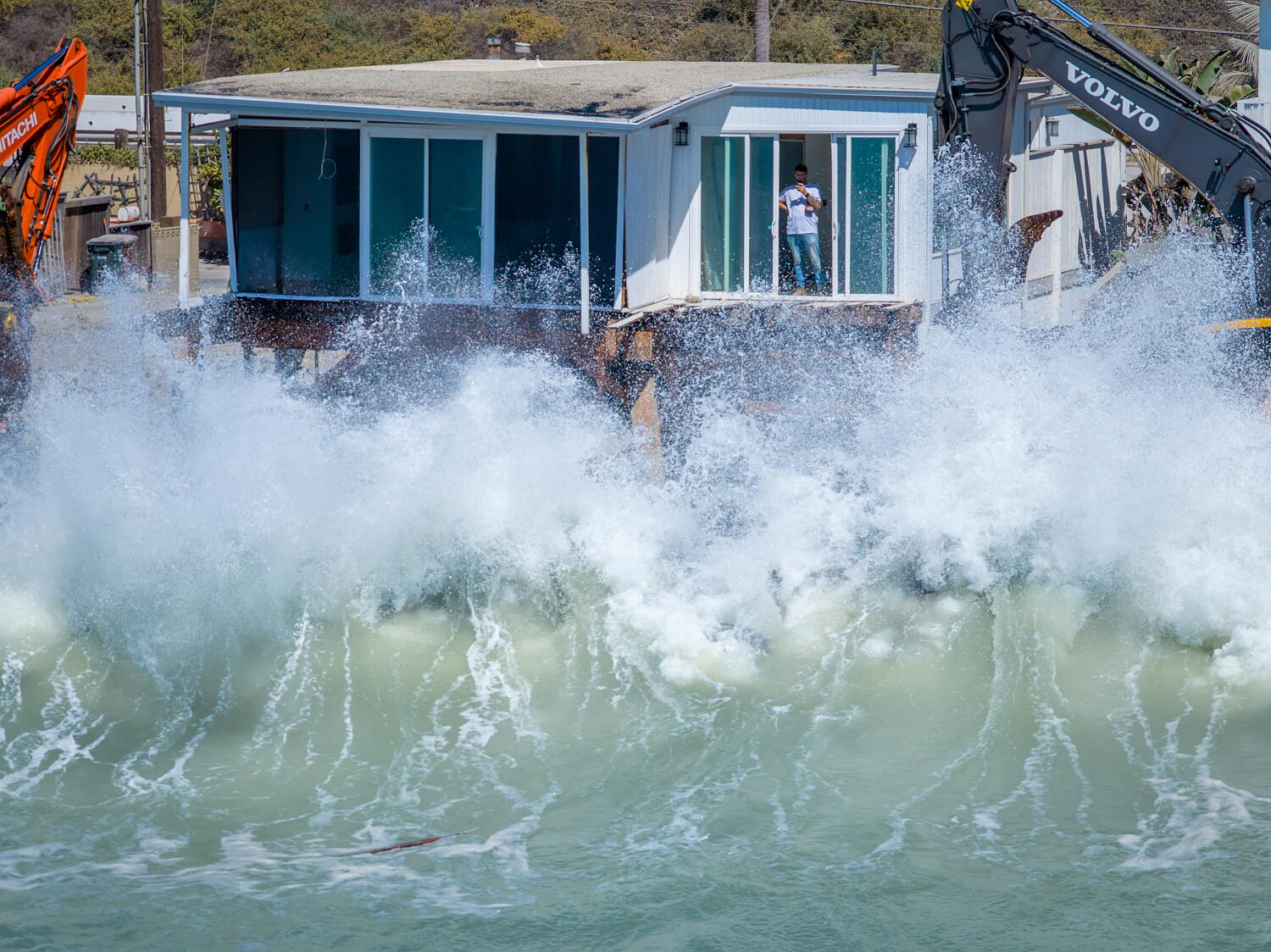
Municipalities across the United States are tired of footing the bill for rising sea levels, record-shattering heatwaves, and infrastructure destroyed by extreme weather. Instead of absorbing these multi-million dollar recovery costs, local governments like Boulder, Colorado, are taking major fossil fuel corporations straight to state courts. They want oil companies to pay for the damage caused by the products they sold.
The energy industry is fighting back with everything it has, pushing the legal battle all the way to the highest court in the land. At the center of the current Supreme Court docket is Suncor Energy v. County Commissioners of Boulder County, a landmark case that could decide whether fossil fuel giants face state-level liability or secure total immunity from local climate accountability.
The Core Conflict Behind The Courtroom Doors
For decades, energy companies operated under the assumption that federal environmental laws, such as the Clean Air Act, preempted local and state tort claims. If emissions and air pollution were regulated at the federal level, oil executives argued, individual cities and states shouldn't be allowed to sue energy producers under state consumer protection or nuisance laws.
Local governments see it differently. They aren't trying to regulate smokestack emissions or set national air quality standards. They are suing over alleged deception, arguing that energy companies knew about the catastrophic risks of fossil fuels for decades while actively running public relations campaigns to cast doubt on climate science. Boulder and other municipal plaintiffs want compensation for infrastructure costs, claiming that corporations should pay their fair share of adaptation expenses.
If state tort lawsuits are allowed to move forward, the legal floodgates could open wide. Dozens of cities, counties, and states have filed similar complaints, seeking billions of dollars in damages. Energy industry attorneys have described their defensive strategy as an attempt to land a home run that would permanently shut down climate accountability litigation nationwide.
What’s Actually At Stake For Both Sides
The financial implications are staggering. If the Supreme Court rules in favor of Big Oil, local governments lose a powerful tool to recover disaster mitigation costs. Taxpayers in coastal and wildfire-prone regions will carry the full weight of hardening their infrastructure against climate impacts.
Conversely, a win for local municipalities means major energy firms face an uphill battle in state courts across the country. Juries in local jurisdictions might prove unsympathetic to corporate arguments, leading to massive financial judgments or forced settlements. Beyond the immediate money, a ruling against the industry signals a profound shift in corporate liability. It establishes that companies can be held financially responsible for the long-term, cumulative environmental consequences of their core business model.
During oral arguments, several justices expressed skepticism toward the broad constitutional arguments brought forward by the oil industry's legal team, while also showing concern over the sheer volume of potential litigation. Navigating where federal oversight ends and state authority begins remains a notoriously tricky constitutional puzzle.
Expect a final ruling by next summer. Whatever the justices decide, it will permanently reshape how local communities confront the mounting costs of a warming planet.
The video above covers the details of the Supreme Court arguments.