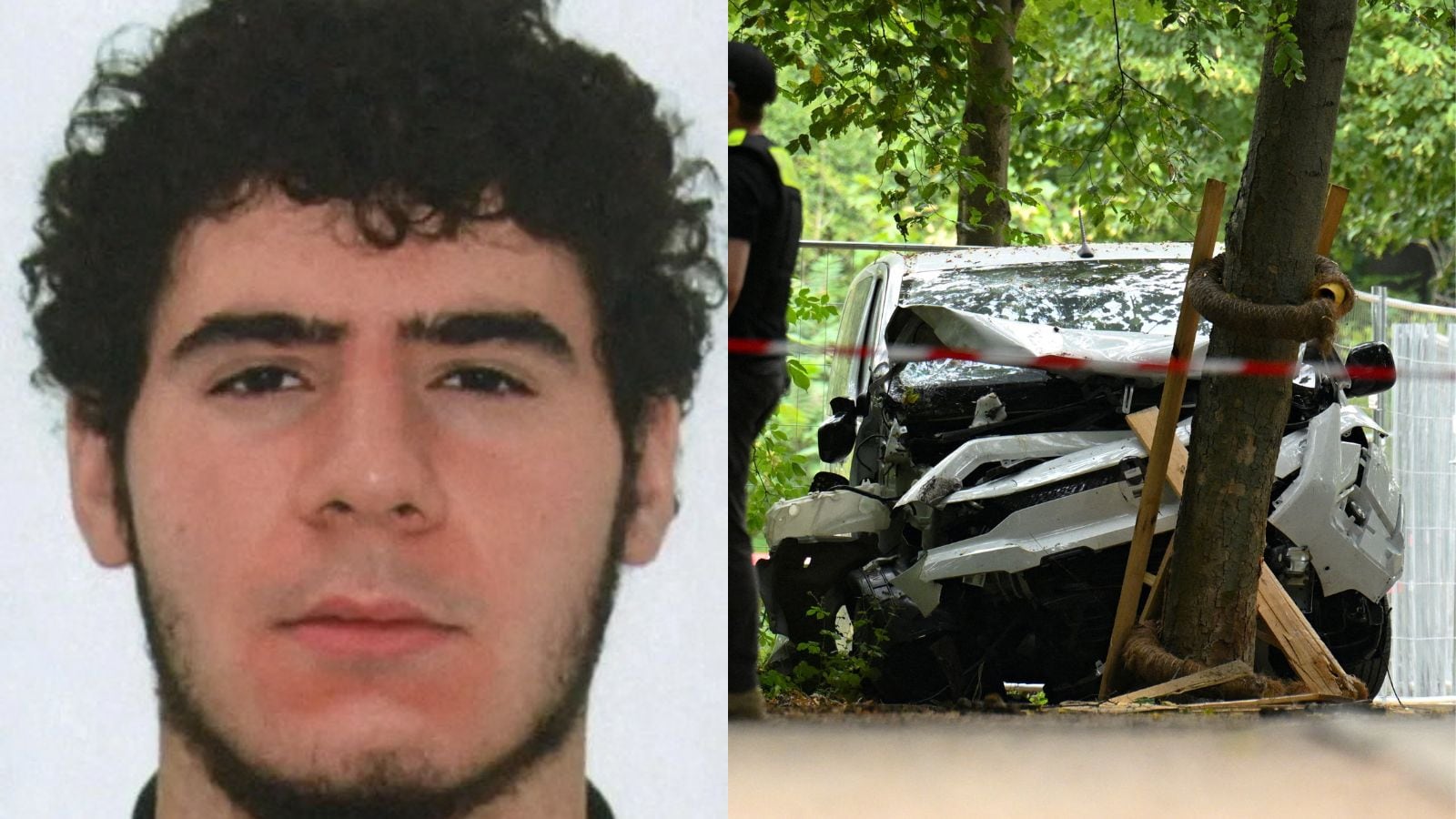
A peaceful celebration turned into absolute chaos when a rented white van plowed into a crowd near Berlin's Tiergarten park on a Saturday night. The vehicle attack and subsequent machete assault struck the fringes of the city's massive Christopher Street Day festivities, killing one woman and injuring 29 other people. What followed was a frantic, 24-hour nationwide manhunt that ended in a shootout in a suburban garden allotment.
Here is what actually happened during the terrifying weekend in Germany's capital, how law enforcement tracked down the perpetrator, and why this security failure has reignited a fierce political debate.
The Attack Near Christopher Street Day
The incident did not happen directly on the main parade route or inside the heavily guarded festival grounds near the Brandenburg Gate. Instead, it unfolded at around 10:00 PM on a path inside Tiergarten park, just a few hundred meters away from the official closing celebrations.
A 21-year-old German citizen of Lebanese descent, identified by authorities as Abdul Ballout, drove a rented van off the road and straight into pedestrians before crashing into a tree. Witnesses reported that the driver jumped out of the vehicle and brandished a bladed weapon, believed to be a machete, attacking bystanders before fleeing into the night.
Emergency responders rushed to the scene to treat the injured, while police locked down central Berlin. Out of the 29 people hurt during the rampage, multiple victims sustained critical, life-threatening injuries.
A Radicalized History and Missed Warning Signs
German Interior Minister Alexander Dobrindt didn't mince words when addressing reporters, stating that all evidence pointed directly to an Islamist extremist terror attack. Investigators quickly uncovered a disturbing paper trail that showed the suspect was already well-known to security agencies.
Court records and prosecutorial findings reveal a pattern of radicalization:
- In 2024, Ballout shared extremist Islamic State propaganda on his Instagram account.
- In 2025, he traveled to Lebanon with the explicit intention of crossing into Syria to join the militant group.
- Lebanese authorities arrested him, leading to a three-month prison sentence for inciting religious and sectarian conflict.
- Upon returning to Germany in late 2025, federal police arrested him at Berlin airport.
- A Berlin juvenile court convicted him in May of preparing a serious violent act against the state, handing down a suspended sentence of one year and 10 months in youth custody.
Because prosecutors appealed the leniency of that sentence, and because he had already spent months in pre-trial detention while expressing a supposed willingness to distance himself from extremism, he was walking free. That legal loophole is already drawing intense criticism from opposition politicians and the public alike.
The Manhunt and Shootout in Spandau
By Sunday morning, German authorities took the unusual step of releasing the suspect's full name and photograph, blanketing train stations, airports, and border checkpoints with his description.
The dragnet closed in late Sunday afternoon. Police tracked Ballout to an allotment garden complex in the western Spandau district of Berlin. Tactical SEK units cordoned off the area and evacuated nearby plots.
At around 6:00 PM, officers moved in. According to police statements, Ballout rushed toward the elite emergency forces armed with a stabbing weapon. Officers opened fire, striking him. Members of the Berlin Fire Department attempted immediate resuscitation measures, but he was pronounced dead at the scene.
The Aftermath and Political Fallout
Mourners gathered near the Brandenburg Gate on Sunday evening, laying flowers, lighting candles, and holding rainbow flags in defiance. Chancellor Friedrich Merz appealed for national unity, urging citizens not to let violence fracture an open and democratic society.
Yet, the tragedy has exposed deep systemic vulnerabilities. When violent extremists with documented ties to international terror networks can slip through the judicial cracks and secure release pending appeal, public trust takes a massive hit. As Germany prepares for upcoming regional elections, security policies, immigration tracking, and the handling of radicalized offenders will dominate the political conversation for months to come.


