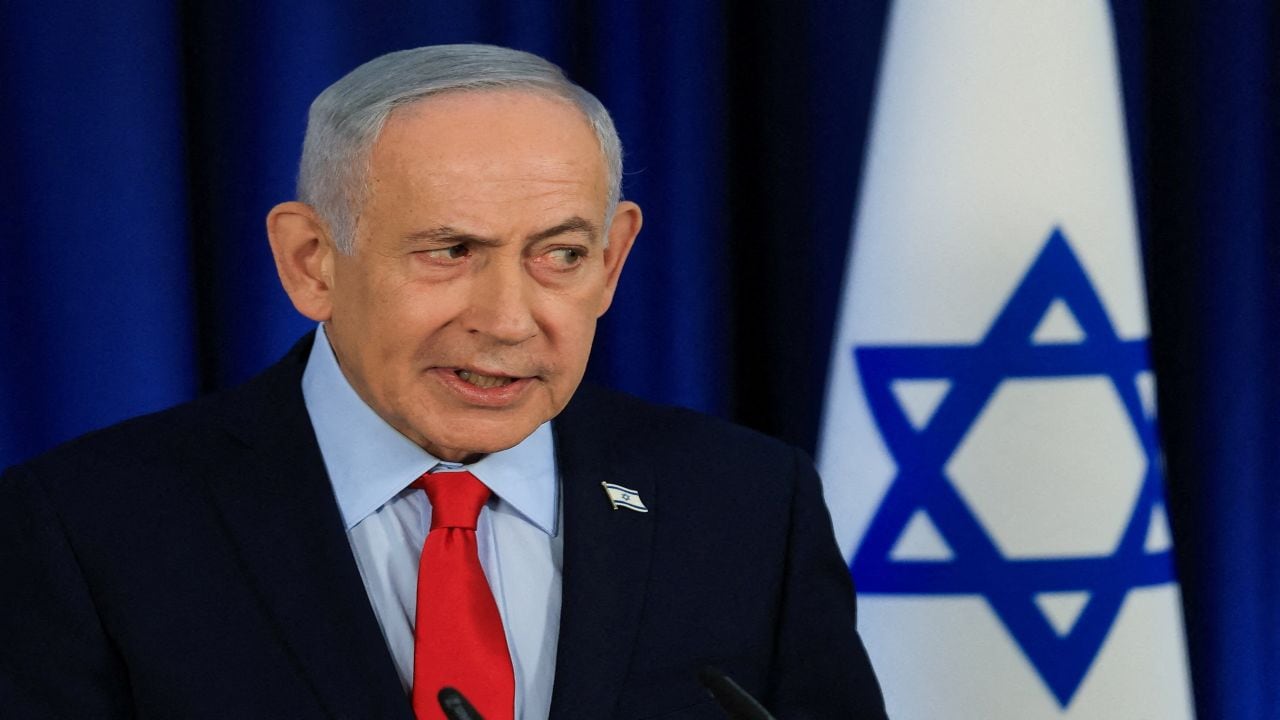
Benjamin Netanyahu just drew a clear line in the sand with the White House. Hours after Donald Trump explicitly told the Israeli Prime Minister not to retaliate against a massive Iranian missile barrage, the Israeli Air Force went ahead and hammered military targets deep inside Iran anyway.
If you want to know why the Middle East ceasefire is crumbling, look no further than this high-stakes game of chicken. Trump publicly claimed a historic peace deal with Tehran was just days away. He explicitly warned that an Israeli counterstrike would blow up months of delicate negotiations. Yet, Israeli jets hit targets across western and central Iran, including a petrochemical complex in Mahshahr, proving that when it comes to national security, Jerusalem answers to its own calculations, not Washington's timeline.
The real question driving this crisis isn't about military capabilities. It's about a fundamental clash of political survival and strategic vision between two long-time allies. Trump wants a grand diplomatic victory to secure his legacy. Netanyahu believes that relying on a piece of paper with Tehran is a fatal mistake.
The Call Trump Thought Would Stop the Jets
The drama behind the scenes peaked on Sunday. After Iran fired dozens of ballistic missiles toward northern Israel, targeting the Nevatim and Tel Nof air bases, Trump tried to manage the situation via the media and direct phone calls.
Speaking to reporters, Trump made his stance incredibly clear. He argued that since Israel's iron dome and air defenses intercepted the incoming fire, no real damage was done.
"I am going to call Bibi right now and tell him not to retaliate," Trump told journalists. "Each of them had their fun. Israel had its strike and Iran had its strike. We don't need another one."
Trump went even further, stating that Netanyahu "won't have any choice" but to accept whatever deal the United States negotiates because the American president "calls the shots." Behind closed doors, U.S. officials say Netanyahu "pseudo-agreed" to show restraint.
Clearly, that agreement didn't last. Netanyahu's decision to launch the Israeli Air Force just hours later is a direct rebuff to Trump's claim of absolute authority over Israeli military policy.
Why Israel Refused to Wait for Washington's Peace Deal
To understand why Israel ignored the leader of its most critical ally, you have to look at how Jerusalem views the current landscape. The current conflict, which began back in late February, saw the deaths of Iran's top leadership, including Supreme Leader Ali Khamenei. While a nominal ceasefire was reached on April 8, it was always incredibly fragile.
For Netanyahu, the idea of a Monday or Tuesday peace signing ceremony in Washington looked like a dangerous illusion. Here is what drove the decision to strike back immediately:
- The Beirut Red Line: The entire flare-up began because Israel struck suspected Hezbollah positions in Beirut's southern suburbs. Iran warned that hitting Beirut would trigger a response. Israel believes that backing down after Iran's retaliation would establish a dangerous new rule where Iran can dictate where Israel can and cannot strike its proxies.
- The Week of Strikes Threat: Iran's Islamic Revolutionary Guard Corps openly stated that their missile barrage was just the beginning of a full week of continuous strikes. Waiting around for a diplomatic breakthrough while a adversary promises a seven-day bombardment isn't a luxury any Israeli prime minister can afford.
- Economic Chokeholds: Iran still maintains a tight grip on the Strait of Hormuz. Combined with the Yemeni Houthis announcing a total ban on Israeli maritime navigation in the Red Sea, Israel feels economically cornered.
Netanyahu's cabinet operates on a simple principle: deterrence is maintained through disproportionate force, not diplomatic patience. By targeting the petrochemical infrastructure in Mahshahr and radar sites across Isfahan, Karaj, and Tabriz, Israel sent a message that it will disrupt Iran's economy if its own shipping lanes and cities are threatened.
The Huge Flaw in Trump's Diplomatic Strategy
Trump's frustration with the Israeli strikes is obvious. He openly admitted he was "not happy" about Israel hitting Beirut or Iran, complaining that the violence "is certainly not going to help negotiations."
But the administration's approach suffers from a major miscalculation. It assumes that both regional powers are ready to stop fighting just because Washington wants to wrap up a deal. Trump's view that "both of them have already done their part" treats a brutal regional war like a minor corporate dispute where both sides can split the difference.
It ignores the reality on the ground. Hezbollah rejected the U.S.-brokered ceasefire with Lebanon, calling it a farce. When Israel keeps taking rocket fire from the north, telling Netanyahu to sit on his hands and trust a looming deal with Tehran is a political non-starter in Jerusalem. Netanyahu knows that if he looks weak against Iran, his coalition government collapses instantly.
What This Means for Global Markets and Your Wallet
The immediate fallout of Netanyahu ignoring Trump isn't just political; it's economic. Global markets hate uncertainty, and the Middle East just became a massive wild card again.
As soon as news broke that Israeli jets had hit Iranian territory, oil markets reacted violently. Brent crude immediately jumped over 4% to nearly $97 a barrel. If the crossfire continues, energy analysts warn we could easily see oil clear the $100 mark by the end of the week.
With a fifth of the world's oil and natural gas supplies tied up in the volatile geography of the Persian Gulf and the Red Sea, any prolonged air war means higher prices at the pump for consumers worldwide.
How to Navigate the Upcoming Geopolitical Volatility
If you're managing investments, running a business dependent on global supply chains, or just trying to protect your capital, watching the talking heads on cable news won't help you. You need a practical plan for a more volatile environment.
First, stop betting on a quick diplomatic resolution. Even if Trump manages to drag representatives to a table this week, the structural animosity between Israel and Iran means any agreement will be incredibly unstable. Build geopolitical risk into your Q3 and Q4 business planning.
Second, watch the shipping lanes, not just the capital cities. The real economic pain won't come from air sirens in Tel Aviv or explosions in Isfahan. It will come if the Houthis successfully disrupt Red Sea shipping or if Iran totally closes the Strait of Hormuz. Keep a close eye on maritime logistics data and freight insurance rates.
Finally, diversify your energy exposure. If your portfolio or business costs are heavily exposed to oil prices, now is the time to hedge. The friction between Trump's diplomatic ambitions and Netanyahu's security imperatives guarantees that market volatility is here to stay.