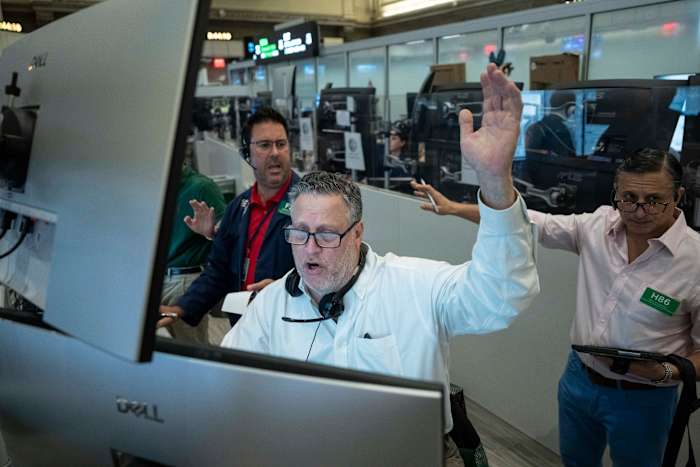
When the Strait of Hormuz effectively slammed shut, global energy markets panicked. Brent crude spiked past $100 a barrel, and gas stations in America crossed the painful four-dollar threshold. While Washington and Tehran traded missile barrages, two major global players stopped hiding in the background. China and Russia didn't just step out of the shadows; they completely altered the geopolitical math of the crude oil market.
You aren't getting the full picture if you only look at the headlines about airstrikes and emergency cabinet meetings. Behind the scenes, Beijing and Moscow are running a calculated play to secure discounted energy, outmaneuver Western sanctions, and accelerate a post-dollar trade architecture.
The Energy Lifeline Nobody Is Talking About
Let's look at what's actually happening on the ground. When tankers stopped moving freely through Middle Eastern chokepoints, traditional Western allies scrambled for supply. But China and Russia had already built a parallel plumbing system for global oil.
For months, Beijing quietly absorbed record volumes of sanctioned crude. They didn't panic when Brent touched triple digits. Refineries in Shandong kept running full tilt on discounted barrels routed through complex ship-to-ship transfers and dark fleet logistics. Moscow, meanwhile, weaponized its own production cuts and alliance within OPEC+ to keep revenue flowing despite heavy Western restrictions.
When the US-Iran conflict escalated, it created a massive opening for these two nations to institutionalize their economic partnership with Tehran. Russia provides the military-technical coordination and diplomatic shield at the UN Security Council, while China acts as the ultimate buyer of last resort. Together, they form an economic bloc that blunts the impact of American naval power in the Persian Gulf.
Why Crude Oil Pricing Models Are Breaking Down
If you trade commodities or follow energy stocks, you've probably noticed that traditional pricing rules aren't working right now. Usually, a major naval blockade in the Middle East causes a predictable, linear surge in global benchmarks. This time, the market split into two distinct tiers.
Western markets deal with the psychological panic and high spot prices of Brent and WTI. Meanwhile, a massive shadow market operates entirely outside the Western financial system. Transactions settle in yuan or rubles. Tankers run uninsured by Western maritime associations.
This dual-track system means China and Russia are insulating their domestic economies from the worst shocks of the war. Beijing's massive strategic petroleum reserves, which expanded significantly over the past few years, gave them a buffer that Washington simply didn't account for. They aren't victims of this energy crisis. They are managing it to their strategic advantage.
What This Means for the Future of Global Trade
We are watching the permanent fragmentation of the global energy grid. The idea that a single superpower can police trade routes and enforce global compliance through financial sanctions is taking a massive hit.
When the dust settles on the current diplomatic talks and temporary lulls in the fighting, the old status quo won't return. China has cemented its role as the dominant economic partner for Middle Eastern producers, and Russia has proven that sanctions cannot isolate a willing supplier from a hungry buyer. Keep a close eye on bilateral settlement currencies and independent tanker fleets. That is where the real war for global economic dominance is being won.