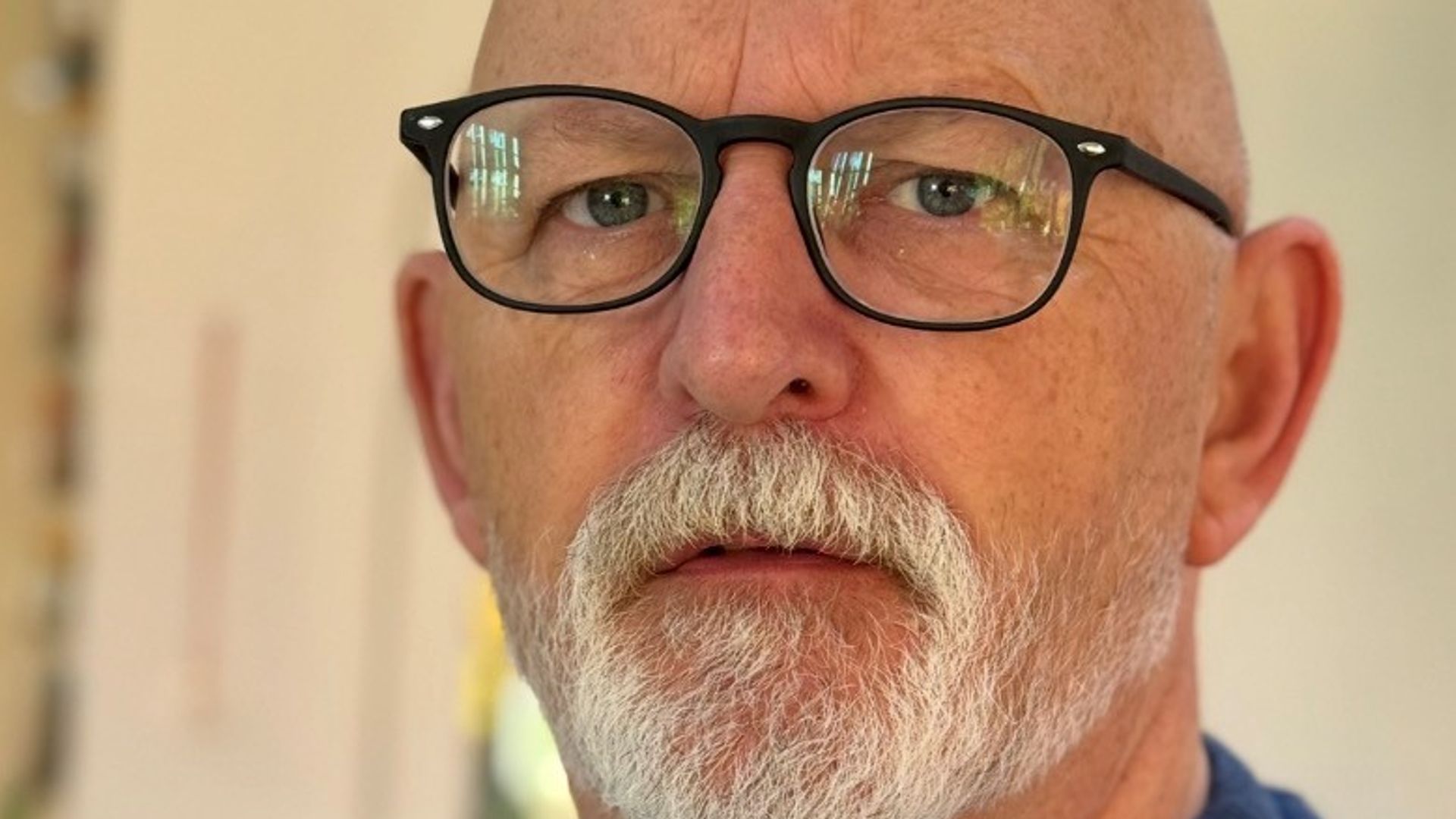
On June 19, 2026, a high-speed collision south of Bedford Rail station shattered the relative peace of the UK’s modern railway network. Two East Midlands Railway (EMR) trains, packed with commuters, collided at Elstow. The impact claimed the life of 60-year-old train driver Shaun Burton and left 162 passengers injured.
A newly opened inquest at the Bedfordshire and Luton Coroner's Court has laid bare the stark physical reality of the tragedy. But beyond the coroner’s findings, this disaster forces us to look directly at a highly uncomfortable truth. In an era of highly advanced, multi-layered rail technology, a sequence of mechanical and human failures can still prove catastrophic. Meanwhile, you can find similar stories here: The Red Ink of Leh Nullah (And Why It Matters).
We need to talk about what went wrong, why the safeguards failed, and what this means for the safety of UK rail travel.
What the Inquest Revealed About Shaun Burton's Death
The opening of the inquest in Ampthill delivered the official, sobering medical details. Natalie Shirran, the coroner's officer, confirmed that Shaun Burton died from "traumatic injuries to the brainstem and chest". To explore the complete picture, check out the detailed analysis by TIME.
The physical mechanics of the crash explain why.
Mr. Burton was driving train 1H46, a service from Corby, which departed Bedford at 5:10 PM. Just four minutes later, his train collided with the rear of a stationary Nottingham-to-London service (train 1B67) on the up fast line.
The speed data recovered from the wreckage tells a terrifying story:
- The Corby train was cruising at 77 mph.
- Brakes were applied just 200 yards (roughly nine seconds) before the collision.
- The train slowed to 49 mph at the moment of impact.
At 49 mph, the deceleration of a multi-ton train hitting a stationary object is violent. The front cab, where Mr. Burton was positioned, bore the absolute brunt of that massive kinetic energy transfer.
A Cascade of Failures: How Two Modern Trains Ended Up on the Same Track
To understand why this happened, we have to look at the chain of events. A modern railway line is designed so that a rear-end collision should be nearly impossible. Yet, on June 19, a sequence of compounding issues overrode those protections.
The First Failure: The Stationary Train's AWS Fault
The front train, a brand-new Aurora Class 810 built by Hitachi, had ground to an unexpected halt on the fast line. A fault with its onboard Automatic Warning System (AWS) had automatically triggered its emergency brakes. As the driver sat in the cab communicating with signallers and maintenance staff to resolve the issue, the railway's signalling system reacted correctly. It set the signals behind the stationary train to red.
The Second Failure: Passing the Red Signal
Mr. Burton’s train departed Bedford and crossed over to the fast line. According to the Rail Accident Investigation Branch (RAIB) interim report, his train passed two yellow caution signals. These lights are an explicit warning to a driver: slow down and prepare to stop at a red light ahead.
CCTV footage from Mr. Burton’s cab confirmed that the crucial signal protecting the stationary train was indeed glowing a solid red. Yet, the train proceeded past it.
The Big Unanswered Question: Why Didn't the Cab Warnings Work?
This is where the investigation gets highly technical—and incredibly critical for the future of rail safety.
UK trains are equipped with an Automatic Warning System (AWS). When a train approaches a yellow or red signal, a horn sounds in the cab. The driver has a few seconds to press a button to acknowledge the warning. If they don't, the train's brakes are supposed to apply automatically.
So, why didn't Mr. Burton's train stop automatically?
The RAIB’s interim report noted that "it is not yet possible to say what indication the driver received" from the AWS system in his cab. Investigators are currently looking into whether the system failed to alert him, whether there was a latency issue, or if the system was acknowledged but the danger wasn't realized until those final, desperate nine seconds.
The Human Toll and the Next Steps
While safety watchdogs tear apart the wreckage and examine the data recorders, we can't forget the massive human cost.
Alongside the tragic loss of Shaun Burton, 162 people were injured. The emergency response was immense, involving over 70 firefighters, 20 road ambulances, and six air ambulances to treat fractured bones and critical trauma. While all of the critically injured passengers have since been discharged from intensive care, the physical and psychological recovery for those on board will take years.
Coroner Emma Whitting has adjourned the inquest until the joint investigations by the RAIB and the British Transport Police are complete.
For the rail industry, the immediate next steps must go beyond offering condolences. This crash highlights a glaring vulnerability in relying on aging AWS safety tech alongside modern high-speed fleets. We need a faster rollout of European Train Control System (ETCS) in-cab signalling, which actively prevents a train from passing a red signal regardless of driver reaction. Until those structural upgrades are accelerated across the entire network, the systemic risks remain.