The smell of deep-heat rub and damp grass in a stadium tunnel is suffocating. For ninety minutes, the world shrinks to a patch of green and a white net. But for a specific breed of football player, the world narrows even further. It shrinks to a single number: the tally of goals next to their name.
We talk about football as the ultimate team sport. We praise the selflessness of the midfield, the collective sacrifice of the back four, and the unity required to lift a trophy. That is a beautiful lie. Or, at least, it is only half the truth.
Deep within every elite striker lives a quiet, ravenous monster. It does not care about tactical symmetry. It does not sleep when the team wins four-to-zero if those four goals belonged to someone else. This is the psychological tightrope of the Golden Boot race, an individual obsession wrapped inside a collective endeavor. When three or four world-class forwards enter the final weeks of a season neck-and-neck, the pressure transforms from a sporting challenge into a slow, psychological burning.
The Loneliness of the Number Nine
To understand the weight of this race, you have to understand the isolation. Consider a hypothetical striker named Marcus. He is thirty-one, his knees ache before the morning coffee kicks in, and this season represents his final shot at immortality.
Marcus knows that a midfielder can have a brilliant game by simply retaining possession, recycling the ball, and covering ten kilometers of turf. A striker has no such luxury. They are judged by a binary metric. Did the net bulge? If yes, you are a genius. If no, you are a ghost.
When the Golden Boot is within reach, every match becomes an internal war. Picture Marcus receiving the ball on the edge of the eighteen-yard box. To his left, an overlapping fullback is completely unmarked, screaming for a pass that would guarantee a tap-in for the team. To his right, two defenders are closing in, leaving only a microscopic window to shoot.
In that split second, the collective good clashes directly with personal destiny. If Marcus passes, the team scores, but his rival at the top of the goal-scoring charts pulls further ahead. If Marcus shoots and misses, his manager will fume, his teammates will throw their hands up in frustration, and the fans will boo.
He shoots.
This is not simple selfishness; it is the absolute certainty required to score thirty goals a year. Striking is an act of defiance against probability. You must believe, against all evidence, that the next shot is going in, even if the last five ended up in the row Z.
The Contrast of Styles
What makes a truly legendary race for the top scorer title compelling is never just the numbers. It is the clash of philosophies. No two goal-scorers hunt the same way.
On one side of the ledger, you have the apex predator of the penalty box. This player is a ghost for eighty-eight minutes. They do not press, they rarely track back, and their touch map looks like a scatter plot of a tiny, specific rectangle of grass. But when a cross flies into the box, they materialize out of nowhere. A toe, a knee, a deflection off a hip—it does not matter. The ball is in the net. They view goal-scoring as a volume business, an accumulation of micro-advantages.
On the other side stands the force of nature. This is the young winger turned forward who scores goals that belong in a gallery. They pick the ball up at the halfway line, leave three defenders reaching for air, and smash the ball into the top stanchion from thirty yards out.
The data analysts will tell you that the apex predator is more sustainable. They talk about expected goals, high-probability shooting zones, and shot conversion rates. But football is not played on a spreadsheet. The momentum of a Golden Boot race shifts on emotion. When the young prodigy scores a spectacular winner, the psychological blow to their rivals is heavy. It sends a message across the league: I can score from anywhere. You cannot catch me.
The Invisible Toll of the Drought
Every contender faces the wall. It usually happens in late winter, when the pitches are heavy and the legs are tired. The goals dry up.
A two-game drought for a normal player is a statistical blip. For a Golden Boot contender, it is an existential crisis. The media begins to run packages analyzing their body language. Pundits debate whether their style hurts the team's balance. The player begins to overthink.
Instead of acting on pure, unadulterated instinct, they hesitate. They take an extra touch to set themselves. That extra touch allows a recovering defender to make a sliding block. The frustration builds.
During these stretches, players look at the scoreboard of other matches before they even wash the mud off their own boots. They see their rival scored a penalty in the early kickoff. The gap widens. The psychological burden increases. It affects how they sleep, how they train, and how they interact with their family. The golden trophy becomes a phantom that haunts their every waking hour.
The Final Ninety Minutes
Everything converges on the final day of the season. The television networks set up split-screen broadcasts. Managers insist their only focus is winning the match and securing the three points, but everyone in the stadium knows the truth. The players are hunting.
Imagine the scenario: the league title is already decided, but the individual crown is tied. Two players, playing in different stadiums three hundred miles apart, are locked at twenty-six goals each.
Every time a cheer erupts in stadium A, the bench at stadium B checks their phones. The word filters out to the pitch. He scored. You are down by one.
The game plan dissolves. Teammates begin feeding the ball to their striker at every opportunity, forcing passes that make no tactical sense, desperately trying to engineer a goal. The striker is exhausted, their lungs are burning, but the adrenaline keeps them upright.
They get one last chance in the ninety-second minute. A loose ball in the box. A sea of flailing legs. It is a moment stripped of all glamour, reduced to raw hunger and reaction time. The striker throws their body into the melee, feeling a sharp sting in their shin as they make contact.
The stadium erupts. The net ripples.
They do not look at the referee. They do not look at the linesman. They look directly at the bench, waiting for the confirmation from the other stadium. The whistle blows. The season is over. The race is won by a single, messy, agonizing goal.
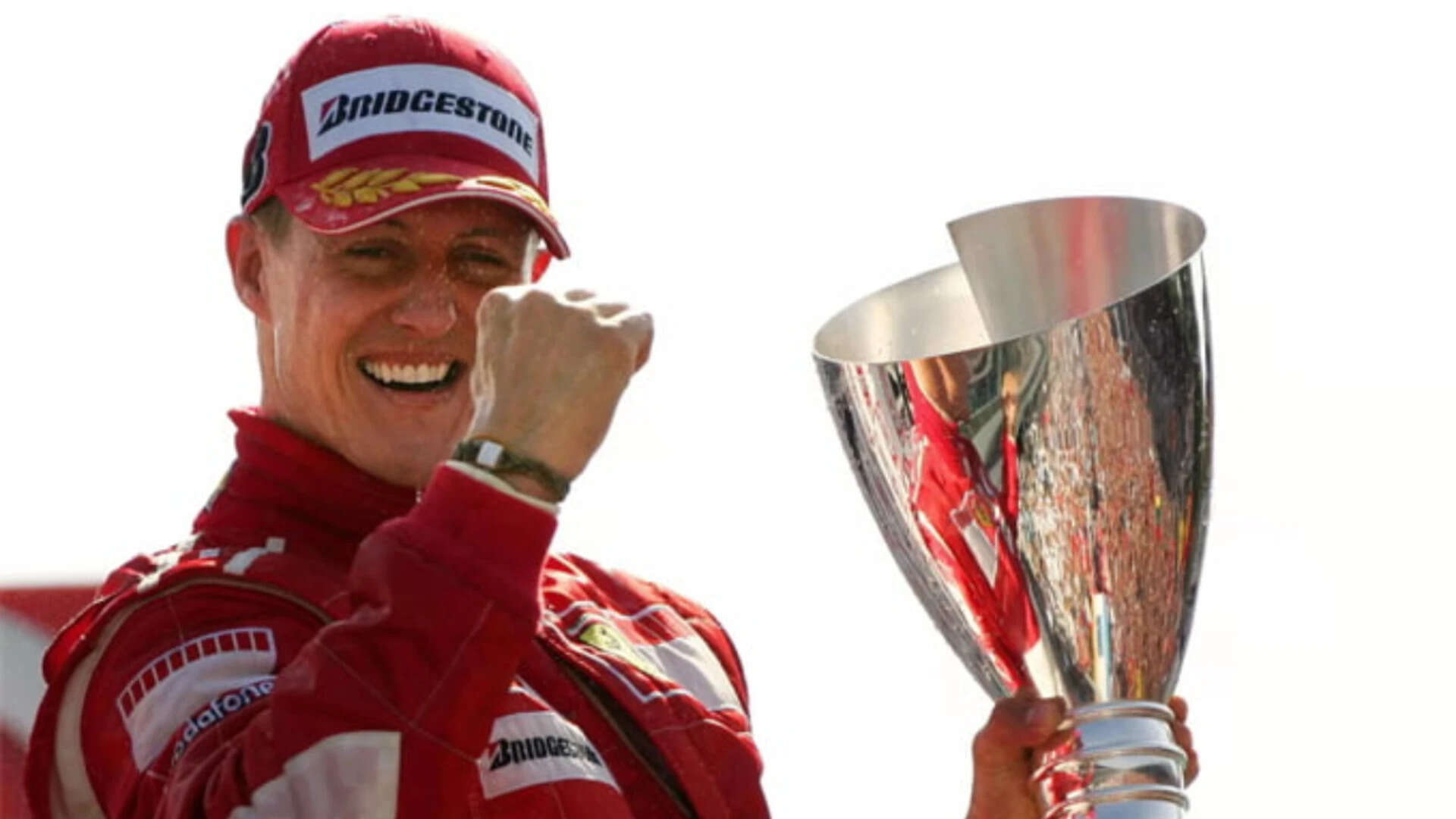
We remember the celebrations, the golden trophy held aloft in the bright sunshine, the bright smiles for the cameras. But the real story of the Golden Boot is written in the dark. It is found in the quiet moments of selfishness, the sleepless nights during a drought, and the terrifying, beautiful obsession required to stand alone at the very top of the mountain.