The maritime ceasefire between Washington and Tehran didn't even survive the summer. Just weeks after signing a June 17 memorandum of understanding designed to cool off a hot war, the Middle East is staring down a catastrophic escalation. Iran says the world's most critical energy chokepoint is shut. Donald Trump says he just bombed them for it, and the channel remains open.
If you're trying to figure out who actually controls the Strait of Hormuz right now, the honest answer is a mess. It's a high-stakes game of chicken where commercial shipping lines are caught in the crossfire.
Here's the reality behind the conflicting headlines and what it means for global security.
The Perfect Deal That Lasted Less Than a Day
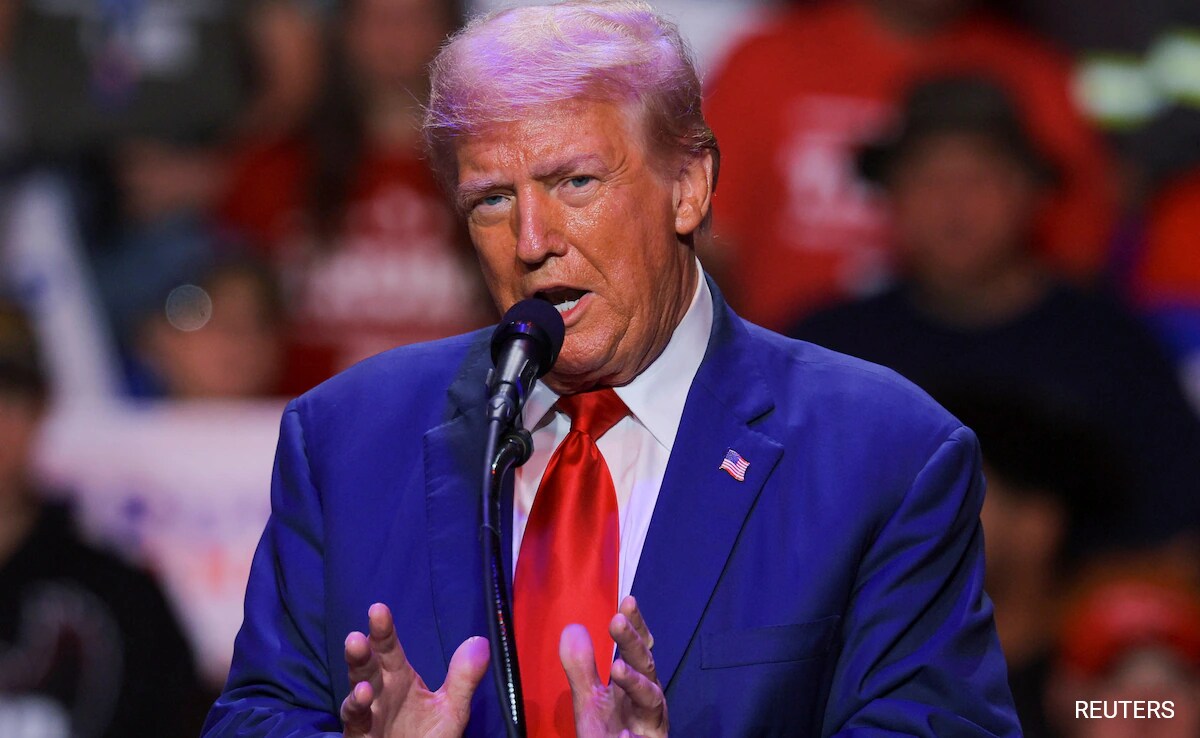
During a Sunday phone interview on NBC's "Meet the Press," Trump laid out his version of a diplomatic collapse that happened at lightning speed. According to him, U.S. and Iranian officials had been hashing out a deal in Oman. He claimed the Iranian representatives were ready to make major concessions, including walking back nuclear and military posturing.
"They agreed to a deal yesterday," Trump said. "A perfect deal for us. No nuclear, no this, no that, no nothing. They gave up everything, and then after that, they left the room and then within an hour they launched a drone at a ship."
That ship was the M/V GFS Galaxy, a Cypriot-flagged container vessel transiting a southern route near the Omani coast. The Islamic Revolutionary Guard Corps fired on it, claiming the vessel took an unauthorized path. The strike disabled the ship's engine room and forced the crew into lifeboats. Ten Indian nationals were rescued, but one crew member remains missing.
Trump didn't hold back his fury. "They are very, very evil and sick people," he muttered during the interview.
Retaliation by the Numbers
Washington didn't wait around for an explanation. Under Trump's orders, U.S. Central Command launched a massive overnight bombardment. American forces struck roughly 140 Iranian military targets. The strikes hit drone hangars, missile batteries, naval facilities, and communication networks along Iran's southern coast. Explosions rocked key petrochemical hubs like Bushehr and Asalouyeh, alongside the port cities of Bandar Abbas and Qeshm Island.
Over the last three nights, the U.S. military has hammered more than 300 targets inside Iran. The goal is straightforward: strip away Tehran's physical capability to harass commercial mariners.
Tehran fired right back. The IRGC launched a wave of drones and missiles at its Gulf neighbors, specifically targeting Arab nations hosting U.S. assets. Blasts and intercepts were reported across Jordan, Bahrain, Qatar, Oman, and Kuwait. The Iranians claimed they successfully hit a U.S. radar site in Kuwait, an aircraft carrier refueling platform at Duqm in Oman, and a maintenance hub in Qatar.
So is the Strait Open or Closed?
It depends on who you ask, but the physical data suggests traffic is still moving, albeit nervously.
Iran's newly minted Persian Gulf Strait Authority posted a warning on X stating that passage is fundamentally impossible without a digital transit permit issued through their official website. They blame "illegal movements" by the U.S. military for the lockdown, insisting they won't review permit applications until regional stability returns. Mohsen Rezaee, a senior adviser to Iran's Supreme Leader Mojtaba Khamenei, reinforced the rhetoric, stating that controlling this strategic passage matters more to the Islamic Republic than a dozen atomic bombs.
CENTCOM slammed the statement as disinformation. "Iran does not control the Strait of Hormuz," the command countered on social media, emphasizing that it remains an international waterway. According to military data, over 140 ships transited the strait in the last seven days alone.
The United Kingdom Maritime Trade Operations center notes that while the security threat level is severe, a southern route along the Omani coast remains physically passable. The real danger isn't an official Iranian blockade; it's the threat of floating sea mines and rogue drone strikes.
What This Means for Global Shipping
Commercial fleets aren't waiting around to see who wins the rhetorical battle. Qatar has already advised all local vessels, including fishing and leisure boats, to stay at dock. Major international container lines are weighing the massive spikes in war-risk insurance premiums against the cost of rerouting vessels entirely around Africa.
The June interim agreement was supposed to secure a 60-day window of free passage with no transit fees. Now, that framework is totally dead. Trump has made it clear that the temporary truce is over, noting that the U.S. has thousands of missiles locked and loaded if Tehran escalates further.
If you operate in the maritime supply chain or rely on energy markets, don't buy into the narrative that a diplomatic solution is just around the corner. Expect highly volatile shipping rates, increased naval escorts from Western coalitions, and continued tit-for-tat military strikes along the Iranian coast. The immediate priority for transit security is tracking the status of the southern Omani shipping lane, which currently serves as the only viable path through the chaos.