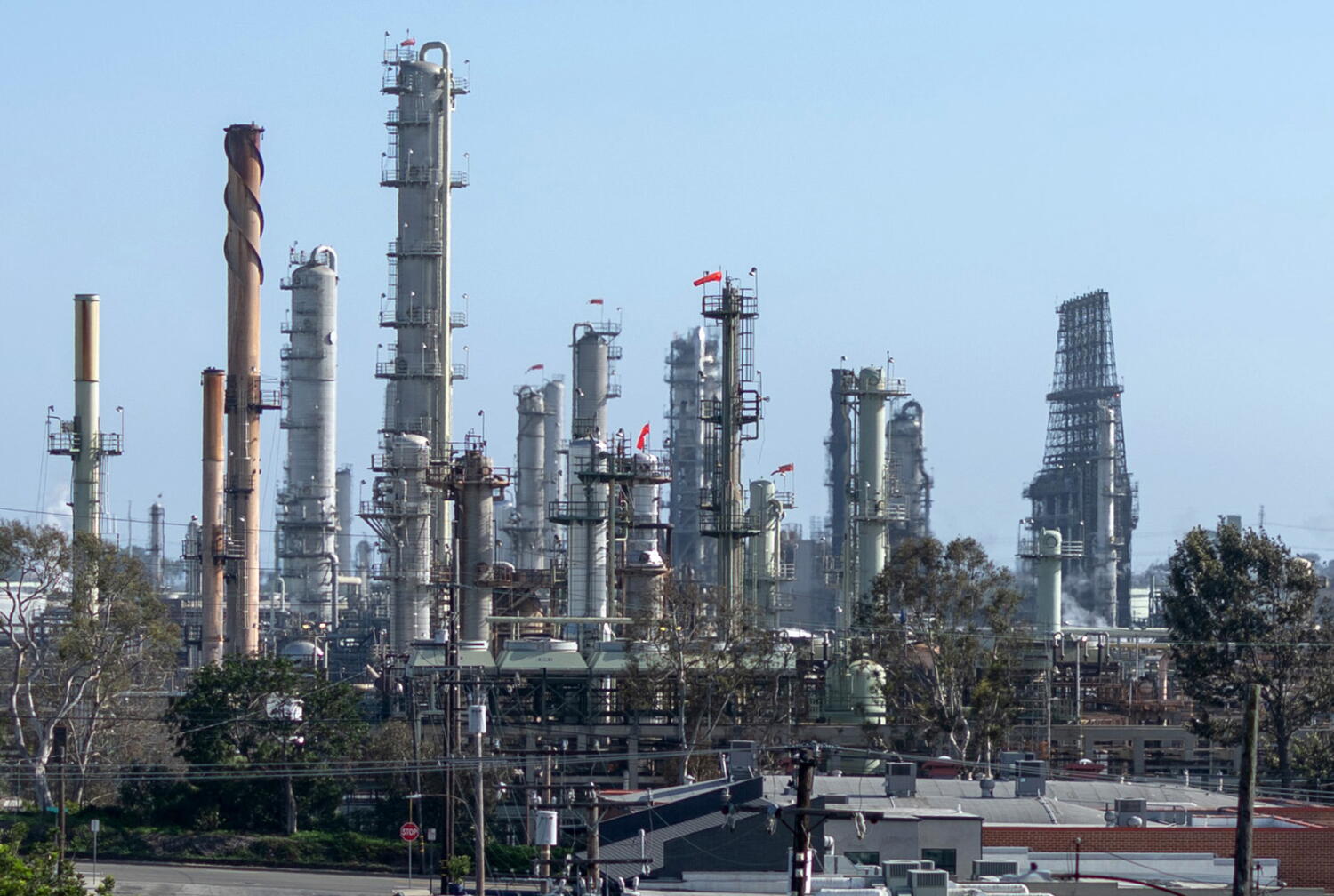
Record-high diesel prices are creating a political firestorm. When filling up a commercial rig or a farm tractor costs a small fortune, lawmakers look for a quick fix. The Trump administration weighed a temporary ban on American diesel exports to flood the domestic market with cheap fuel. It sounds intuitive on paper. Keep the fuel at home, and prices should drop.
Energy markets rarely work on simple logic. Refiners, industry trade groups, and analysts warned immediately that an export ban would backfire. Instead of lowering costs at the pump, choking off foreign shipments risks doing the exact opposite. It could break refinery economics, choke off gasoline production, and send overall fuel prices soaring. For an alternative view, consider: this related article.
How Modern Refineries Actually Work
You cannot refine diesel in a vacuum. Crude oil enters a refinery, gets heated in a distillation tower, and separates into a spectrum of products simultaneously. Gasoline, diesel, jet fuel, and heating oil all emerge from the same barrel of crude.
Refineries produce diesel and gasoline in fixed technical ratios. If you block domestic refiners from exporting their surplus diesel, storage tanks fill up fast. Once storage hits maximum capacity, plants face an impossible choice. They have to stop buying crude and throttle back total production. Similar analysis on this trend has been provided by Business Insider.
Cutting runs means fewer barrels of everything. When total output drops, the supply of gasoline and jet fuel shrinks right along with diesel. That contraction creates an artificial shortage. You end up trading local diesel relief for a broader, more expensive crisis across every other refined product.
The Regional Divide and Global Fallout
The fallout from a diesel ban would hit different parts of the country unevenly. Gulf Coast refiners might see a temporary glut of trapped fuel. Meanwhile, regions reliant on imported fuel or complex interstate pipelines could face severe pinches.
International trade networks complicate matters further. The United States supplies massive quantities of diesel to energy-starved allies in Europe, while European refiners ship gasoline back across the Atlantic. Severing those trade ties invites immediate retaliation and disrupts the global balance of refined products. When global supply chains fracture, import costs rise, hitting consumers who rely on smooth cross-border flows.
Farmers, long-haul truckers, and logistics companies bear the brunt of high diesel costs. Their pain travels straight to grocery store shelves and shipping manifests. Yet trying to fix that pain by breaking the machinery of global trade creates a dangerous domino effect.
Energy policy requires expanding supply rather than trapping it. When politicians treat complex supply chains like valves they can turn on and off at whim, the market usually teaches an expensive lesson. Real relief comes from boosting production and easing bottlenecks, not from blunt restrictions that choke off domestic refiners.