You have been told for years that your health is entirely in your hands. You hear it at every check-up. Eat your greens, get to the gym, track your macros, and you will thrive. If you get sick, you just didn't work hard enough to stay well. That narrative is not just annoying. It is dead wrong.
The data is clear. In 2026, the gap in healthy life expectancy between the wealthiest and the poorest citizens is not shrinking. It is expanding. This is not about bad choices. It is about the reality that your zip code, your income bracket, and your daily environmental stressors dictate your biology far more than your morning green smoothie ever will.
The Difference Between Living And Thriving
We often confuse life expectancy with healthy life expectancy. Life expectancy is simply the number of years you breathe air. Healthy life expectancy measures how many of those years you actually live without chronic disability or illness.
Right now, that gap is yawning wide. If you live in a high-income area, you aren't just living longer. You are likely spending significantly more of your twilight years in full physical health. In contrast, those at the bottom of the income scale are often spending their final decades managing multiple chronic conditions like diabetes, heart disease, or mobility issues.
This isn't a mystery. It is the result of years of unequal access to resources, education, and safe environments. When your primary focus is keeping the lights on, your body responds. It goes into survival mode. And that mode has a cost.
The Biology Of Poverty
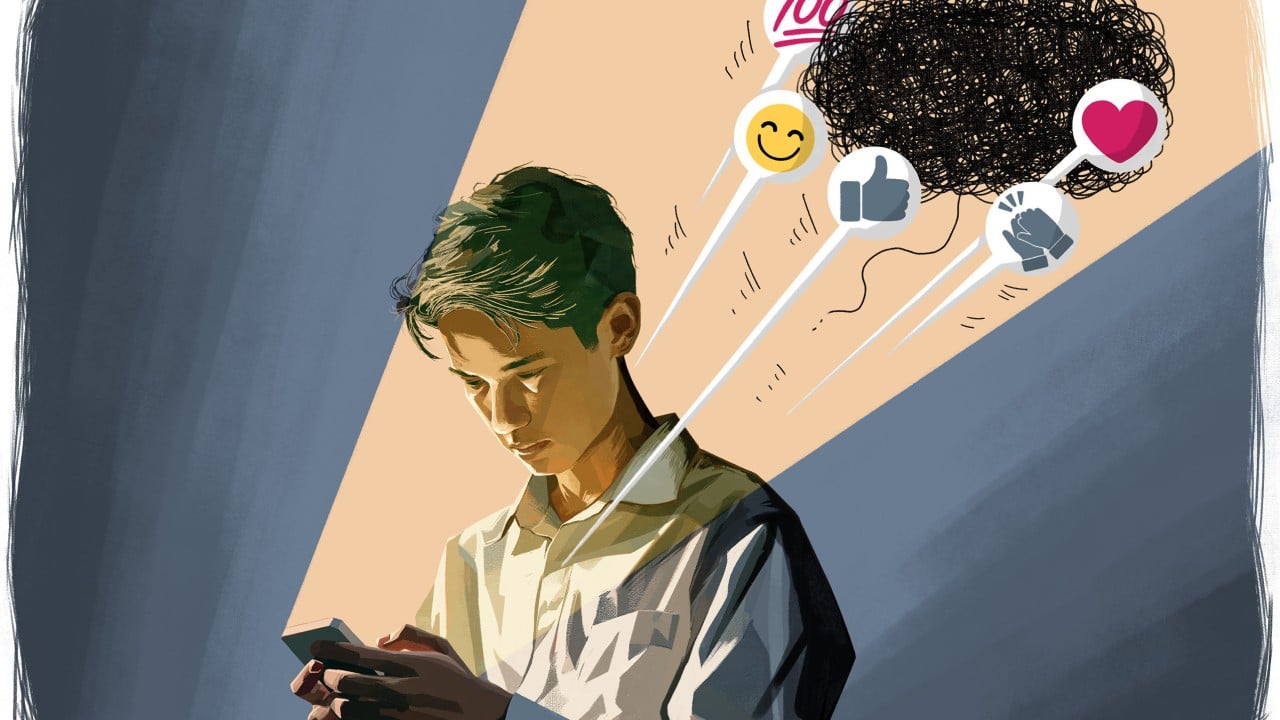
You might wonder how a bank account can affect a person's blood pressure or inflammation levels. The answer lies in chronic stress. Scientists call this allostatic load. Think of it as the wear and tear on your body that accumulates when you are exposed to repeated or chronic stress.
When you are constantly worried about rent, food insecurity, or job instability, your body pumps out cortisol. It is a natural response. But when that stress never shuts off, your system never recovers. Your heart rate stays elevated. Your immune system becomes suppressed. Your body essentially ages faster.
This is not a theoretical concept. I have seen this in my own work within community health initiatives. You can tell a patient to lower their sodium intake all you want. But if they live in an area where fresh, affordable produce is nowhere to be found, or where the only accessible food is processed and shelf-stable, you are setting them up for failure. Telling someone to simply make better choices when they lack the infrastructure to support those choices is cruel. It is inefficient. It is why we are failing to close this gap.
The Myth Of Healthcare Access As A Fix
Many people assume the issue is strictly about medical insurance. They believe that if we just give everyone a doctor, the inequality disappears. That is only half the battle.
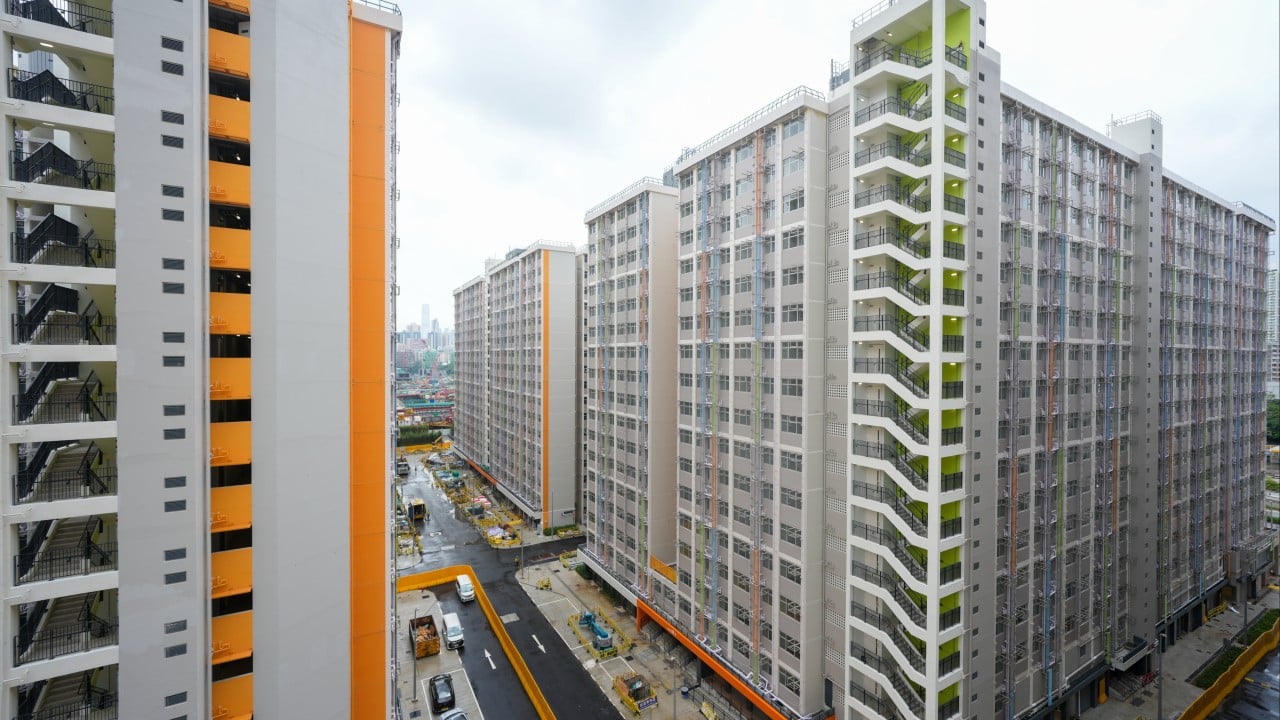
Clinical care accounts for a relatively small fraction of health outcomes. Most of what makes you healthy happens outside the doctor's office. It happens in the air you breathe, the water you drink, the safety of your neighborhood, and the quality of your housing.
If you live in an area with high air pollution, your risk of respiratory issues spikes. It does not matter how good your insurance is. You are fighting a constant battle against your surroundings. If your neighborhood has no safe places to exercise, you are forced to lead a more sedentary life. These are structural issues. They require structural solutions, not just more prescriptions.
Why Chronic Stress Kills Quietly
We often look for the big dramatic events—heart attacks or strokes—to explain early death. But the real culprit is often the slow, grinding accumulation of micro-traumas.
Look at the evidence from the Whitehall Studies, which observed British civil servants over decades. Those in lower-ranking positions had significantly higher mortality rates than those at the top, even when controlling for factors like smoking and diet. The difference? The feeling of control. The people at the top had autonomy over their work and their lives. The people at the bottom felt trapped by the systems they worked in.
That feeling of having no control is toxic. It changes how your brain processes threats. It makes you more reactive, more prone to anxiety, and less likely to engage in the kind of long-term planning that leads to better health outcomes. If you are struggling to survive the week, you cannot plan for your health in ten years. You are focused on the immediate. This is a logical, rational response to poverty, not a failure of character.
Breaking The Cycle In Your Own Life
If you are reading this and feeling helpless, stop. Yes, the system is skewed. But you can still fight back. You have to be strategic about where you spend your limited energy.
First, stop blaming yourself for every health hiccup. That guilt does more harm than good. Acknowledge that the playing field is not level. Once you accept that, you can focus on controlling the variables you actually have power over.
- Focus on community. Isolation is a major health risk. People with strong social ties consistently live longer, healthier lives. Find your people. Even if you are strapped for cash, building a network of support is a biological intervention. It lowers stress hormones. It provides a safety net.
- Prioritize sleep. It is free. It is the single most effective way to lower your allostatic load. If you are stressed, your sleep is likely the first thing to suffer. Protect your rest like it is your job.
- Advocate for your environment. Health is a political issue. If your neighborhood lacks green spaces or safe walking areas, talk to your local representatives. It might seem small, but local advocacy is where the biggest changes happen.
- Opt for bulk staples. If you are in a food desert, focus on buying basic, raw ingredients in bulk—beans, rice, oats, frozen vegetables—whenever you can afford it. Avoiding the high-cost, high-processed convenience foods is the single biggest dietary shift you can make.
Moving Beyond The Stigma
We need to stop framing health as a private, individual achievement. It is a public good. When we treat it as a luxury that only the rich can afford, we all lose. We lose productivity. We lose community members. We lose decades of human potential.
If you are a policy maker, a community leader, or just a neighbor, start asking why your local environment is not designed to keep people healthy. Why is there a liquor store on every corner but no grocery store? Why are the parks poorly lit? Why is the commute so punishing?
We have the resources to fix this. We just lack the collective will to prioritize the health of the vulnerable over the convenience of the privileged. The data does not lie. The gap is widening. It is time we stop acting surprised and start acting with urgency to rebuild the foundations of health for everyone, not just those who can afford the premium.
Your health is not just your bank account. It is your community, your environment, and your ability to demand better. Take control of what you can, and never stop pushing for a system that actually serves the people living in it.