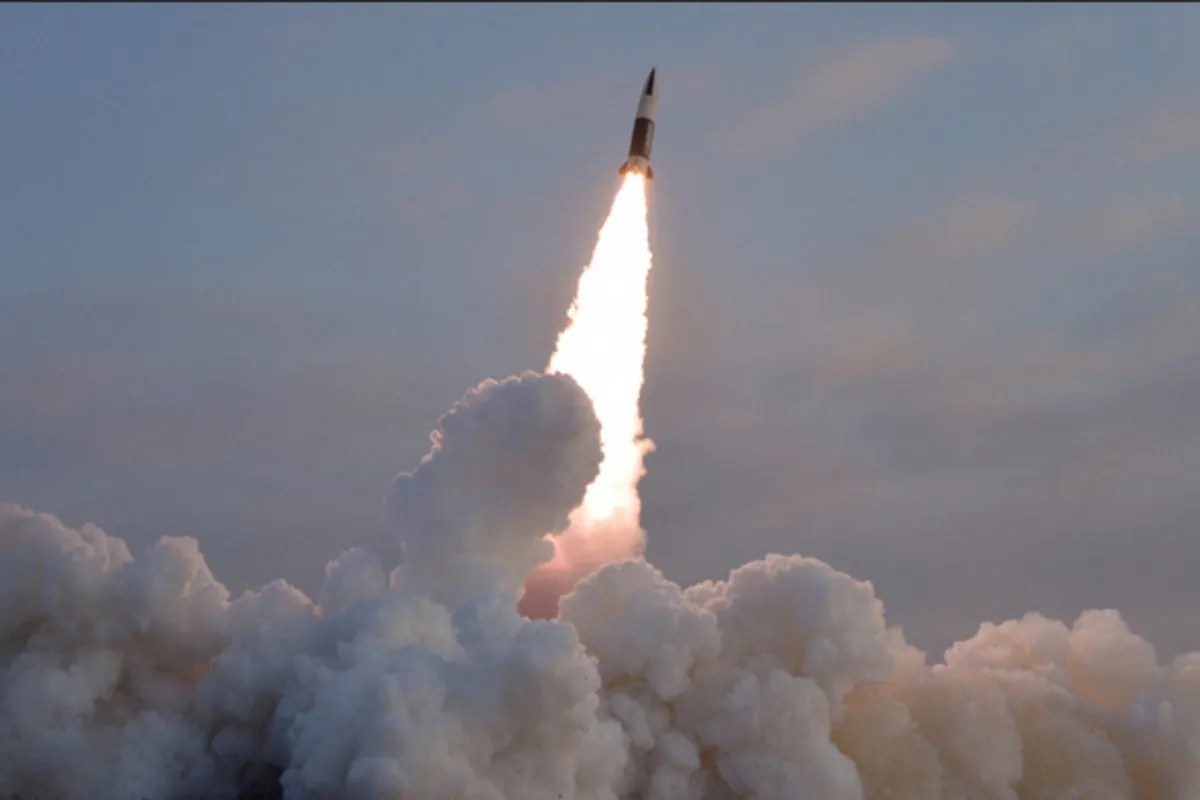
Ballistic missiles striking Aden Airport underscore how fragile Yemen's political map remains even during periods of diplomatic maneuvering. A surface-to-surface missile attack on a major transport hub does more than disrupt flights and damage concrete. It signals that Houthi forces retain long-range strike capabilities capable of reaching contested southern corridors, testing coalition air defenses and complicating humanitarian logistics. In a conflict marked by shifting alliances, fractured territorial control, and proxy calculations, an attack on Aden Airport carries weight far beyond the perimeter fence.
I have watched Middle East security crises unfold for over two decades, and one pattern repeats with grim consistency. Whenever talks gain traction or factions posture for leverage, vital infrastructure becomes a bargaining chip. Airports, ports, and oil terminals sit at the intersection of military utility and economic survival. Hitting one sends an immediate message to rival authorities, regional backers, and civilian populations alike.
Why Aden Airport Remains a High-Value Target
Aden serves as the de facto temporary capital for Yemen's internationally recognized government and a critical gateway into the country's south. Unlike Sanaa, which has long been under Houthi control, Aden sits in a contested environment shaped by competing local factions, regional patrons, and shifting security arrangements. Controlling or threatening access to such a hub alters the leverage of every actor involved.
Military planners rarely fire ballistic missiles without weighing strategic return against munition cost. Even when interceptor batteries blunt the damage or strikes fall short of high-value assets, the operational effect ripples outward. Airlines suspend routes. Aid agencies reroute shipments. Officials and diplomats face heightened risk every time they step onto a tarmac.
Infrastructure denial is a quiet multiplier in asymmetric warfare. You do not need to permanently level a runway to impose severe friction on an adversary. Occasional high-profile strikes force constant alert postures, drain defensive stockpiles, and remind local residents that safety in southern Yemen is never guaranteed.
The Geography of Contested Control
Southern Yemen is not a single, unified front opposing the Houthis. Local armed groups, rival political councils, and external backers often hold competing interests over territory, revenue streams, and security command. That fragmentation creates vulnerabilities that long-range strikes can exploit psychologically and politically.
When a ballistic missile arcs toward Aden, it exposes the seams between different security forces operating across the city and its surrounding provinces. Who controls air defense coordination? How quickly do emergency crews respond? Which political faction claims credit for resilience or blames another for perceived lapses? Every crisis tests internal cohesion just as hard as it tests hardware.
How Ballistic Missiles Fit the Houthi Playbook
To understand why ballistic missiles are used against hubs like Aden Airport, look at how Houthi military doctrine has evolved over years of protracted conflict. What began as an insurgency rooted in Yemen's northern highlands has matured into a force adept at combining drone swarms, cruise missiles, and ballistic systems. Precision varies by platform, terrain, and guidance package, yet the political shock value remains consistently high.
Ballistic trajectories compress warning times. Unlike slow-moving propeller drones that can be tracked over longer distances and engaged by multiple layers of defense, a ballistic missile climbs high and plunges downward at high speed. Even modern air and missile defense systems face tough geometry, radar clutter, and intercept cost ratios when defending sprawling civilian-adjacent infrastructure.
A single incoming missile alters daily calculus across an entire city within minutes, turning routine arrivals and departures into tense calculations of risk.
Critics sometimes treat missile launches purely as acts of desperation or reckless escalation. That reading misses the colder strategic logic. Long-range fire allows a faction to project reach far beyond its front lines without committing ground troops to costly urban assaults. It keeps pressure on rival capitals, tests enemy sensor grids, and demonstrates technological endurance despite years of sanctions and blockade pressures.
Limits and Trade-Offs of Long-Range Fire
None of this means ballistic strikes are a magic weapon. Missiles are expensive to build, assemble, or acquire, and launchers face counter-battery risks once positions are detected. Firing salvos at well-monitored hubs can reveal launch corridors, trigger retaliatory strikes, or harden international resolve against the attacking force.
There is also a persistent gray area around accuracy and intent. Military analysts routinely debate whether a given strike aimed at a specific tarmac section, a command facility, or simply sought broad disruption near an active transit node. Without verified debris analysis and full intelligence access, outside observers must separate confirmed impacts from unverified claims.
The Humanitarian and Economic Ripple Effects
The hardest-hit casualties of attacks on Aden Airport are rarely the political leaders trading statements in press briefings. Ordinary travelers, medical evacuees, families separated by war, and aid workers bear the immediate brunt when skies close or schedules turn unpredictable. In a country facing severe humanitarian strain, every bottleneck in transport carries human cost.
Consider a hypothetical example of a regional relief shipment carrying medical supplies and emergency generators scheduled to land in Aden. Even if the runway reopens within hours, flight crews may hesitate, insurance premiums can spike, and ground distribution schedules can slip by days or weeks. Multiply that delay across dozens of shipments over a season, and logistical friction turns into tangible hardship on the ground.
Supply chain fragility compounds every other crisis in Yemen. Ports, highways, customs checkpoints, and airports function as an interconnected web. When one node takes a hit—or faces the threat of one—pressure shifts onto alternative routes that may already be congested, taxed, or vulnerable to local disputes.
| Impact Dimension | Immediate Effect | Longer-Term Consequence |
|---|---|---|
| Aviation & Transit | Flight cancellations, diversions, and heightened security alerts | Higher travel costs, reduced connectivity, and lingering caution among carriers |
| Humanitarian Aid | Delayed arrival of personnel and time-sensitive cargo | Slower relief distribution and added strain on local clinics and depots |
| Political Dynamics | Urgent blame-shifting, emergency meetings, and security crackdowns | Deeper distrust among rival factions and tougher diplomatic bargaining |
| Air Defense Posture | Rapid interceptor expenditure and sensor reallocation | Faster wear on equipment and potential gaps elsewhere in coverage |
Regional Crosscurrents and Escalation Risks
Yemen's internal fractures have never existed in a vacuum. Regional powers view Red Sea and Gulf of Aden security through the lens of maritime trade, deterrence, and rival influence. A ballistic strike on Aden Airport inevitably reverberates beyond Yemen's borders because it touches vital shipping lanes, regional airspaces, and broader deterrence credibility.
Escalation in conflicts like this rarely moves in a straight line. One strike prompts an investigation, a diplomatic condemnation, or a military response, which in turn shapes how the next round of pressure is applied. Observers who look only at tactical events often miss the broader chess game of signaling and counter-signaling between regional capitals.
At the same time, overstating external control can be its own analytical trap. Local grievances, domestic power struggles, and homegrown rivalries drive much of what happens inside Yemen. Treating every missile or drone purely as a remote-controlled move from outside obscures how local actors use regional tensions to advance their own survival and dominance.
What Air Defenses Can and Cannot Solve
Modern air defense systems can save lives and protect key sites, yet no shield is leak-proof. Intercepting incoming threats requires early warning, reliable command-and-control links, sufficient interceptor inventory, and disciplined integration among forces on the ground. When forces are divided politically or operationally, coordination becomes far harder.
Even successful interceptions do not erase the strategic problem. Defense is reactive by nature; it responds after a launch has already occurred. Lasting stability around hubs like Aden depends on political settlements, credible security arrangements, and verifiable de-escalation rather than tactical interceptions alone.
Reading the Signals Behind the Headlines
When news breaks of ballistic missiles targeting Aden Airport, the smartest move for analysts, policymakers, and informed readers is to look past sensationalism and track concrete indicators. Watch how quickly airport operations resume, which units coordinate security afterward, and whether diplomatic channels freeze or harden their positions. Those details reveal far more about real leverage than dramatic rhetoric ever does.
Conflicts endure when key actors believe force or the threat of force still yields political dividends. Until rival factions and regional players find durable mechanisms to lower incentives for infrastructure strikes, transport hubs like Aden will remain on edge. Track the logistics, the alliances, and the air defense gaps—because that is where the real story of Yemen's next chapter is being written.