Justice took a long time arriving for the families of Callum Robinson, Jake Robinson, and Jack Carter Rhoad. When a Mexican court handed down a staggering 158-year prison sentence to each of the three men convicted of murdering the foreign surfers in Baja California, it closed a harrowing chapter on a crime that horrified international adventure travelers. Yet, the verdict leaves a heavy shadow over remote surf tourism and forces a harsh reckoning about safety along the Pacific coast.
If you followed the headlines back when the trio vanished in April 2024, you probably remember the sickening details. The Australian brothers and their American friend were camping near Ensenada, chasing waves in a rugged stretch of coastline famous for its raw, untouched beauty. They didn't stumble into an elaborate cartel crossfire. Instead, prosecutors proved they ran into opportunistic local criminals—led by a man known as "El Kekas"—who wanted to strip-mine their truck for parts and tires. When the surfers resisted, they were shot and dumped down a remote cliff-top well.
Inside the Ensenada Courtroom Drama
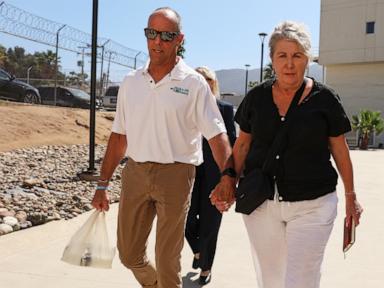
The trial itself was an emotional crucible. Martin and Debra Robinson, parents of the slain Australian brothers, flew from Australia to sit through weeks of agonizing testimony in Ensenada. They listened to forensic experts detail the exact clinical nature of the gunshot wounds. They heard how the killers tried to make the bodies disappear in a hidden shaft that took investigators hours to clear.
The three defendants—Jesus Gerardo, Irineo Francisco, and Angel Jesus—opted to roll the dice at trial rather than take earlier plea deals. That gamble failed spectacularly. Judge Raul Hernandez ruled that the men acted with clear premeditation during the botched robbery. While prosecutors pushed for an even steeper 210-year term, the final sentence of 158 years and nine months ensures none of these men will ever walk free again.
For the families, a guilty verdict brings a sense of institutional closure, but it doesn't change the baseline reality. As Debra Robinson noted outside the courthouse, a prison sentence doesn't bring her sons back.
Why This Case Terrifies the Global Surf Community
Surfers are a notoriously mobile tribe. Mention a secret point break or an isolated stretch of sand, and people will pack boards onto roof racks without a second thought. Mexico's Baja peninsula has long been a rite of passage for road-tripping wave hunters.
That culture of casual exploration took a massive hit here. It's easy to dismiss what happened as a freak occurrence, but it highlights a persistent vulnerability: traveling off the grid in remote regions means you are entirely on your own when things go sideways. Local police response times in isolated Mexican coastal zones can take hours, and cell service is often non-existent.
This isn't an isolated incident either. Veteran travelers still remember the 2015 murders of two other Australian surfers, Dean Lucas and Adam Coleman, in the state of Sinaloa. When violent crime intersects with adventure travel, it triggers a predictable wave of panic, forcing tourists to reevaluate whether paradise is worth the risk.
How to Protect Yourself on Remote Road Trips
You don't have to lock yourself inside a luxury resort to stay safe, but ignoring basic situational awareness in rural parts of Latin America is reckless. If you're planning a surf trip or an overlanding adventure down isolated coasts, keep a few hard rules in mind:
- Never camp totally alone in unmonitored spots. Pitching tents on empty, hidden beaches might look great on Instagram, but it makes you an invisible target for opportunistic criminals. Opt for established campgrounds, fenced properties, or trusted local eco-lodges whenever possible.
- Ditch high-end vehicle markers. Driving a pristine, heavily modified rig with expensive gear strapped to the outside screams wealth to locals struggling in extreme poverty. Blend in where you can.
- Establish daily check-ins. Always let someone back home know your precise itinerary, and use satellite messengers like Garmin in areas completely devoid of cellular coverage.
- Trust your gut over your FOMO. If a local spot feels sketchy or you notice people watching your camp too closely, pack up and leave immediately. Saving a surf session isn't worth your life.
The conclusion of the Baja trial offers a measure of legal accountability, but true safety comes from recognizing that remote landscapes demand radical caution. Respect the ocean, but respect the human element on land even more.