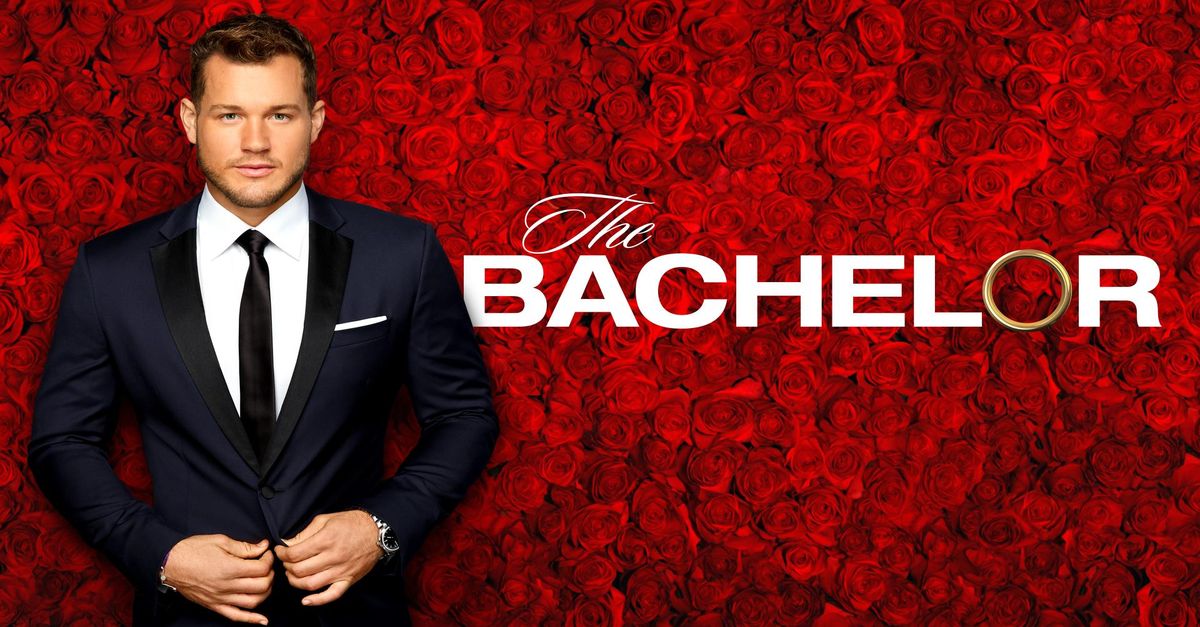
Every major entertainment outlet is treating the sentencing of Laura Owens as a neat, satisfying moral victory. A woman fabricated a pregnancy, dragged Bachelor alum Clayton Echard through a digital meat grinder, forged medical records, and finally caught a prison sentence for fraud and perjury. Case closed. Justice served. Everybody claps.
That narrative is lazy, self-serving nonsense.
Mainstream tabloid coverage loves a lone-wolf villain because a lone-wolf villain absolves the ecosystem that fed her. When reporters frame this case purely as the downfall of one manipulative fraudster, they ignore the structural rot of modern reality television, family court incentives, and outrage-driven media. Owens did not operate in a vacuum. She exploited a legal and cultural machine specifically designed to reward sensational accusations before a single shred of forensic evidence is ever verified.
If you look at the mechanics of how this hoax survived for over a year, you realize the sentencing is merely sweeping up broken glass while leaving the window wide open for the next grifter.
The Myth of the Isolated Con Artist
Let us dismantle the primary consensus of standard entertainment reporting right now. The prevailing take argues that this case proves the legal system works when a persistent victim fights back.
Wrong. This case proves the legal system is wildly outgunned by basic consumer technology and weaponized reputation destruction.
Clayton Echard spent hundreds of thousands of dollars in legal fees, lost brand partnerships, endured relentless online harassment, and watched his mental health crater—all to disprove a pregnancy that never existed. Think about that asymmetry. With a couple of ultrasound images pulled from the internet, a fabricated doctor’s note, and a willingness to lie under oath in Maricopa County Superior Court, an accuser can force a public figure into financial ruin before a judge even orders a standard paternity test.
I have spent fifteen years advising talent agencies and crisis management teams on high-profile reputation attacks. I have watched executives burn seven figures trying to scrub false allegations from search engines while their lawyers begged judges to simply enforce basic discovery rules. The playbook is always identical. An accuser drops a nuclear claim on a public forum or a Reddit thread. Entertainment blogs amplify it under the protective shield of "allegedly." The target is immediately presumed guilty by sponsors who cannot afford the PR friction. By the time a forensic expert proves the documents were altered in Adobe Acrobat, the career damage is permanent.
Calling this a triumph of justice is like praising a fire department for arriving after the house has burned to the foundation, arresting the arsonist, and handing the homeowner a bill for the water.
How Family Court Mechanics Reward Procedural Harassment
To understand why these schemes drag on for months instead of days, you have to look at the structural vulnerabilities of civil restraining orders and family court filings.
In most jurisdictions, obtaining an initial Order of Protection requires an extraordinarily low evidentiary threshold. Judges rightfully err on the side of caution to protect genuine victims of domestic abuse and stalking. However, bad-faith actors understand that civil dockets move at a glacial pace, and evidentiary hearings are routinely delayed by procedural motions.
- The Weaponized Continuance: A litigant can file an emergency petition, generate immediate press coverage, and then stall the actual presentation of medical records for months through attorney changes, sudden medical emergencies, or jurisdictional disputes.
- The Perjury Vacuum: Family and civil courts rarely prosecute perjury. Judges see lies every single day regarding hidden assets, substance abuse, and custody schedules. Because district attorneys lack the bandwidth to chase civil misstatements, serial litigants learn they can lie on sworn affidavits with zero criminal consequences.
- The HIPAA Shield: Accusers routinely hide behind medical privacy laws to delay turning over raw, verifiable healthcare records, forcing the accused party to file expensive motions to compel discovery while the public narrative hardens against them.
In the Echard case, the hoax only collapsed because the target refused to settle quietly and had the financial backing—and stubbornness—to fund deep-dive forensic litigation. Most targets do not have that luxury. They pay a five-figure nuisance settlement, sign a non-disclosure agreement, and let the extortionist walk away to find their next mark.
Why Entertainment Media Acted as an Unpaid Accomplice
Let us look at the second pillar of this failure: the celebrity news cycle.
When the allegations first surfaced on Reddit and spilled onto podcasts, entertainment journalists did not ask basic, skeptical questions. Nobody demanded verification of the supposed OB-GYN clinics. Nobody questioned why a twin pregnancy showed zero verifiable clinical progression over months of public sparring. Why? Because nuance kills click-through rates.
Modern digital media operates on an outrage arbitrage model. Publishing an unverified bombshell generates immediate traffic, social media engagement, and podcast downloads. Publishing a retraction or an update eighteen months later generates a fraction of that attention. Even worse, outlets hide behind the passive voice of aggregation—"documents obtained by," "a source claims," "according to court filings"—to launder unverified defamation into legitimate-looking headlines.
The Double Standard of "Believe" Culture in Tabloid Journalism
There is a massive difference between treating an accuser with basic human dignity and abandoning basic journalistic verification. When media outlets treat the existence of a civil court filing as proof of underlying fact, they turn the courthouse into a content farm for extortionists.
Consider the timeline of public perception in a reality TV scandal:
- Hour 1: An anonymous or semi-anonymous post hits a subreddit dedicated to The Bachelor.
- Hour 6: A mid-tier entertainment site summarizes the Reddit post as "developing news."
- Hour 24: Major outlets pick up the story, citing the mid-tier site. Brands quietly pause pending contracts with the accused talent.
- Month 14: Forensic computer analysis proves the ultrasound metadata is fraudulent. The major outlets publish a 300-word brief on a Friday afternoon.
Notice the imbalance. The accusation gets a megaphone; the exoneration gets a whisper.
Dismantling the Common Questions About Celebrity Pregnancy Hoaxes
When stories like this hit the news, audiences naturally gravitate toward simple, surface-level questions. Almost all of them miss the point.
Why didn't the court just force a DNA test immediately?
Because non-invasive prenatal paternity testing requires a verified pregnancy and the physical cooperation of the pregnant party. If a litigant claims to have suffered a miscarriage, refuses to appear at a certified collection facility, or submits tampered third-party lab results, a judge cannot physically drag them to a clinic without exhausting weeks of contempt proceedings. Delay is the fraudster's primary asset.
Does this prison sentence deter future reality TV scammers?
No. Deterrence only works on rational actors weighing risk against reward. Serial fabricators and extortionists operate on compulsive validation, vindictiveness, or short-term financial desperation. Furthermore, because criminal prosecution for civil perjury remains extraordinarily rare—this case required massive public pressure and undeniable digital forensics to reach a prosecutor's desk—the statistical odds of facing prison time for a fabricated civil claim remain near zero.
Should reality TV stars sign better legal protections before going on air?
Contracts cannot stop someone from filing a fraudulent court petition. Reality television networks already bury contestants under ironclad arbitration clauses and morality riders that protect the network, not the cast. The moment a scandal hits, the production company distances itself from the talent to protect advertisers. Cast members are left entirely exposed.
What Public Figures Must Actually Do to Survive a Hoax
If you are a public figure, an executive, or an influencer facing a fabricated accusation, conventional PR advice will destroy you. Standard crisis communicators will tell you to stay silent, issue a bland statement about "respecting the legal process," and wait for the truth to come out.
That strategy is suicide in an algorithmic media environment. Silence is universally interpreted as guilt, and the truth does not come out on its own—you have to drag it into the daylight with overwhelming force.
1. Pivot Immediately from PR to Forensic Litigation
Stop paying publicists to beg journalists for sympathetic coverage. Put every dollar into a litigation team that specializes in digital forensics and subpoena power. Do not negotiate nuisance settlements. If you pay an extortionist once, you are buying a subscription, not a resolution.
2. Force Discovery on Metadata, Not PDFs
Never accept a PDF, a screenshot, or a printed document from an opposing party in a high-conflict dispute. Demand native electronic files with intact EXIF and metadata, alongside direct third-party subpoenas to medical providers, telecommunications carriers, and financial institutions. Fraudsters are notoriously sloppy with file creation timestamps and IP logs.
3. Weaponize Radical Transparency
Once you have hard, verifiable proof of fabrication, do not wait for a quiet court hearing six months down the road. Put the forensic evidence directly into the public record via a formal court filing, then hand that unsealed filing directly to every reporter who covered the initial accusation. Force the media to confront the receipts.
The Uncomfortable Downside of Aggressive Counter-Litigation
There is a massive catch to fighting back the way Clayton Echard did, and anyone telling you otherwise is selling you legal services.
Going scorched-earth on a fraudster requires extreme financial liquidity and psychological endurance. You will spend money you will never recover—because people who run pregnancy hoaxes rarely have liquid assets waiting in a bank account to pay your restitution order. You will also invite relentless scrutiny into your own private life, text messages, and past mistakes, all of which will be dissected by internet strangers looking for reasons to call you the villain anyway.
Most victims simply cannot afford the price of proving their innocence. They take the reputational hit, change careers, and disappear from public view.
The Verdict Nobody Wants to Hear
Laura Owens will serve her sentence, legal commentators will praise the prosecutors, and Bachelor Nation will move on to the next manufactured romance on television.
Nothing structural has changed. Civil courts still allow unverified allegations to trigger immediate reputational ruin. Digital media still profits handsomely from amplifying unvetted smears. Reality television still chews up ordinary people, hands them fragile fame without infrastructure, and abandons them the second a scandal becomes unprofitable.
Until prosecutors routinely charge civil perjury and media outlets face real financial penalties for laundering unverified court filings into clickbait, this case is not a warning to scammers. It is a blueprint.