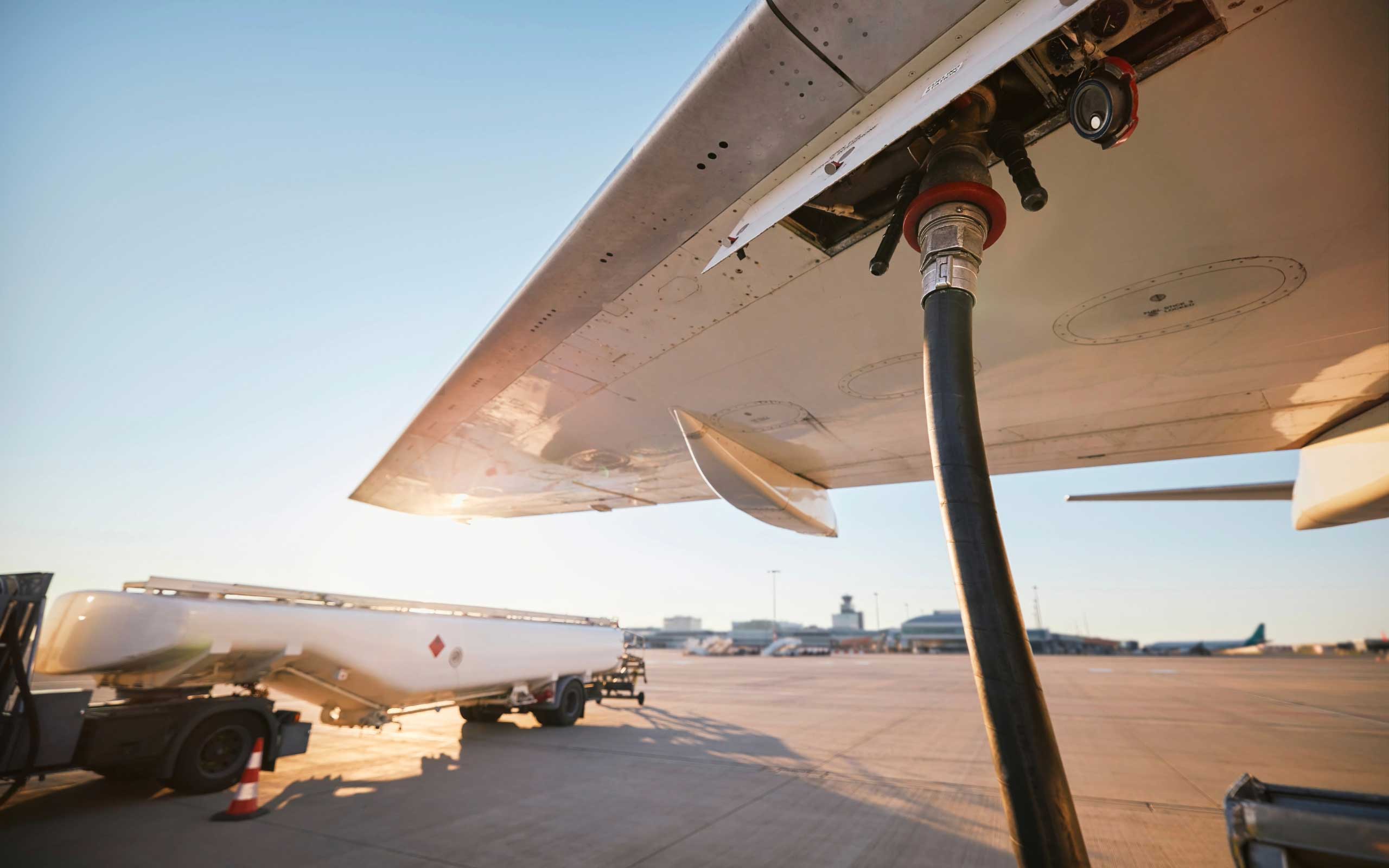
The global aviation industry is currently navigating a dual-axis crisis: a sharp escalation in the cost of input variables and a forced reduction in available seat kilometers (ASK). When geopolitical volatility in the Middle East—specifically involving Iran—disrupts crude oil supply chains, the impact on airlines is not merely a linear increase in ticket prices. It is a fundamental shift in the Break-Even Load Factor (BELF). Airlines are responding by retiring capacity and aggressively repricing inventory to protect cash flow, a maneuver that prioritizes unit revenue (RASK) over market share.
The Jet Fuel Volatility Multiplier
Jet fuel typically accounts for 25% to 35% of an airline's total operating expenses. However, the relationship between Brent Crude prices and airline profitability is disproportional due to the "crack spread"—the cost of refining crude oil into kerosene-type jet fuel. During periods of regional conflict, refinery premiums often spike faster than the price of crude itself.
The current surge in fuel costs creates a structural deficit in the marginal utility of long-haul flights. Airlines operate on thin net margins, often between 3% and 5%. A 10% sustained increase in fuel costs can effectively wipe out the annual profit of a mid-tier carrier unless immediate mitigation strategies are deployed. These strategies fall into three primary categories:
- Direct Surcharges: Implementation of fuel-indexed fees that bypass traditional fare buckets.
- Hedging Decay: Carriers that failed to lock in lower prices via derivative contracts (options or swaps) are now exposed to the spot market, creating a competitive disadvantage against well-hedged "legacy" carriers.
- Network Pruning: The elimination of routes where the variable cost of fuel exceeds the projected revenue from passenger demand.
Capacity Contraction as a Pricing Floor
The removal of millions of seats from the global market is a tactical supply-side intervention. By reducing the total number of seats available, airlines create an artificial scarcity that supports higher fare bases. This is not "price gouging" in a technical sense; it is an equilibrium adjustment.
The logic of capacity reduction follows the Cost Function of Aviation Operations:
$$Total Cost = Fixed Costs + (Variable Fuel Cost \times Distance) + (Labor \times Time)$$
When Variable Fuel Cost increases significantly, the total cost curve shifts upward. For many routes, the intersection of this curve with the Demand Curve (the price passengers are willing to pay) occurs at a volume lower than the aircraft's physical capacity. Rather than flying half-empty planes at a loss, airlines "blank" or cancel flights. This consolidates remaining passengers onto fewer aircraft, increasing the Passenger Load Factor (PLF) and ensuring that every gallon of fuel burned generates maximum possible revenue.
The Geography of Disruption
The Iranian conflict adds a layer of complexity beyond fuel prices: airspace circumnavigation. Avoiding Iranian and surrounding regional airspace requires longer flight paths for routes connecting Europe to Southeast Asia and India.
These deviations result in:
- Increased Fuel Burn: Every additional 30 minutes of flight time requires tons of extra fuel, further compounding the price shock.
- Crew Duty Limitations: Longer flight times can push crews past legal duty limits, requiring an extra pilot or cabin crew member, which increases labor costs.
- Equipment Utilization Decay: If a plane is in the air longer for the same route, it cannot be turned around for its next scheduled flight, reducing the total number of cycles the aircraft can complete in a 24-hour period.
This creates a "bottleneck effect" where even if fuel prices stabilized tomorrow, the operational friction of circumnavigation would keep fares elevated.
Consumer Elasticity and the Premium Shift
A critical variable in this crisis is the Price Elasticity of Demand. Leisure travelers are highly sensitive to price increases; as fares rise, they opt for shorter domestic trips or cancel travel entirely. Business travelers, conversely, exhibit lower elasticity.
Airlines are currently pivoting their inventory management systems to favor high-yield segments. By cutting "millions of seats" primarily in the economy and discount categories, carriers are reallocating their limited fuel resources to service the premium cabins. The strategy is clear: if an airline can only afford to fly 80% of its fleet due to fuel constraints, it will prioritize the 80% of routes and cabins that provide the highest margins.
Operational Risks and Strategic Limitations
The strategy of hiking fares and cutting seats is not without risk. Extended periods of high fares can lead to demand destruction, where the habit of travel is broken, leading to a long-term contraction of the market. Furthermore, cutting capacity often leaves airlines with "stranded assets"—expensive aircraft sitting on the tarmac still accruing lease and maintenance costs without generating revenue.
The second limitation is the labor market. Airline staffing is calibrated to specific capacity levels. Rapidly cutting seats while maintaining a workforce can lead to an "efficiency gap" where labor costs as a percentage of revenue spike, offsetting the gains made by higher ticket prices.
Technical Assessment of the Fare Hike Mechanism
Airlines utilize sophisticated Revenue Management Systems (RMS) that employ Bayesian forecasting to adjust prices in real-time. In the current environment, these systems are programmed to trigger "aggressive floor pricing." This means the lowest-priced tickets—usually sold months in advance—are being removed from the system entirely.
The "fare hike" reported by media is often the result of the system closing out the bottom five or six "fare buckets" (the alphanumeric codes like Q, K, or L that denote discount prices) and forcing all buyers into the "Y" or "J" buckets (full-price economy and business). This shift represents a move toward Price Skimming, where the airline extracts the maximum possible payment from those who must travel, acknowledging that they will lose the budget-conscious segment.
The Strategic Play
To survive a sustained fuel shock driven by Middle Eastern instability, airline treasuries must prioritize liquidity over aggressive expansion. The following actions are the only viable path for mid-to-large scale carriers:
- Dynamic Route Rationalization: Move beyond seasonal adjustments. Airlines must implement weekly reviews of route profitability, using real-time fuel spot prices as the primary filter. Any route failing to meet a 15% margin above variable costs should be suspended.
- Fuel Hedging Recalibration: Transition from simple swaps to "Collar" strategies that protect against extreme spikes while allowing some benefit if prices soften.
- Accelerated Fleet Renewal: The fuel efficiency of new-generation aircraft (e.g., A320neo, 737 MAX) is no longer a luxury but a survival requirement. The 15-20% fuel savings these models offer provides a buffer that allows these aircraft to remain profitable on routes where older models (A320ceo, 737NG) would operate at a loss.
- Ancillary Revenue Aggression: Since base fares are hitting the ceiling of consumer tolerance, airlines must unbundle remaining services even further. Charging for every touchpoint—from overhead bin space to priority deplaning—allows the carrier to keep the "advertised" fare lower while recovering the fuel margin through non-fuel-sensitive fees.
The industry is entering a phase of forced efficiency. The carriers that will emerge are those that view "seats" not as a product to be sold in bulk, but as a limited commodity to be auctioned to the highest bidder in a high-cost environment. The contraction of capacity is the primary tool for survival, and passengers should expect a permanent reset in the baseline cost of global mobility.