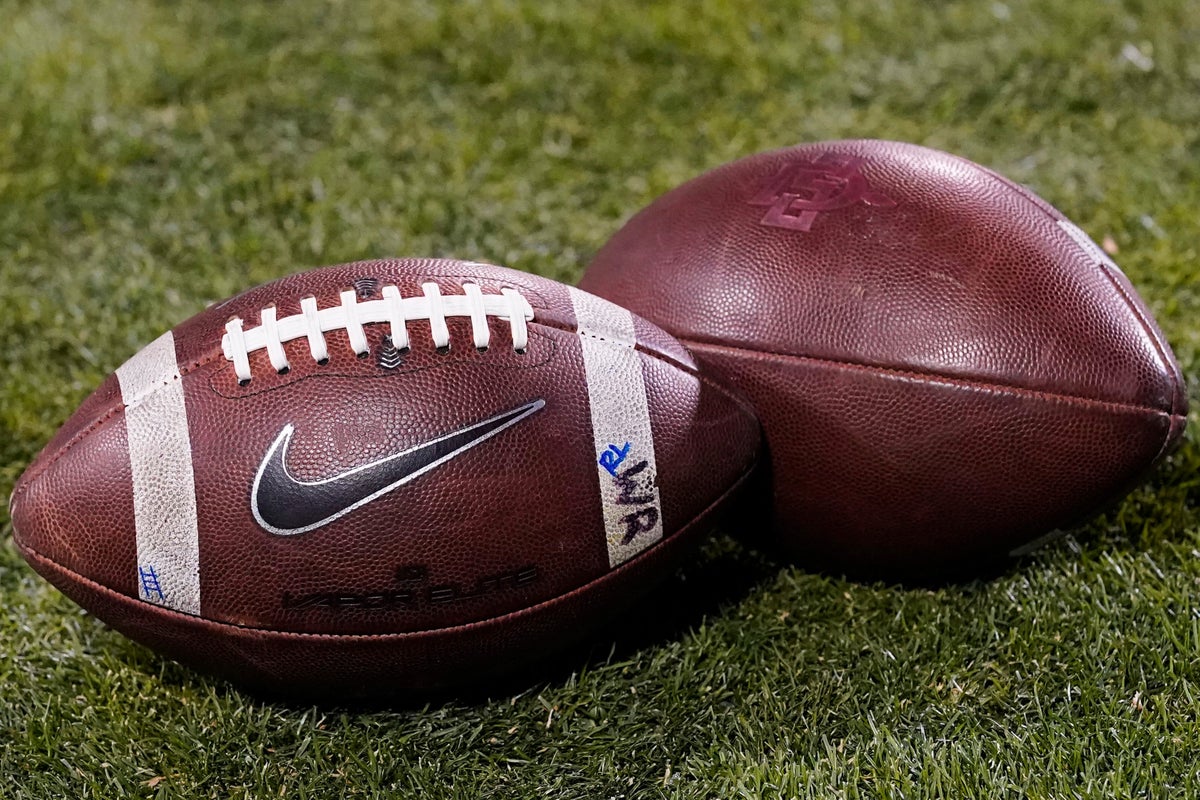
The Atlantic Coast Conference voted quietly to bar professional athletes from returning to college rosters, sealing the final perimeter of the collegiate athletic model against professional infiltration. Every major power conference now shares an identical defensive posture. When the ACC aligned with the SEC, Big Ten, and Big 12 to prohibit athletes who have signed professional contracts or entered major professional drafts from regaining amateur or collegiate eligibility, the collegiate sports ecosystem completed a defensive consolidation that has been decades in the making.
The door is shut. The era of professional liquidity between the professional ranks and campus athletic departments is over before it truly began. Meanwhile, you can read other stories here: When Football and Flags Collide Why Barcelona Rejected Spain's World Cup Tribute.
To understand why this legislation arrived now, you have to look past the high-minded rhetoric of academic integrity and student-athlete welfare. Conferences did not draft these rules to protect classroom attendance or preserve the purity of Saturday afternoons. They drafted them to protect balance sheets, insurance liabilities, and roster management models that are buckling under the weight of litigation and revenue sharing.
The Mechanics of the Exclusion
For decades, the boundary between professional sports and collegiate athletics was defined by a strict, albeit increasingly porous, amateurism framework. Athletes could test the waters of the NBA or NFL draft, retain an NCAA-certified agent, and return to campus if they withdrew their names before specific deadlines. That flexibility formed the backbone of career decision-making for elite basketball and football prospects. To explore the full picture, check out the detailed article by Sky Sports.
The new ACC policy changes the equation permanently. Under the updated bylaws, any athlete who signs a professional contract in any recognized professional league or declares for specific professional drafts without maintaining explicit NCAA protection mechanisms forfeits future eligibility. This mirrors the legislation already enacted by the other three major conferences over the preceding year.
The policy shift is a direct response to the normalization of professional alternative pathways and the chaos of the transfer portal era. When professional leagues began offering lucrative contracts directly to teenagers—through mechanisms like the NBA G League Ignite, Overtime Elite, international professional clubs, and newly emerging alternative football leagues—administrators realized they faced a new operational hazard.
Players could leave for a professional payday, spend a season earning six figures while playing against grown men, and then return to college basketball or football through the unrestricted transfer portal if their professional trajectory stalled. Athletic directors watched in horror as their programs risked becoming developmental waystations for players who owed no long-term loyalty to the institution, the conference, or the amateur concept.
The Financial Panic Driving the Boardrooms
The timing of the ACC vote is not accidental. College athletics is hurtling toward a July revenue-sharing model where athletic departments will directly distribute millions of dollars of television revenue to athletes.
Under the terms of the pending antitrust settlement in the House v. NCAA case, power conference schools will soon have the discretion to share up to twenty-two million dollars annually per institution directly with athletes. That money changes the math of campus sports entirely. An athlete receiving a substantial revenue-share payout from a university while also possessing professional league experience creates a complex employment and tax nightmare.
Conference commissioners and university presidents looked at the prospect of funding athletes with professional backgrounds and recognized a severe financial exposure. Professional athletes carry different insurance requirements. They command different legal representations. They view their participation through a labor lens rather than an educational one.
By slamming the door on professional returnees, the ACC and its peer conferences are attempting to draw a sharp legal line. They want to maintain that despite revenue sharing, despite name, image, and likeness compensation, and despite the dismantling of traditional amateurism, college sports remain distinct from professional minor leagues.
It is a legal fiction, of course. But in the courtroom, legal fictions are often the only armor athletic departments have left.
The Unintended Consequences for Elite Prospects
The closure of the collegiate fallback option alters the calculus for every elite high school athlete in America. For years, the safety net of college athletics allowed prospects to take calculated risks. A basketball player could enter the NBA draft process, test their stock, and retreat to campus if teams signaled they were second-round picks.
That safety net is gone.
High school seniors in basketball and football now face a stark binary choice at an earlier age than ever before. They can commit to the collegiate ecosystem, navigate the hyper-competitive transfer portal, and secure their compensation through name, image, and likeness collectives and impending revenue sharing. Or they can leap straight into the professional ranks, bypassing the campus experience entirely with zero guarantee of a soft landing if their professional development stalls.
This creates a high-stakes filtering mechanism. Elite prospects who are unsure of their immediate professional readiness will err on the side of caution. They will choose the college route earlier and stay put longer to avoid burning their eligibility bridges.
Conversely, players who choose the professional route will do so with the full understanding that they can never check back into a campus dorm room if things go sideways. The G League or international leagues just became much lonelier destinations.
The Antitrust Paradox
The most fascinating aspect of this synchronized conference ban is the antitrust vulnerability it exposes. For years, the NCAA and its member conferences have lost landmark antitrust cases because courts ruled that restrictions on athlete compensation and mobility violated federal law.
Now, the power conferences are collectively enacting rules that restrict the mobility of athletes who have earned a living in professional sports.
Legal scholars specializing in sports law are already scrutinizing the language of these bylaws. If an athlete plays professionally in Europe for a season, returns to the United States, and wants to enroll at an ACC university to play football while earning a degree, does a blanket ban on their participation constitute an illegal restraint of trade?
The conferences will argue that they have the right to define the composition of their competitive divisions and that academic institutions are under no obligation to admit athletes who have crossed the professional Rubicon. Whether that argument holds up against aggressive litigators representing talented athletes denied access to campus rosters remains to be seen.
The legal battlegrounds of college sports are shifting from compensation to access. The battle over who gets paid is settling into a managed corporate model. The new battle is over who gets to play at all.
The Death of the Second Chance
There is a quiet tragedy in this administrative sanitization of college sports. The collegiate model was historically celebrated, however imperfectly, as a place of second chances. It welcomed athletes who stumbled, players who left early and regretted it, and competitors who needed an institutional home after professional ambitions hit a wall.
By eliminating the return path, the ACC and the other power conferences have embraced a cold, corporate efficiency. Rosters are valuable real estate. Every scholarship and every dollar of revenue share is a finite asset to be optimized for immediate competitive return. There is no room on a modern power-conference ledger for a reclamation project coming back from a failed professional stint.
The collegiate athletic landscape has dropped its pretense. It is no longer an educational sanctuary that occasionally dabbles in high-level sports. It is a closed professional development circuit wrapped in institutional branding.
The door is locked from the inside, the deadbolt thrown by administrators who spent decades denying the reality of professionalization while secretly restructuring their entire enterprise to mirror it. The athletes standing on the outside now have to decide whether they even want to break the glass.


