When meteorologists start sounding alarms about an intense El Niño, half the planet treats it like background noise. Big mistake. If you live, invest, farm, or run supply chains in Asia, a strong El Niño isn't just a quirky Pacific ocean cycle. It's a pressure cooker on megacities, river basins, and food prices.
Look at why warnings from the World Meteorological Organization (WMO) and United Nations agencies carry so much weight right now. We aren't looking at a normal weather pattern operating in a vacuum. We're looking at El Niño stacking on top of a baseline climate that is already hotter and more volatile than any previous generation has experienced.
What Makes This El Niño Threat Different For Asia
Traditionally, El Niño shifts trade winds and pushes warm surface water eastward across the tropical Pacific. That shift rearranges atmospheric circulation across thousands of miles. For Asia, the classic fingerprint has long been drier-than-average conditions across parts of Southeast Asia, Indonesia, and the Philippines, paired with dangerous heatwaves in South and East Asia and erratic monsoon behavior.
Here is the catch that many quick headlines gloss over. A strong El Niño in a warmer world doesn't just repeat 1982, 1997, or 2015. Warmer oceans hold more moisture and energy, while higher baseline air temperatures raise the floor on heat stress. Even a moderate-to-strong ocean anomaly can push wet-bulb temperatures—the combination of heat and humidity where sweat stops cooling human skin—closer to dangerous thresholds in dense urban centers.
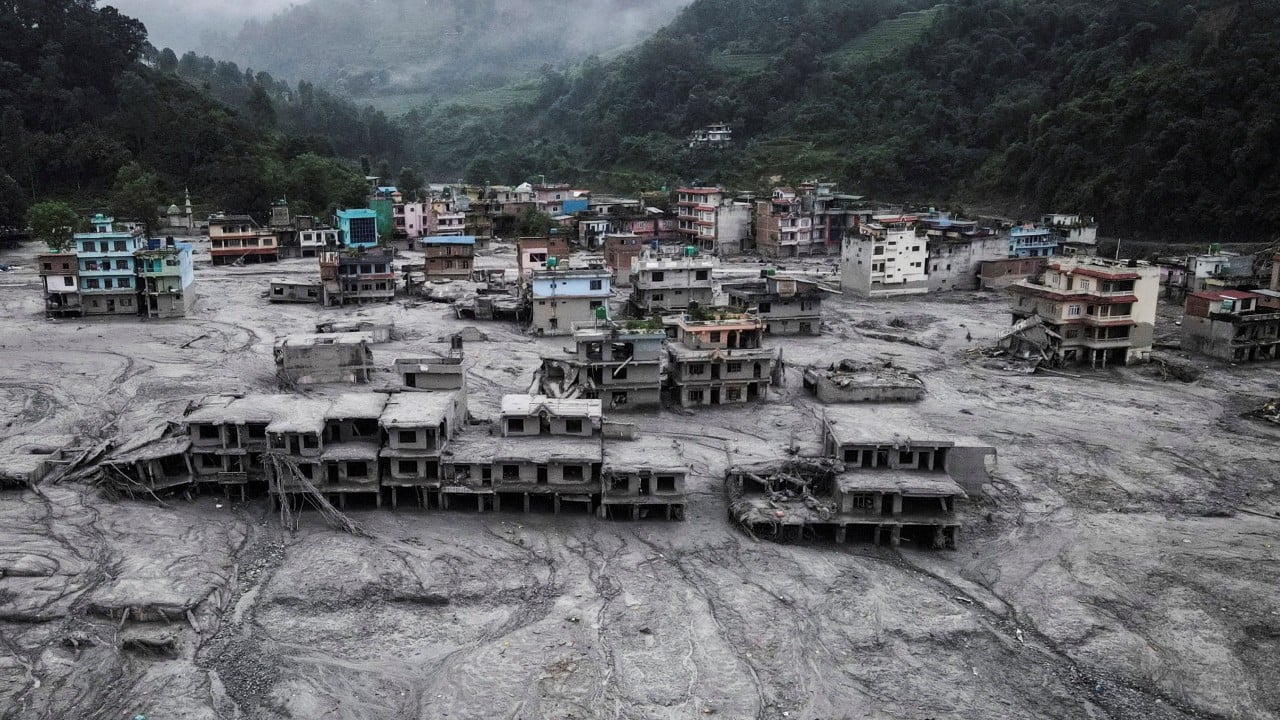
Honestly, people still think of El Niño as a drought story first and foremost. That's only half the picture. In parts of East Asia and along shifted storm tracks, heavy rainfall bursts and localized flooding can hit regions that were parched weeks earlier. Weather whiplash is rough on infrastructure, and Asia has plenty of aging drainage and flood defenses stretched thin by rapid urban growth.
According to climate tracking from the World Meteorological Organization and food security assessments from the Food and Agriculture Organization, the biggest danger rarely comes from one isolated weather event. It comes from compound shocks: dry reservoirs lowering hydropower output right when air-conditioning demand spikes, or heatwaves hitting crops during flowering stages just as export bans start getting discussed.
Why Extreme Heat And Drought Hit Hardest In South And Southeast Asia
I've spent years watching how weather shocks ripple through Asian supply chains, and the pattern is frustratingly consistent. Governments prepare for the obvious disaster after it happens, rather than stress-testing the fragile links in between.
Take heat first. South Asia already faces blistering pre-monsoon and summer heat in many years, and El Niño tends to amplify dry heat across large stretches of India and neighboring regions. When daytime highs climb past 42°C or 45°C for days on end, outdoor construction workers, agricultural laborers, and informal street vendors take the brunt of it. Indoor cooling helps if you have reliable power and an AC unit. If you don't—or if rolling blackouts hit during peak afternoon loads—heat exhaustion turns into a public health emergency fast.
Then look at Southeast Asia. During strong El Niño phases, rainfall deficits often bite into Indonesia, Malaysia, and the Philippines. Dry peatlands and parched forests become tinderboxes, raising the odds of transboundary haze from land and forest fires. That smoke doesn't stay local. It drifts across borders, spikes respiratory clinic visits, grounds flights, and clogs ports with poor visibility.
How Food Prices And Water Systems Feel The Squeeze
Rice, wheat, palm oil, coffee, and sugar don't care about political borders. They care about soil moisture, irrigation timing, and temperature extremes during critical growth windows.
When reservoir levels drop in major agricultural basins, farmers face a brutal choice. Pump more groundwater—often at higher electricity or diesel cost, driving aquifers deeper into deficit—or cut planted area and accept lower yields. Even when a national harvest only dips by a few percentage points, global food markets react to expectations and policy moves. Export restrictions or stockpiling by major producers can send ripple effects through import-dependent economies within weeks.
Water stress hits industry and energy just as hard. Hydropower supplies a big share of electricity in several Asian countries. Low inflows mean less hydro generation at the exact moment hot weather drives up cooling demand. Utilities end up leaning harder on thermal power or expensive spot liquefied natural gas (LNG) imports, which pushes power bills higher for households and factories alike.
A common mistake is assuming a drought only hurts farmers. When reservoir water runs low and power grids strain, a textile plant, semiconductor fab cooling loop, or port logistics hub can feel the squeeze just as acutely.
Where Floods And Storms Still Catch Communities Off Guard
It sounds backward until you look at how atmospheric waves move. While parts of South and Southeast Asia often dry out during El Niño, shifting jet streams and moisture transport can bring heavy rain events to parts of East Asia, including southern China, Japan, or the Korean Peninsula, as well as pockets of South America and elsewhere.
Soil that has baked under intense heat or heavy seasonal swings doesn't absorb sudden downpours well. Flash floods can overwhelm storm drains in hours, while landslides threaten steep hills and mountain highways. If a reservoir is held high to hedge against future dry spells and a sudden storm arrives, dam operators face a tense balancing act between flood control downstream and water storage for the months ahead.
Coastal zones face their own headache. Storm surges paired with high tides can push saltwater further inland along low-lying deltas, contaminating freshwater intakes and salinizing agricultural plots. Once salt gets into shallow wells or rice paddies, recovery takes time and money that smallholders rarely have on hand.
Common Myths About El Niño That Trip People Up
Let's clear up a few misconceptions that keep catching businesses and households flat-footed.
- Myth 1: Every El Niño brings the exact same weather to every province. Not even close. El Niño shifts probabilities and tendencies, not a rigid script. Two strong El Niño events can produce noticeably different regional rainfall patterns depending on other ocean drivers like the Indian Ocean Dipole.
- Myth 2: Once El Niño peaks, the danger is over. Wrong. Peak sea surface temperature anomalies in the Pacific often happen around late autumn or early winter, while the worst agricultural, water storage, and health impacts in Asia can lag by months.
- Myth 3: Air conditioning solves the heat problem. Only partially. AC cools one room while dumping heat outside, straining local grids, and leaving millions of low-income workers and renters unprotected.
- Myth 4: Rain automatically fixes a drought. A single heavy storm after months of dry heat often runs off hard ground instead of recharging deep groundwater or large reservoirs.
Practical Moves You Can Make Right Now
Whether you're running a business, managing a household budget, or planning operations across the region, waiting for disaster declarations is a losing play. Here's what actually helps when a strong El Niño is brewing:
- Audit your water and power exposure. If you operate facilities, farms, or logistics hubs in Asia, check backup power capacity, water storage reserves, and supplier locations that rely on single river basins or rain-fed crops.
- Diversify sourcing before prices spike. Don't rely on a single country or port for heat- or drought-sensitive commodities. Mapping secondary suppliers early gives you leverage before everyone scrambles at once.
- Update workplace heat safety. Shift outdoor or uncooled work to cooler hours where possible, enforce hydration and rest breaks, and keep clear protocols for heat illness—especially during sudden heat spikes.
- Build cash and inventory buffers for volatility. Sudden spikes in food, freight, or energy costs squeeze working capital fast. Having a realistic buffer beats panic-buying at peak prices.
- Follow official meteorological and humanitarian advisories. Track updates from national weather agencies, the World Meteorological Organization, and the UN Office for the Coordination of Humanitarian Affairs rather than relying on viral social media claims about "record-breaking" storms or droughts.
Extreme weather doesn't hit everyone equally, and El Niño rarely plays fair. The earlier you spot where your daily life or business is exposed to heat, water, or price swings, the more room you have to adapt before the squeeze arrives.