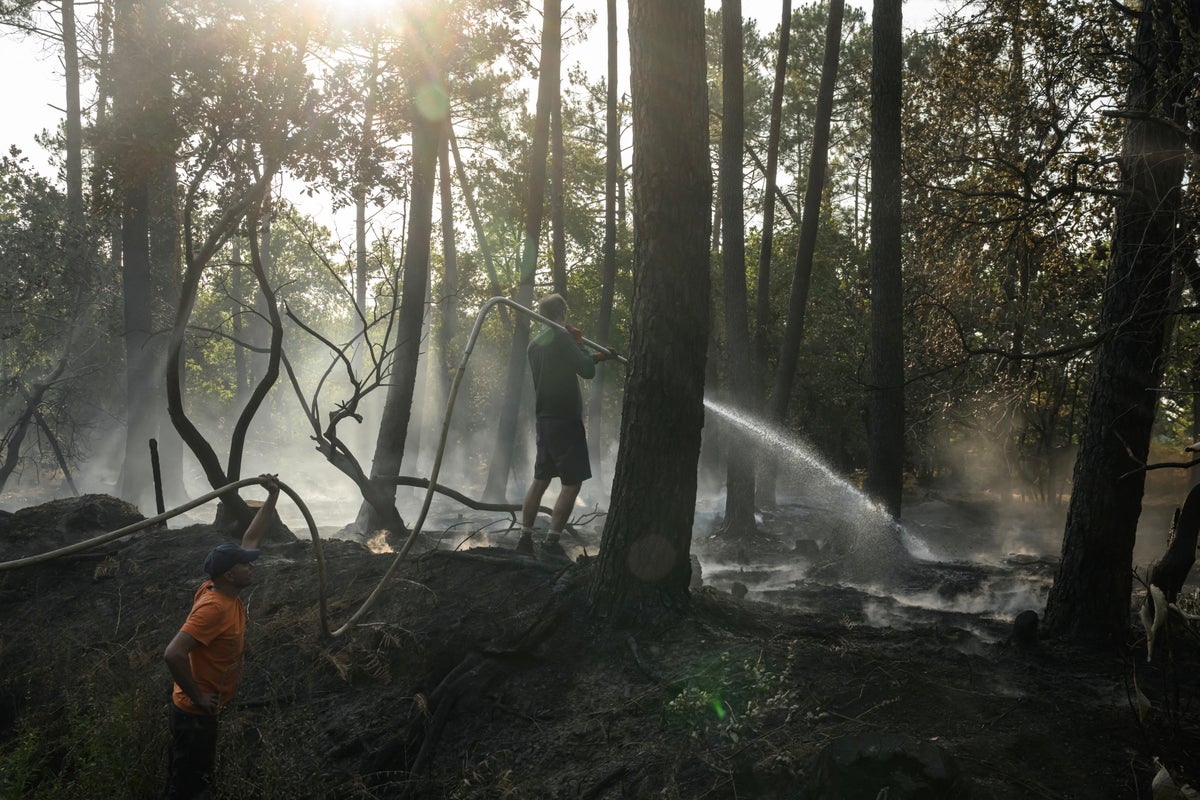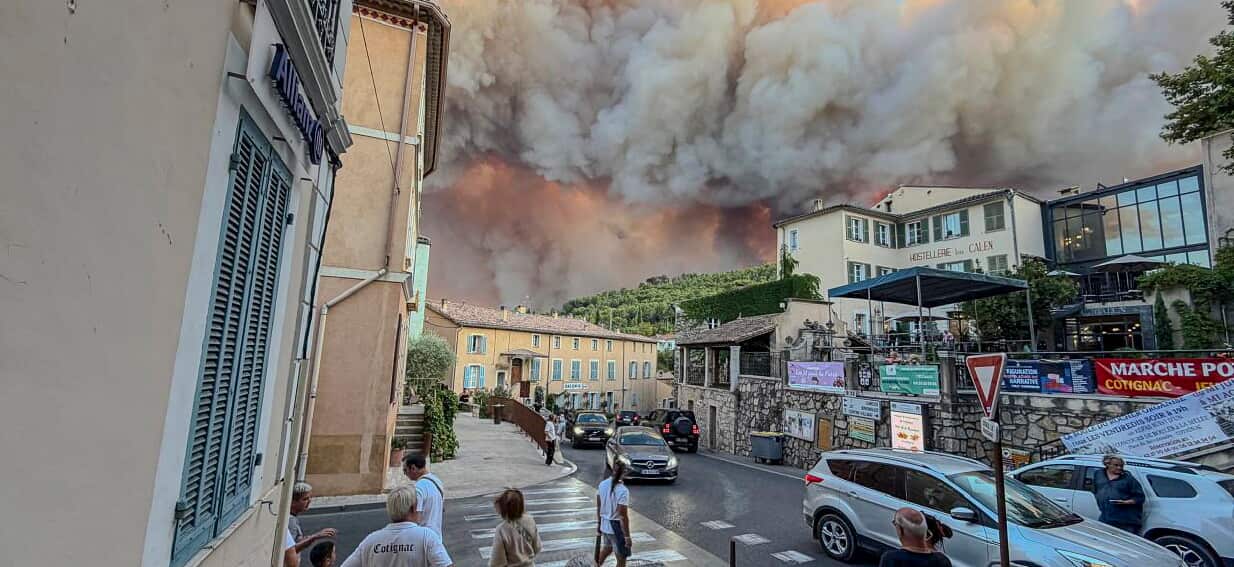
The air in Athens did not smell like a vacation. It tasted like an old bonfire built with wet leaves and melted plastic, a low, persistent acridity that clung to the back of the throat long after the sun dipped behind the Parthenon.
For months, the brochures had promised cobalt blue and blinding whitewash. They spoke of tavernas spilling out onto sun-drenched cobblestones and ferries cutting through glass-clear waters toward islands where time supposedly forgot to move. The glossy pages did not mention the amber haze filtering through the olive groves. They did not show the horizon bruised by a charcoal smudge that grew thicker with every passing afternoon.
Travelers arriving at the airport rolled their suitcases past kiosks displaying maps of ancient ruins, completely unaware that a few dozen miles away, an invisible wall of heat was shifting the geography of their holiday.
The Distance That Lies
We tend to measure distance in miles on a map, but when fire moves across a landscape, distance becomes a cruel illusion.
Consider a hypothetical traveler named Liam, stepping out of a taxi into the narrow, labyrinthine streets of a Peloponnese village. He is holding a digital boarding pass for a ferry to a picturesque island scheduled for tomorrow morning. His phone buzzes with a generic weather notification warning of elevated temperatures. It sounds routine. Temperatures fluctuate. Summer is hot.
What Liam cannot see from his rented balcony is a crown fire tearing through dry pine forest twenty miles to the north, driven by dry winds that feel less like a breeze and more like the breath of an open furnace door. The air pressure drops slightly. A flock of swallows panic, darting erratically between stucco chimneys.
Most people make a fatal calculation in this exact moment. They assume that because the flames are not licking at their doorstep, they are safe. They look up at a pale, smoked-out sky and mistake the distance for insulation. They plan their dinner. They check the menu for moussaka. They believe the emergency alerts blaring on local radio channels are meant for someone else—for farmers, for locals, for insurance adjusters—not for the tourists who paid thousands of euros for a passport stamp and a week of uninterrupted peace.
This is the big mistake.
When the Map Rewrites Itself
The modern vacation is an exercise in carefully curated detachment. We book flights months in advance, locking in dates, hotel rooms, and rental cars with the rigid precision of a military campaign. We construct a mental bubble where disruption is a minor inconvenience like a delayed flight or a lost piece of luggage.
Wildfires do not respect itineraries.
When Mediterranean summer heat waves collide with prolonged drought, entire regions transform overnight. Roads that served as scenic coastal drives become choked with evacuation traffic. Ferries are redirected to rescue stranded residents and visitors from remote beaches. Cellular towers melt or lose power, cutting off the fragile digital umbilical cord that keeps modern travelers tethered to translation apps, booking confirmations, and family back home.
Imagine standing on a sun-bleached pier as the wind suddenly reverses direction. The smoke, previously a distant painting in the sky, rolls down the hills in a heavy, opaque wave. The ferry you were waiting for is not coming. The road you drove in on is blocked by police tape and glowing embers.
Panic does not arrive with a cinematic explosion. It arrives as a slow, sickening realization that your carefully organized life has no jurisdiction here.
Insurance policies become bureaucratic puzzles when terms like "discretionary travel" and "official evacuation order" clash in the fine print. Many standard travel insurance packages purchased by international visitors exclude coverage for disruptions caused by natural disasters if the trip was booked after an advisory was issued, or they fail to cover non-refundable accommodation costs when flights remain technically operational. The financial fallout of being stranded in a rural European village while flights are grounded or re-routed can bleed bank accounts dry before consular assistance even answers the phone.
The Weight of the Unseen
We travel to escape the predictability of our daily routines, yet we demand absolute predictability from the places we visit. We want the adventure, but we want it shrink-wrapped. We want the romance of ancient ruins without the ancient realities of a harsh, unforgiving climate.
When the Greek islands or the hills of southern Europe burn, the tragedy belongs first to the people who live there—to the olive farmers whose generational groves turn to ash in minutes, to the firefighters working forty-hour shifts without sleep, to the communities watching their history dissolve into the stratosphere.
For the traveler, the tragedy is often compounded by profound unpreparedness.
People step off planes in lightweight linen shirts and canvas shoes, carrying rolling luggage that cannot handle gravel paths, let alone a sudden foot-escape through falling ash. They pack passport copies on their phones instead of paper. They assume that Wi-Fi is a fundamental human right available in every canyon and cove.
When the power grid fails, their entire navigation system goes dark.
It is easy to judge from a distance. We watch news broadcasts of stranded tourists on European beaches and shake our heads. Why didn't they leave sooner? Why didn't they check the local news?
Because the system trains us not to look. Tourism marketing is designed to soothe, not alarm. It sells escapism, which requires an active suspension of reality. To acknowledge that the destination you are flying toward is currently grappling with ecological collapse feels like breaking a spell.
The New Geography of Exploration
Travel is changing. The old rules of seasonal planning are disintegrating under the weight of shifting global temperatures.
If you are packing your bags for a European summer, the most important item in your luggage is not a universal adapter or a better camera lens. It is flexibility coupled with radical awareness. It is the willingness to abandon a non-refundable hotel reservation the moment the wind shifts. It is knowing the local emergency numbers by heart, keeping cash on hand because card readers require electricity, and recognizing that no Instagram photo is worth breathing superheated carbon monoxide.
The smoke eventually clears. The ash settles into the soil, feeding the next cycle of growth in a land that has known fire since the dawn of time.
The question is whether we, as travelers, will learn to read the signs before the sky turns black.
Look past the brochures. Listen to the wind when it changes direction. Respect the distance, not as a barrier of safety, but as a warning that time is shorter than you think.
The ferry is leaving. The hills are glowing. And the world as we knew it yesterday is already gone.