Climate adaptation strategies for municipal utilities are collapsing under the weight of compressed statistical return periods. When precipitation volumes shatter multi-decade records, long-term capital expenditure schedules designed for incremental degradation cease to function. This operational analysis deconstructs the structural breakdown of municipal stormwater management following unprecedented extreme weather, examining why multi-decade modernization horizons must be compressed.
The Mechanics of System Saturation
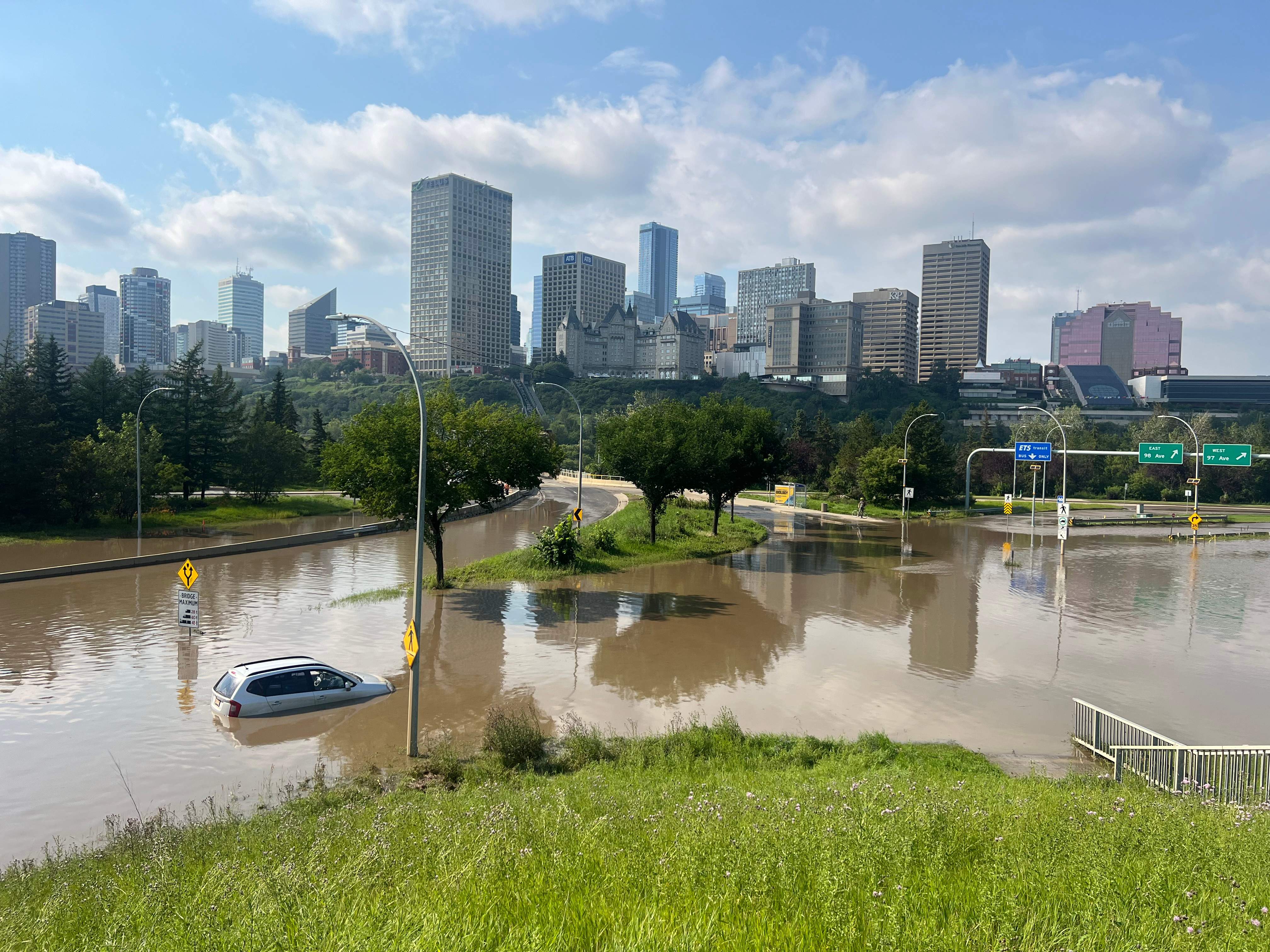
Municipal drainage networks operate on design capacities derived from historical meteorological baselines. When Environment Canada logs more than 500 millimeters of cumulative precipitation across a compressed two-month window, the foundational assumptions of these designs fail.
The hydraulic failure mechanism operates through three distinct stages:
- Infiltration Capacity Exhaustion: Continuous storm frequency drives the water table to the surface. Once sub-surface soil reaches 100% saturation, zero additional moisture can be absorbed, shifting 100% of subsequent rainfall directly into surface runoff.
- Conveyance Bottlenecking: Runoff volumes exceed the physical cross-sectional area of subterranean pipes, culverts, and municipal outfalls.
- Asset Erosion: Undersized hydraulic structures, such as restricted culverts on expanding waterways like Horseshoe Creek, experience exponential increases in sheer stress velocity, causing structural washouts of critical transportation corridors like 137 Avenue.
Standard planning assumes temporal recovery windows between peak precipitation events. Without weeks of dry weather to allow groundwater levels to recede, consecutive storms compound system pressure, creating compounding urban flood events.
The Capital Expenditure Dilemma
Utilities face a rigid financial optimization problem when attempting to fast-track long-term master plans. Edmonton’s existing flood mitigation roadmap outlines a 20-year, $1.6 billion capital layout. Approximately $350 million has been executed, focused primarily on dry ponds, pipe maintenance, and catch basin clearance. Compressing this timeline creates immediate trade-offs across three financial variables:
- Ratepayer Affordability: Rapid capital deployment requires front-loading debt service costs, directly translating into steep utility rate spikes for residential and commercial customers.
- Execution Friction: Civil engineering work is bound by labor availability, supply chain constraints for heavy industrial piping, and physical disruption to municipal traffic corridors.
- Asset Stranding Risk: Designing infrastructure for worst-case hydrological anomalies risks over-allocating capital to hyper-specific geographic pinch points at the expense of network-wide redundancy.
Municipalities cannot simply inject billions of dollars into the ground overnight without inducing severe community-level economic friction and fiscal strain.
Data Transparency and Predictive Maintenance Deficits
A critical vulnerability exposed during extreme weather anomalies is the latency of public asset telemetry. Shifting drainage management from municipal control to corporate utilities often creates friction regarding open data access. When historical asset tracking—such as maintenance logs, erosion reports, and pipe diameter capacity metrics—is sequestered behind corporate or municipal gatekeepers, external engineering oversight fails.
Proactive asset management requires open telemetry channels. If community groups and independent hydrologists cannot monitor the operational status of secondary culverts or localized detention basins, municipal authorities lose the benefit of decentralized hazard identification. Preventative interventions depend entirely on real-time data ingestion, allowing asset managers to remediate undersized infrastructure before catastrophic failure occurs.
Prioritizing Vector Remediation
To successfully transition from a reactive posture to an accelerated resilience framework, municipal asset allocators must abandon uniform capital distribution. Infrastructure investments must be re-indexed using a strict risk-weighting matrix:
- Isolate High-Velocity Erosion Points: Prioritize immediate capital injection into natural watercourses intersecting critical municipal transit arteries where culvert failure isolates entire residential zones.
- Decouple Sub-surface Saturation Dependencies: Shift engineering investments toward distributed green infrastructure, including expanded permeable surfaces and high-capacity dry ponds designed to intercept runoff before it enters the primary trunk sewer system.
- Institutionalize Open Telemetry: Mandate public data access for all drainage metrics, maintenance reports, and capacity thresholds to enable continuous third-party algorithmic modeling and community-level oversight.
Accelerating capital expenditure schedules requires accepting higher near-term fiscal outlays to avoid exponential disaster recovery costs down the line. The window for gradual asset modernization has closed; municipal survival now demands aggressive, data-validated front-loading of structural resilience engineering.