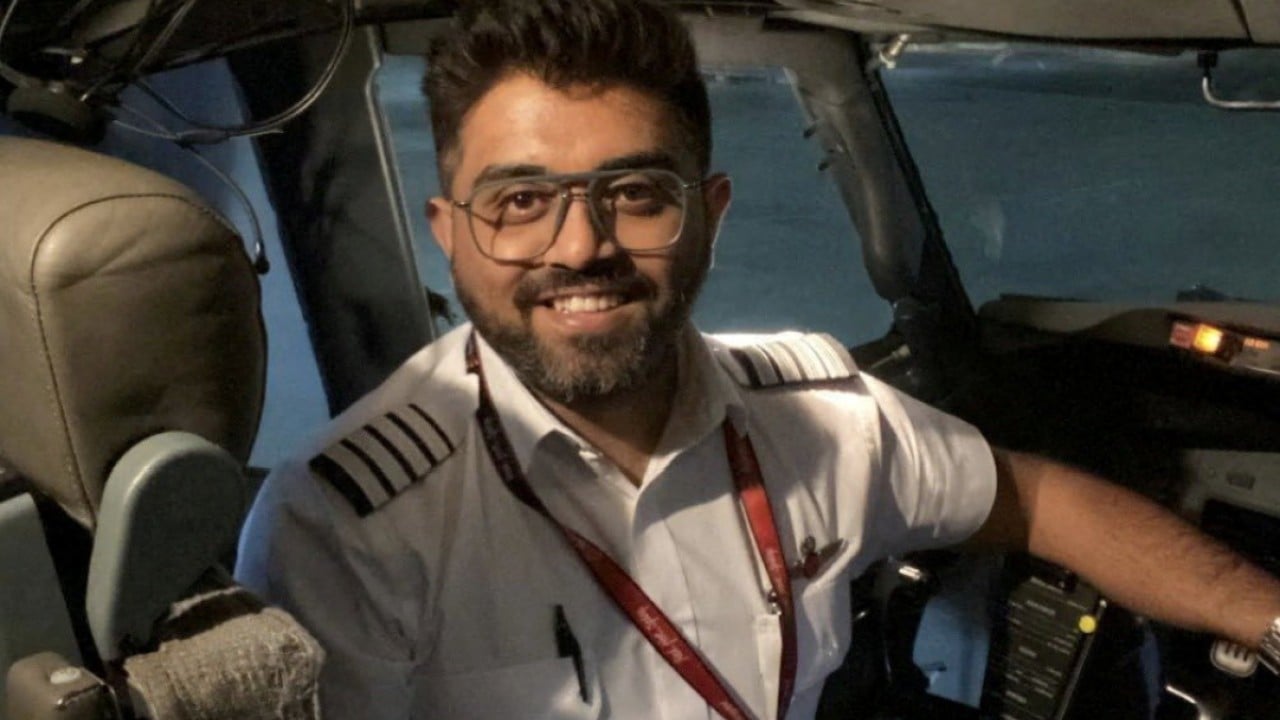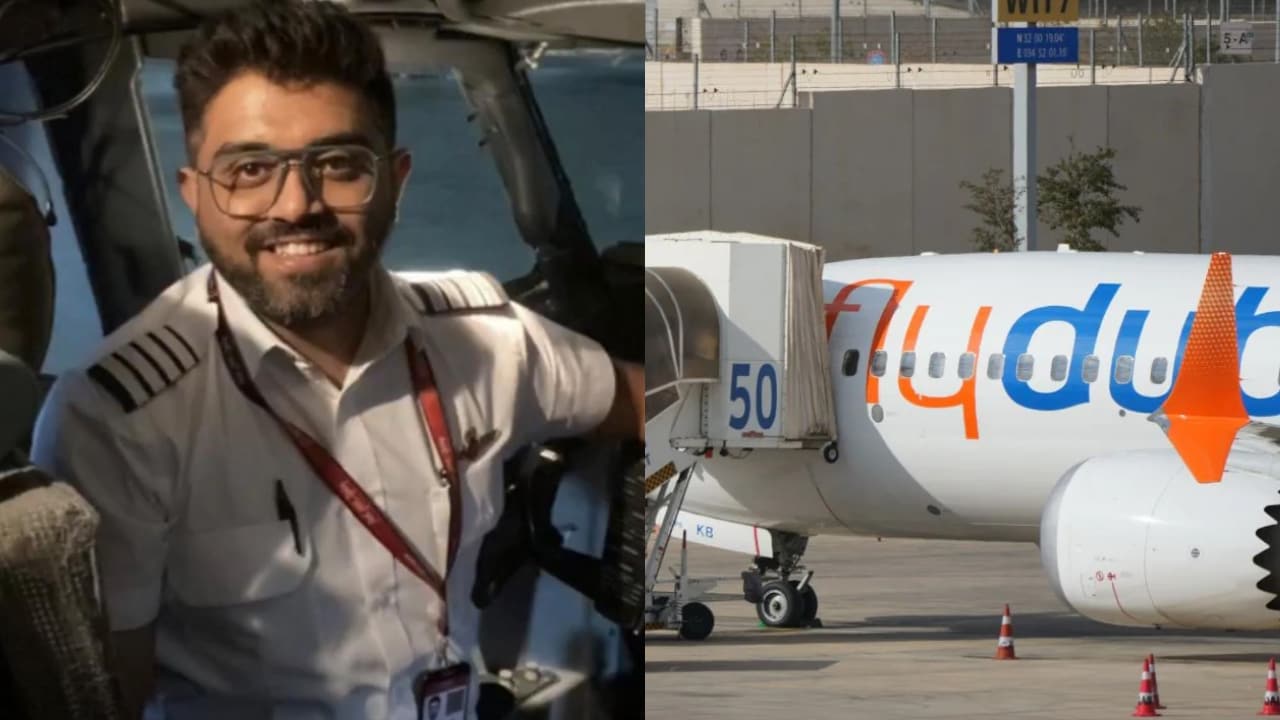
Commercial aviation security assumes a binary security model: threats originate externally via hijackers or system failures, while the flight deck remains a trusted, insular core. When flydubai Flight FZ1073 from Dubai to Tel Aviv experienced an insider threat—wherein the first officer initiated a violent physical assault on Captain Smit Machchhar mid-flight—that structural assumption failed. The survival of 174 passengers did not rely on automated safety protocols or pre-planned threat matrices for internal cockpit violence. It depended entirely on immediate physical countermeasures, manual system stabilization under cognitive overload, and real-time crisis leadership executed within a restricted spatial environment.
The taxonomy of an insider cockpit assault creates an acute operational breakdown. Standard cockpit resource management protocols presume cooperation, shared workload distribution, and reciprocal emergency verification. When one crew member turns hostile, the foundational redundancy of a two-person flight deck instantly inverts into a single point of failure. The attacker possesses equal physical access to flight controls, communication channels, and navigation systems while occupying a position of absolute tactical advantage over the pilot flying or monitoring.
Under conditions of sudden physical trauma—such as the strikes sustained by Captain Machchhar—cognitive processing bandwidth narrows precipitously. Acute stress triggers tunnel vision, auditory exclusion, and a severe drop in fine motor skill coordination. In the case of Flight FZ1073, the kinetic struggle inside the flight deck threatened to destabilize the aircraft's aerodynamic envelope while traveling at cruising altitude. The immediate operational priority shifted from standard navigational compliance to flight-envelope protection and physical compartmentalization.
The mechanics of regaining control required a simultaneous dual-front effort: physically neutralizing the threat to prevent catastrophic control inputs and maintaining basic aircraft stability. Modern narrowbody aircraft like the Boeing 737 operate under complex automated flight management systems, but sudden, erratic manual interference demands immediate intervention to disconnect or override compromised automation loops. The physical architecture of the flight deck—cramped, obstructed by yokes, rudder pedals, and center consoles—magnifies the difficulty of defensive maneuvering.
Compounding the physical danger was the subsequent barrier breakdown. Reports of the incident indicate that the cockpit door mechanism became a critical tactical pivot point. In post-9/11 aviation security frameworks, reinforced flight deck doors are explicitly designed to withstand high exterior force to prevent unauthorized entry. However, when an incapacitation or internal crisis occurs, these hardened barriers can inadvertently transform the cockpit into an isolated isolation chamber, complicating emergency access or passenger assistance. The ability of the wounded pilot to manually manipulate access from the interior floor highlights a vital, under-analyzed vulnerability in modern aircraft security design: the tension between exterior threat exclusion and interior crisis egress.
Systemic resilience in commercial aviation historically focuses on threat profiling, background checks, and psychological screening. Yet, psychometric evaluations cannot predict every acute psychological break or ideological radicalization vector mid-career. Consequently, risk mitigation must pivot from predictive prevention alone to architectural and procedural containment.
Evaluating the structural response to this event points toward three mandatory operational modifications for global carriers. First, flight deck procedures must account for internal non-compliance, moving beyond the assumption that both pilots operate with aligned intent. Second, cockpit physical design metrics require review to ensure that rapid internal intervention or egress is viable even when electronic locking systems or structural panels are compromised during a physical struggle. Third, training curricula must integrate high-stress physical defense and compartmentalization tactics tailored specifically to the confined geometry of a commercial flight deck.
Safety margins in high-reliability organizations are preserved not by eliminating anomalous failures, but by building sufficient redundancy to absorb them when they occur. The outcome of Flight FZ1073 demonstrates that individual resilience can bridge the gap when institutional safety architecture fails, but structural reliance on individual heroics remains an unacceptable operational risk.
A flight deck safety breakdown analysis video
This video provides an operational breakdown of the cockpit confrontation aboard the flydubai flight and details the technical challenges faced by the flight crew.