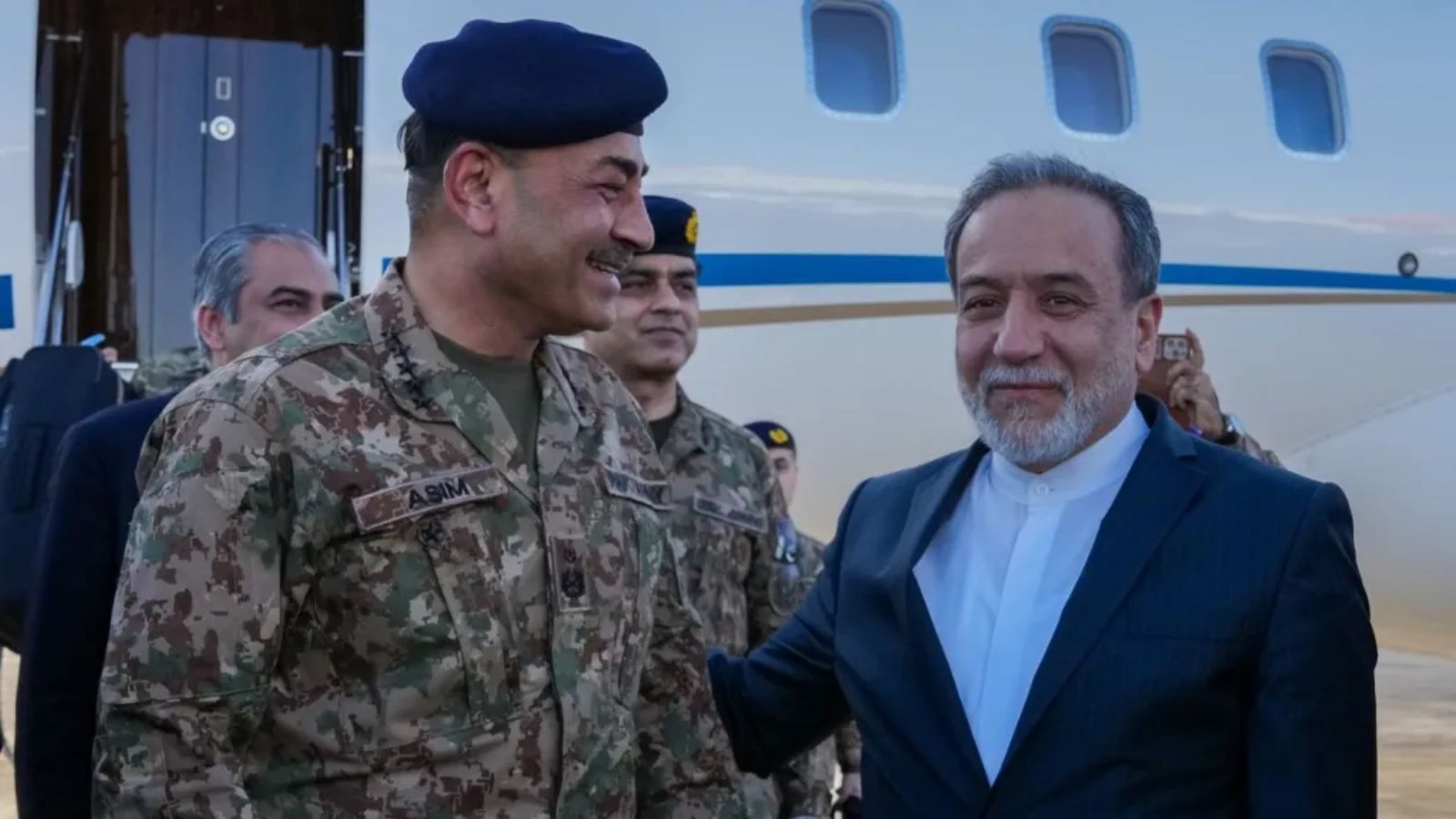
Diplomatic stalemates between Washington and Tehran are rarely artifacts of mere miscommunication; they are rational outputs of divergent cost functions, domestic electoral pressures, and structural leverage calculations. When Iranian Foreign Minister Abbas Araghchi and Pakistan Army Chief Field Marshal Asim Munir engage in high-level consultations regarding regional security and stalled US-Iran channels, they are operating within a constrained bargaining space defined by asymmetrical penalties. Understanding why these negotiations remain deadlocked requires examining the systemic incentives governing each actor.
The Asymmetric Payoff Matrix
The structural friction of the current crisis stems from a fundamental divergence in objectives. Washington pursues an enforcement strategy anchored in maritime isolation, sanctions pressure, and the degradation of nuclear infrastructure. Tehran, facing sustained economic containment, calculates its optimal response function through temporal endurance and strategic leverage in critical maritime chokepoints like the Strait of Hormuz.
From Iran's perspective, immediate concessions under duress carry prohibitive domestic political costs. The clerical establishment treats the removal of primary economic sanctions as a non-negotiable prerequisite rather than a prospective reward for phased compliance. Consequently, diplomatic channels managed through intermediaries face an immediate structural bottleneck: neither side possesses an incentive to blink first when domestic political calendars—such as the US midterm elections—frame time as a weapon rather than a resource.
The Mechanics of Third-Party Mediation
When direct bilateral communication channels degrade, third-party state actors step in to minimize miscalculation risks. Pakistan occupies a unique position in this architecture, balancing strategic security commitments in the Gulf with contiguous geographic and diplomatic ties to Tehran.
The utility of a mediator like Islamabad lies in its capacity to transmit credible signals without forcing either primary adversary to lose face through direct backchannel leaks. Field Marshal Asim Munir’s diplomatic engagements in Tehran focus on managing operational thresholds—such as exploring technical compromises on uranium stockpile dilution or monitoring frameworks—while preventing maritime skirmishes from escalating into broader regional theater conflicts. However, intermediaries are structurally limited by the inflexibility of the principals. A mediator can transmit terms, but cannot manufacture political will where core ideological and strategic survival metrics dictate resistance.
The Economic and Security Spillover Cost
The prolongation of the conflict introduces severe systemic costs across West Asia, transforming bilateral friction into a multilateral crisis.
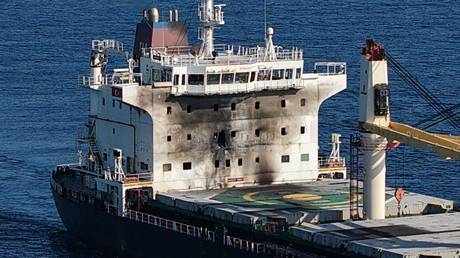
- Maritime Disruptions: Disruptions in the Strait of Hormuz directly threaten global supply chains, driving up insurance premiums and forcing rerouting protocols that disadvantage energy-importing economies.
- Proxy and Regional Alignments: Escalating security dynamics compel regional states, including Saudi Arabia and Turkey, to recalibrate their defense architectures, creating a complex web of overlapping deterrent pacts that further constrain Tehran's strategic latitude.
- Nuclear Infrastructure Thresholds: The persistent debate over enrichment ceilings—such as historical baselines around 3.67 percent versus higher enrichment stockpiles—remains the central technical tripwire. Every cycle of escalation narrows the window for a negotiated technical workaround.
Strategic Forecast
The trajectory of the current diplomatic impasse depends entirely on whether either Washington or Tehran experiences a shift in its internal risk threshold. As long as Iran calculates that endurance yields political dividends against external pressure, and as long as Washington views its enforcement mechanisms as sustainable, formal talks will remain transactional rather than transformative. Intermediary diplomacy will function strictly as a tactical valve to prevent total systemic collapse, rather than a vehicle for a permanent regional settlement.