The coffee at the corner bar in Trastevere is always hot enough to burn your tongue, but the talk on a Tuesday morning in Rome usually centers on things much harder to swallow.
Across the cobblestones, under the shadow of limestone palazzos that have seen empires rise and republics fracture, ordinary citizens read the headlines with a familiar, weary shrug. Another law. Another system. Another promise that this time, finally, the government will actually be able to govern.
To understand what just happened in the Italian parliament, you have to look past the dry legal jargon of electoral thresholds and constitutional mechanics. You have to look at a country that has cycled through nearly seventy governments since the end of the Second World War. Imagine standing on a bridge watching boats drift aimlessly because every time the crew agrees on a destination, the captain is thrown overboard. That has been Italy’s political reality for decades. Fragile coalitions cobbled together from disparate ideological fragments, collapsing at the first whisper of dissent.
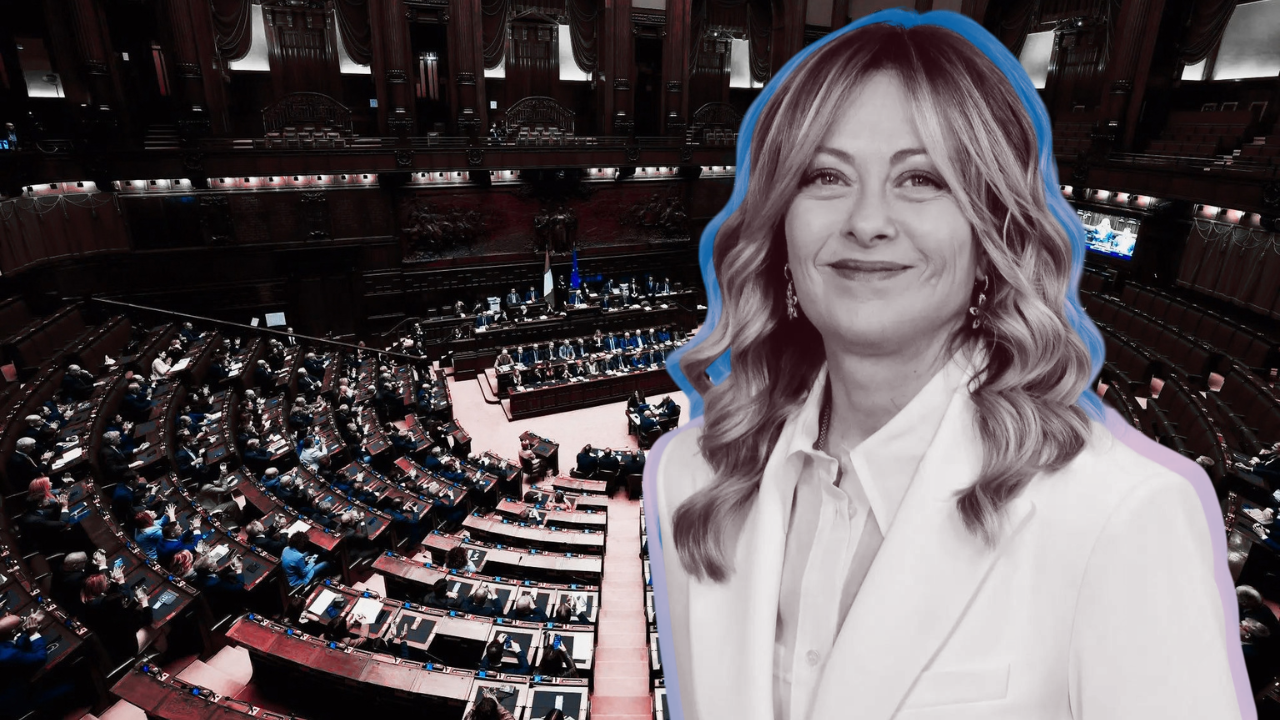
Prime Minister Giorgia Meloni looked at that revolving door and decided to break the mechanism.
The reform she pushed through parliament is not merely a technical adjustment to ballot papers. It is a profound reshaping of how power is won and held in the Mediterranean. At its core is a stark, unyielding number: forty-two percent.
Under the new electoral framework, any coalition or party that manages to secure forty-two percent of the national vote is automatically gifted a decisive parliamentary majority. Sixty percent of the seats in parliament, to be precise.
Efficiency. Stability. Control.
The proponents of the bill call it a shield against political paralysis. They argue that a modern democracy cannot function when governance is held hostage by tiny fringe parties wielding veto power from the margins. In a hypothetical neighborhood assembly trying to fix a crumbling roof, you do not hand a veto to the person who only cares about the color of the front door. You empower a clear direction so the rain stops coming in. That is the populist pitch. Clear lines. Immediate accountability. If the government fails, the voters know exactly who to blame.
But walk a few blocks away toward the Tiber, into the offices of constitutional scholars and opposition lawmakers, and the mood shifts from weary acceptance to deep alarm.
Democracy, critics argue, is messy by design. It is supposed to be slow. It is meant to reflect the fractured, beautiful, contradictory desires of an entire population, not manufacture a synthetic consensus through a numerical shortcut. By guaranteeing a massive legislative bonus to a plurality that falls short of an absolute majority, the system risks flattening the delicate architecture of checks and balances.
Consider the mathematics of it. A party or alliance wins four out of every ten votes cast. Not a majority of the electorate. Not even close. Yet, under this new law, they inherit the keys to six out of ten parliamentary seats.
Power. Concentrated. Amplified.
This is where the invisible stakes reveal themselves. Politics is rarely just about who wins today; it is about the rules left behind for whoever takes over tomorrow. When the political pendulum swings—as it inevitably does in a vibrant, restless society like Italy—the very tool built to protect a conservative government today could easily be seized by a different ideological force tomorrow.
The debate touches a nerve that goes back to the founding of the republic. Italy’s post-war constitution was deliberately engineered to prevent the rise of a single dominant authority. The scars of the twentieth century were fresh, and the framers wanted a system where consensus was mandatory, where no single faction could easily capture the machinery of the state.
Meloni’s supporters counter that the old world is dead. In an era of rapid economic shifts, global supply chain shocks, and digital-age crises, the luxury of endless parliamentary negotiation no longer exists. Speed matters. Decisiveness matters. The old consensus model, they say, produced stagnation.
The air in the piazza cools as the afternoon shadows stretch long across the stone. An elderly man folds his newspaper, lays it on the café table beside an empty espresso cup, and watches a flock of pigeons scatter across the square. He has lived through the collapse of the First Republic, the rise and fall of countless technocratic cabinets, the endless promises of reform. He knows that laws on paper are only as durable as the trust of the people beneath them.
The votes are counted. The threshold is set. The architecture of Italian democracy has shifted its weight, testing a new foundation built for speed over compromise.
The rain will still fall on Rome, and the coffee will still be hot tomorrow. But the rules of the game have changed, and the true test of this bold new machinery is waiting just over the horizon, where history is written not by the laws passed in parliament, but by the citizens who have to live with them.