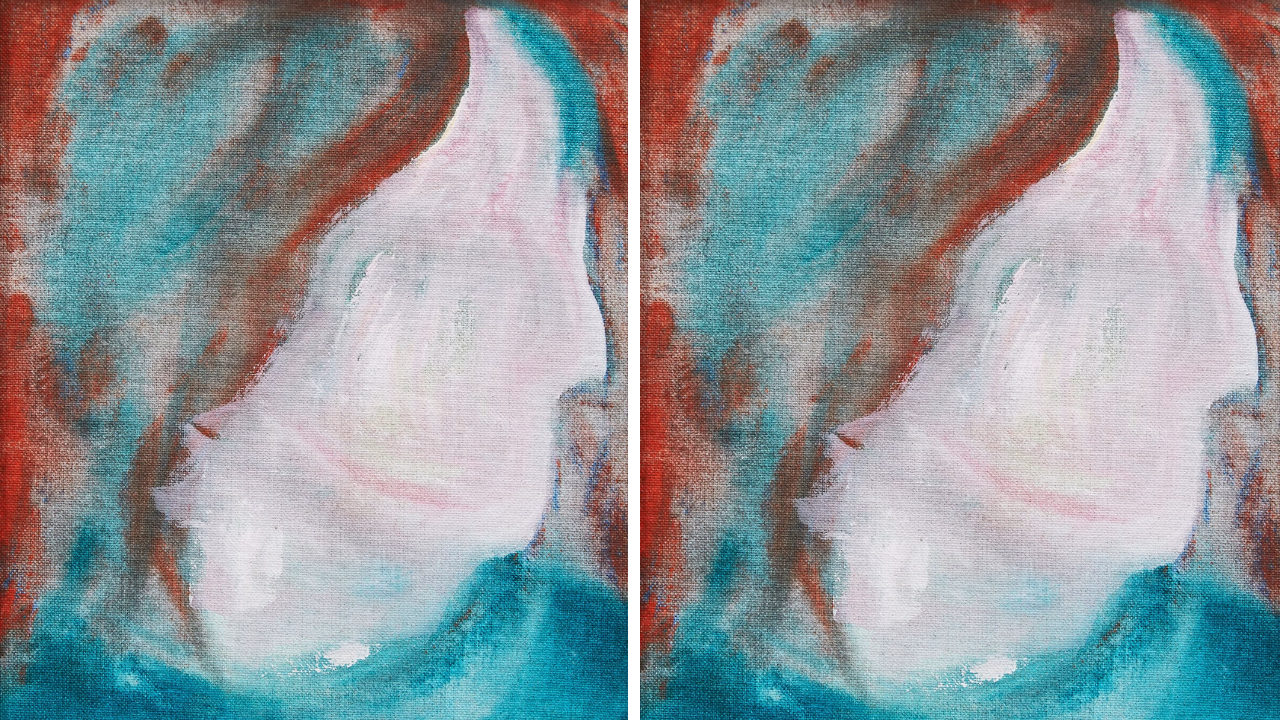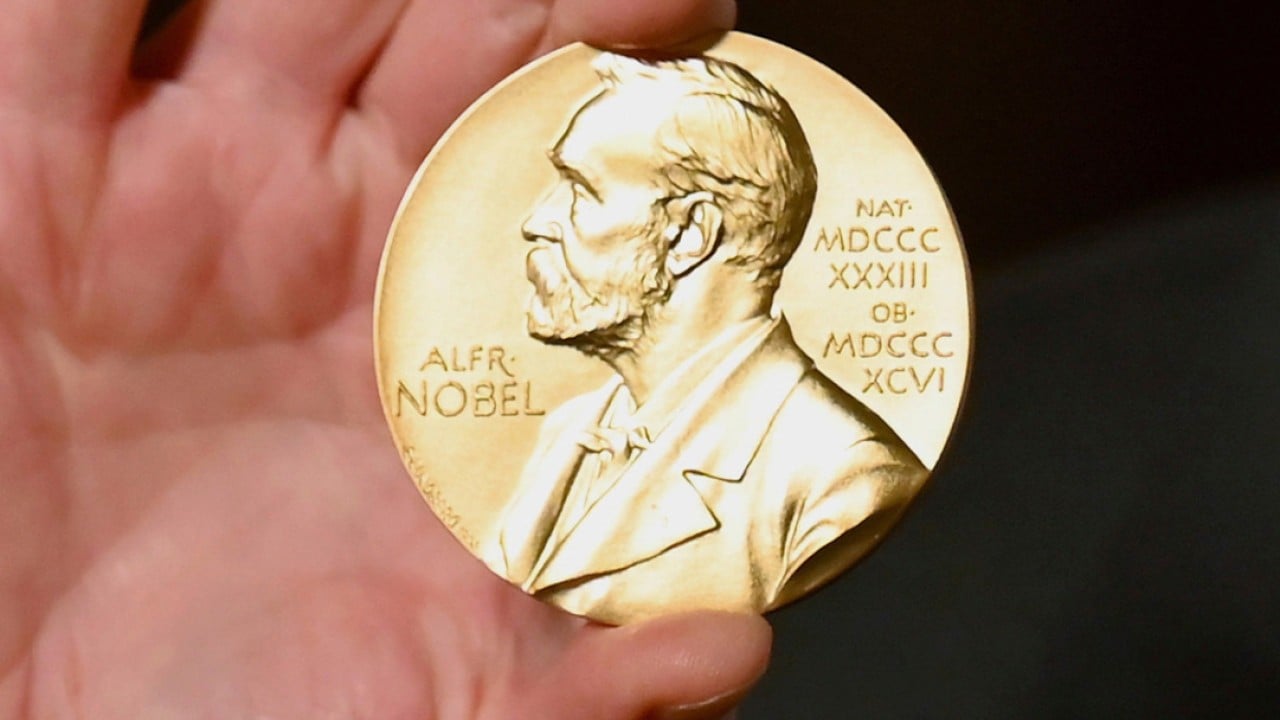
The committee in Stockholm just handed Anne Carson the 2026 Nobel Prize in Literature, and the literary establishment is predictably hyperventilating with joy. Twitter is a synchronized liturgy of praise. Critics are scrambling to dust off their highest-register adjectives, treating the announcement as a triumph for high art, poetic rigor, and classical erudition.
It is none of those things. It is a white-flag surrender.
By crowning Carson, the Swedish Academy has retreated into its comfort zone. They have retreated to the safe, academic ivory tower where poetry is treated as an archival exercise for comparative literature departments rather than a living, breathing, dangerous cultural force. They have chosen a brilliant classicist whose work is explicitly designed for the seminar room, wrapped in ancient Greek syntax and academic prestige, because picking someone who actually moves the needle of contemporary consciousness feels too messy.
Let us stop pretending this is a bold stroke. It is the literary equivalent of a lifetime achievement award given to a tenured professor just before they clear out their office.
The Myth of the Untranslatable Genius
The lazy consensus surrounding Carson relies on a tired narrative. We are told she is revolutionary because she shatters genres, mixing essay, verse, translation, and graphic elements into works like Autobiography of Red or Nox. We are told she defies categorization.
Except she does not. She categorizes herself very neatly within the strict confines of elite academic approval.
The entire premise of her canonized status rests on the idea that poetry must be difficult, obscure, and tethered to dead languages to matter. When a writer constructs a career out of re-animating fragments of Sappho or staging Greek tragedy through a modern theoretical lens, they are not inventing a new language. They are securing a permanent pension in the curriculum.
Look at the mechanics of her reception. Every review of Carson leans on the same critical crutch: she bridges the ancient and the modern. But bridging antiquity with the present day through the lens of academic melancholy does not challenge the reader. It flatters them. It tells the reader that if they can keep up with the Hellenic references and the fragmented line breaks, they belong to an initiated class.
True cultural impact does not require a glossary of classical mythology. When poetry becomes an exclusive club for people who have read the Iliad in the original Greek, it stops being literature and starts becoming an initiation rite.
The Nobel Committee's Perpetual Fear of the Present
Why did the Academy pick Carson now? Because they are terrified of their own irrelevance.
For decades, the Nobel Prize in Literature has oscillated between two equally cowardly impulses: rewarding obscure geopolitical figures to score diplomatic points or retreating to safe, highly educated Western academics who offend no one on a corporate board or a faculty senate. Carson represents the apex of the second impulse.
She writes for people who write about writing. Her audience is overwhelmingly institutional. She is published by university presses and high-end boutique houses that cater to people who buy books to display the spine on Instagram rather than to have their worldview structurally compromised.
Contrast this with what literature is supposed to do when it is actually alive. Literature should be a threat. It should be written by people who are colliding with the raw, chaotic mechanics of modern society, technology, economics, and human cruelty in real-time. It should feel dangerous, urgent, and unstable.
Carson is none of those things. She is pristine. She is controlled. She is the literary equivalent of a pristine museum gallery where nobody is allowed to touch the art or raise their voice.
The Cost of Institutionalizing Poetry
When an institution like the Nobel validates only the poets who operate within the safe parameters of academic classicism, it sends a toxic signal to every emerging writer on earth. It tells them that if they want to be taken seriously, they need to look backward, not forward. They need to bury their observations in classical allusion, adopt a tone of scholarly detachment, and avoid the messy, unrefined realities of contemporary life like the plague.
This is why poetry has been quarantined to the margins of cultural discourse. We have built an entire industry that worships the textbook over the street corner, the translation over the original collision with reality.
Carson is undeniably brilliant at what she does. Her translation of Euripides' Bakkhai is sharp; her eye for visual pacing on the page is precise. But brilliance in service of academic nostalgia is still nostalgia.
The Nobel Prize was meant to reward works of an idealist tendency that shook the foundations of thought. Giving it to an academic darling for re-packaging ancient myths for modern English departments does not shake foundations. It reinforces them with reinforced concrete.
If this is the pinnacle of contemporary literature, then literature has given up the fight.
Stop confusing elite academic approval with cultural vitality. Anne Carson got her medal, the universities got their validation, and the rest of the culture moved on without noticing.