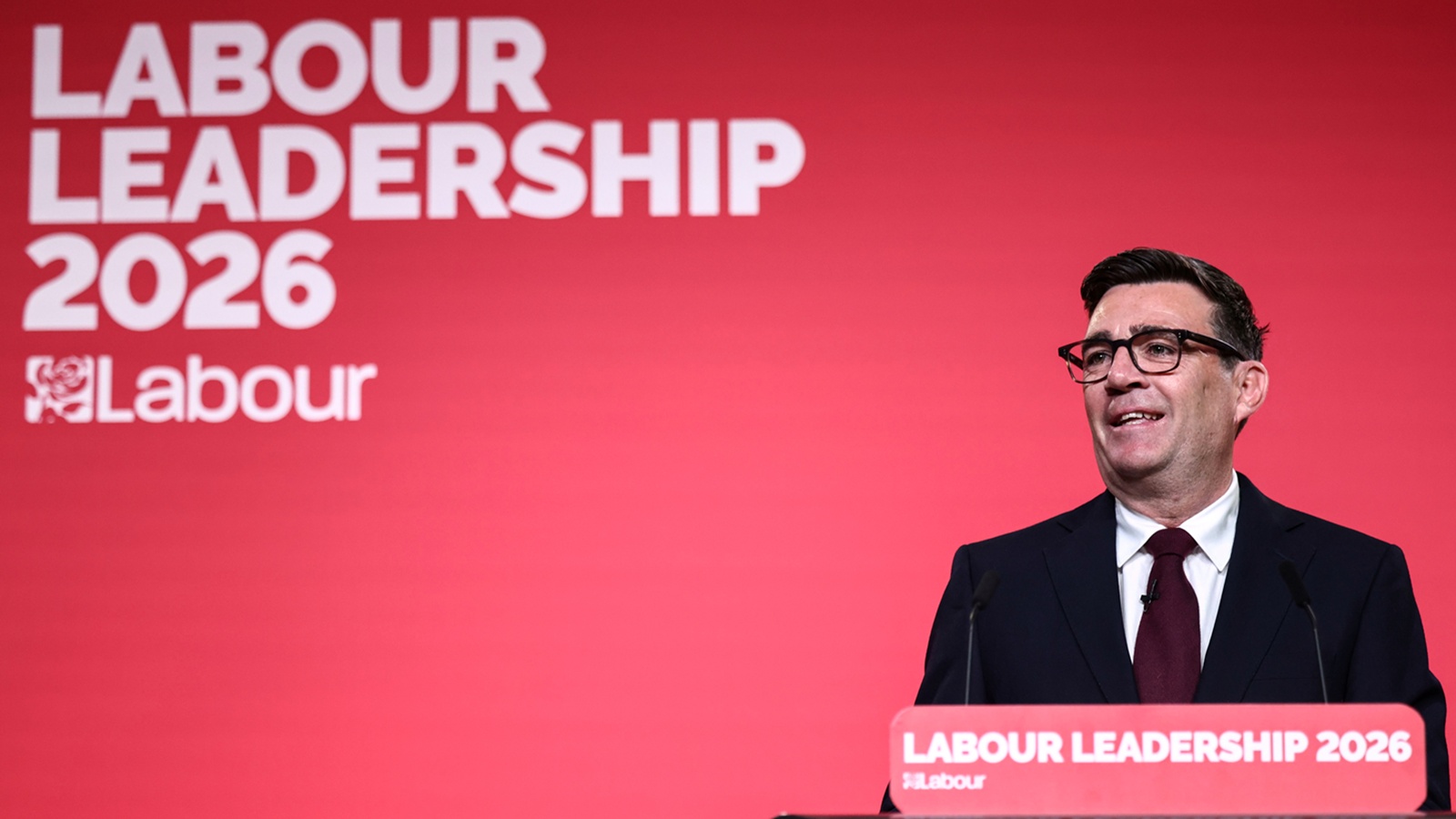
The narrative machinery in London loves a good redemption arc. The moment Andy Burnham’s name gets tossed into the ring for 10 Downing Street, the media ecosystem reflexively reaches for the same tired script: the "King of the North" returning to save a fractured nation from decade-long political turbulence. It is a cinematic storyline. It is also completely detached from how UK executive power actually functions.
Crown him Prime Minister, and you do not solve northern neglect or break the endless cycle of leadership turnover. You neuter the single most effective regional counterweight the UK has developed in a generation, while handing the Treasury a blueprint to quietly starve regional infrastructure under the guise of "one of our own." For a deeper dive into similar topics, we recommend: this related article.
Here is the truth the commentariat ignores: regional mayors are powerful precisely because they operate outside the Westminster consensus. Dragging Burnham back into the Cabinet room destroys the asymmetric advantage that made Greater Manchester a success story in the first place.
The Regional Mayor Paradox
For ten years, political commentators have treated Westminster leadership like a game of musical chairs. Seven prime ministers in ten years is a symptom, not the disease. The real failure is the hyper-centralization of British governance. To get more context on the matter, comprehensive coverage can also be found at Reuters.
London-based analysts look at Burnham’s success in Manchester—building out the Bee Network, taking control of local transport, driving local development—and conclude that his secret sauce belongs in Downing Street. That is a fundamental misreading of power dynamics.
Burnham succeeds in Manchester because he can play the villain to London’s bureaucracy. When you run a region, your mandate is singular: fight for your turf, extract resources, and blame central government when Whitehall bureaucracy slows down delivery. It is a clean, focused mandate.
Put that same leader at the top of the central government, and the incentives invert overnight:
- The Treasury Trap: A Prime Minister from the North cannot favor the North without provoking mutiny from southern, midland, and Scottish backbenchers.
- The Bureaucratic Grind: Central ministers spend 80% of their time managing competing departmental crises, national defense, and foreign policy, rather than targeted regional execution.
- The Loss of Counter-Power: Taking the most visible regional advocate off the board weakens every metro mayor in the country.
I have spent decades watching executive leadership transitions across both corporate turnarounds and public policy overhauls. The mistake organizations make again and again is taking an exceptional operational specialist out of a high-leverage local position and thrusting them into an administrative, high-politicized holding role. You do not fix a broken holding company by appointing the general manager of your best subsidiary to be CEO—you just ruin your best subsidiary.
The Myth of Northern Integration
The common wisdom claims that a Burnham-led government would instantly fix the UK's regional economic imbalance. That idea relies on a total misunderstanding of British fiscal policy.
The Treasury runs on strict, central cost-benefit formulas (the Green Book model) that inherently favor high-yield, existing economic hubs like London and the South East. Changing a Prime Minister does not magically rewrite the structural DNA of civil service risk aversion.
"A change of leadership at the top without a fundamental dismantling of Treasury capital allocation rules is pure political theater."
When regional leaders step into No. 10, they do not bring their local autonomy with them. They inherit an apparatus designed to restrain spending, placate capital markets, and balance regional rivalries. The moment a former regional mayor refuses to fund an infrastructure project in Surrey to build a rail line between Leeds and Manchester, the national press eats them alive for regional bias.
The result? Northern prime ministers often end up leaning over backward to prove they are not favoring their home turf.
What People Get Wrong About Regional Power
People ask: "Wouldn't having a northern champion in Downing Street finally force Whitehall to decentralize?"
No. Central governments do not voluntarily cede power; power is exacted from them by strong, independent external forces.
| Governance Level | Power Mechanism | Vulnerability |
|---|---|---|
| Metro Mayor | Local mandate, direct media leverage, focused regional coalition | Dependent on central block grants |
| Prime Minister | National legislative control, diplomatic authority | Fragile backbench coalitions, systemic Treasury friction, national media scrutiny |
The real leverage of the Metro Mayor model lies in its independence. When Burnham stood on the steps of St Peter's Square demanding fair financial support during regional lockdowns, he held immense leverage specifically because he was not bound by collective cabinet responsibility. He was an outsider negotiating with the state.
Inside No. 10, that leverage disappears. You are no longer negotiating with the state; you are the state, bound by its debts, its trade-offs, and its structural gridlock.
The Only Path That Actually Works
If the UK wants to fix its political instability and revive its regional economies, the solution is not shuffling another high-profile figure into 10 Downing Street to face the same institutional meatgrinder.
Real structural reform requires three deliberate steps:
- Permanent Fiscal Devolution: Stop making regional mayors beg for localized funding pots. Automate regional tax retention so cities keep a direct percentage of the revenue they generate.
- Institutional Isolation: Keep effective regional executives in their regions. The UK needs a stable, multi-decade layer of regional leaders who build lasting local institutions rather than using local office as a stepping stone to Westminster.
- Reforming the Treasury's Green Book: Change the underlying economic evaluation metrics that systematically undervalue long-term infrastructure investment in lower-density regions.
Moving an effective regional administrator to Downing Street changes the face at the podium. It does not change the math.
Stop looking for a political savior to sit in London and fix the country from the top down. The real work of fixing British governance is happening in the regions—and it only works as long as the people doing it stay put.