Ever tried holding a brush or turning a page when your fingers are stiff as twigs? Poets, scholars, and palace maids in imperial China knew that exact misery well before central heating or electric coils existed.
Instead of roasting an entire drafty room for hours, ancient builders and artisans designed targeted, low-fuel heating devices that kept a single person, a pair of hands, or a sleeping platform warm. Many of these gadgets show up in classical poetry, novels, and museum collections, and honestly, the physics behind them makes modern plug-in heaters look pretty wasteful.
Pocket Heat in Hand Warmers and Warming Baskets
When you're walking across a cold courtyard or sitting in an unheated study, heating the air around your knees does almost nothing for numb fingertips. Hand warmers—often called shoulu or xiulu—solved that by putting a small bowl of smoldering charcoal or slow-burning incense ash inside a vented metal body. Artisans made them in copper, brass, bronze, and cloisonne enamel, complete with pierced lids so heat could escape while sparks stayed trapped.
Some were palm-sized enough to tuck into wide robes or hold between your palms while reading. Others had swing handles so servants or travelers could carry them along drafty corridors. Museum collections from the Ming and Qing dynasties hold finely chased examples where the lid doubles as a miniature landscape or pierced fretwork.
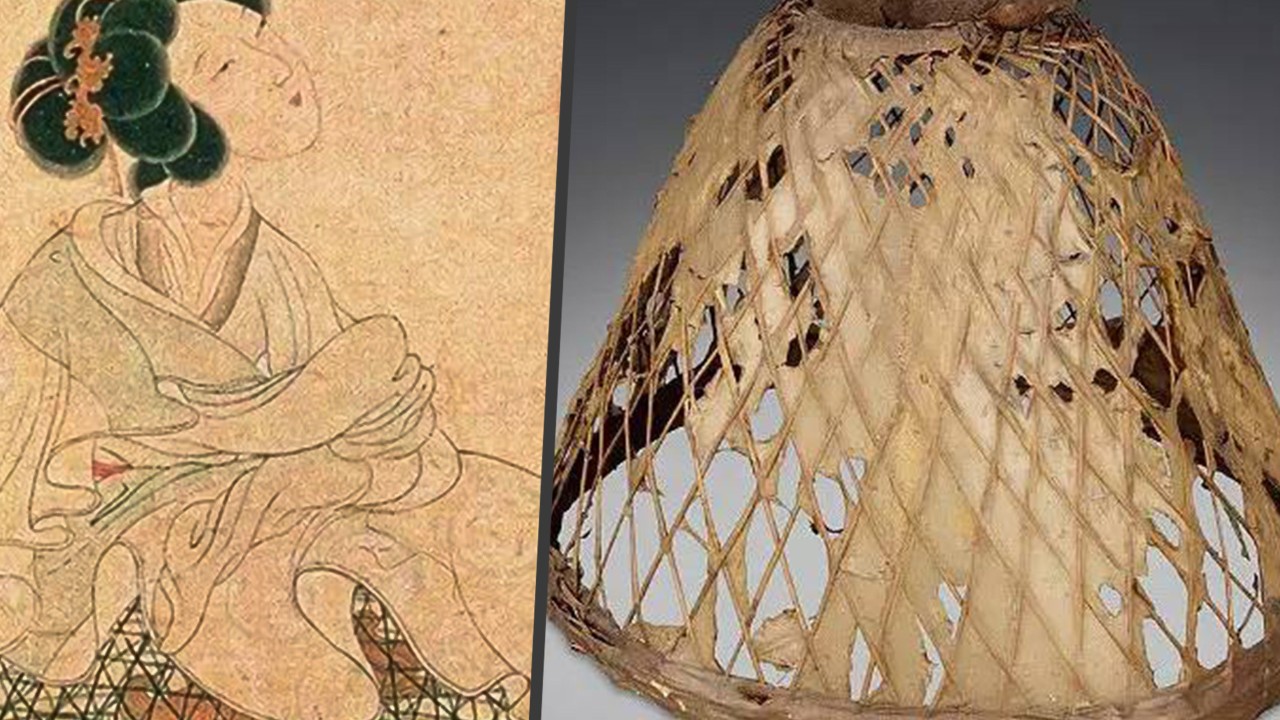
Warming baskets (honglong) took a slightly different approach for sitting still. Picture a woven bamboo or rattan basket around a small clay or metal brazier. You set it near your chair or beneath a table, letting gentle warmth rise without putting live coals directly against your clothes. Classical literature captures how everyday these devices were in domestic life, often weaving them into scenes of winter waiting, quiet reading, and shifting fortunes rather than treating them like rare novelties.
A practical catch: Indoor charcoal and smoldering fuel carry real carbon monoxide and smoke risks if ventilation is tight. Historical comfort didn't mean risk-free air, especially in cramped rooms with shut windows.
The Kang Bed Turned Floors Into Furnaces
Handheld warmth helps your fingers, yet sleeping through a northern Chinese winter takes mass. That's where the kang comes in—a raised brick, clay, or stone platform built into the room that acts as both furniture and thermal stove.
Archaeological finds in Liaoning trace early heated sleeping floors back roughly 7,200 years, showing how deep this idea runs in northern living. Instead of burning an open fire right on the sleeping surface—an older practice known as zhidi—the classic kang routes hot exhaust gases through internal flues beneath the platform before venting them out.
The genius is thermal mass. Heavy clay and masonry soak up heat while the fire burns, then radiate it steadily for hours after the flames die down. During the day, family members could sit or work on the warm surface; at night, it became the bed.
Larger architectural heating followed a similar flue logic in major compounds like Beijing's Forbidden City, where subterranean brick channels carried warm air beneath palace floors. Still, the kang wasn't a luxury toy—it was survival engineering tailored to scarce fuel and freezing nights.
Foot Stoves and Hot Water Bottles for Quiet Comfort
Cold feet ruin sleep faster than almost anything else. Foot stoves (jiaolu) gave people a dedicated heat source under a desk or footstool so they didn't have to overheat the whole room just to keep their toes warm. Pair a foot stove with a warm lap or blanket, and you get surprisingly cozy on a modest amount of fuel.
Then there's the tangpozi, a traditional hot water bottle made from copper, brass, pewter, or stoneware. Fill it with hot water, screw or stopper it tight, and slip it under the covers before bed. No embers, no ash, no chimney—just simple hot water holding heat long enough to take the chill off your sheets.
Literary mentions and surviving metal vessels show how practical these everyday items were across centuries. They weren't flashy inventions. They were quiet, repeatable routines that made winter bearable without electricity.
What Modern Homes Can Actually Borrow
You don't need a brick flue under your living room floor to use the core principle behind these gadgets. The big lesson isn't "go buy antique bronze"—it's heat the person and the micro-climate, not empty cubic air.
- Try a modern hot water bottle in bed 20 minutes before sleep instead of cranking the thermostat all night.
- Use a low-wattage under-desk foot warmer if you work at a desk with cold floors, rather than overheating a whole apartment.
- Layer your textiles—warm slippers, throw blankets, and draft stoppers around doors—so heat stays where you sit.
- Prioritize ventilation whenever you use any flame, candle, or fuel-burning warmer indoors, and skip indoor charcoal completely in poorly aired spaces.
Ancient winter survival wasn't primitive guesswork; it was smart thermal zoning built around real constraints. Grab a hot water bottle tonight, seal a drafty door gap, and see how little energy real comfort actually takes.