The sirens always sound different when the air is cold. They don’t just wail; they pierce, slicing through the heavy, damp silence of a London night like a physical blade. For those who live above the storefronts, the sound is a grim metronome of urban life. You learn to sleep through it. You learn to tune it out.
Until the screaming starts. Learn more on a similar issue: this related article.
It was just past midnight when the concrete gave way to chaos. A standard news report would tell you that a violent altercation broke out, leaving five men wounded and one in handcuffs. It would give you the dry geometry of a crime scene—the cordoned-off street, the flashing blue lights reflecting in puddles of rain, the sterile updates from Scotland Yard. But a news report cannot capture the smell of iron and cheap lager hanging in the air. It cannot translate the sudden, terrifying realization that five distinct lives were permanently altered in the span of ninety explosive seconds.
Violence in a metropolis is rarely cinematic. It is messy, chaotic, and devastatingly fast. More analysis by TIME delves into comparable perspectives on this issue.
The Unseen Ripple Effect
Imagine a young man named Marcus. He is a hypothetical composite of the dozens of young men who find themselves in the wrong square mile of asphalt at the wrong hour, but his reality is undeniable. Marcus was walking home from a late shift, his headphones draped around his neck, thinking about nothing more substantial than rent and morning coffee.
Then, the pavement shifted.
A sudden clash of bodies. Shouted words that made no sense. The flash of steel under the amber glow of a streetlamp.
When five men are injured in a street brawl, the immediate focus is naturally on the physical trauma. The flashing ambulances. The sterile snap of latex gloves in an emergency room. But the true damage of a midnight stabbing expands outward like a shockwave, tearing through families, fracturing neighborhoods, and leaving scars that no surgeon can stitch.
Consider what happens next: the phone rings in a quiet dark bedroom miles away. A mother wakes up to a stranger’s voice telling her to come to the hospital. In that single, breathless moment, the abstract statistic of city crime becomes an intimate, agonizing reality. The city goes on spinning. Buses still rumble down the avenues. Yet, inside that hospital waiting room, time grinds to a agonizing halt.
The Illusion of the Outsider
It is easy to read the headlines and distance ourselves. We compartmentalize. We tell ourselves that these things happen in specific dark corners, to specific people, under specific circumstances. It is a defense mechanism. If we believe the violence is contained, we can believe that we are safe.
But the reality of urban friction is far more porous.
The friction exists because millions of people from every conceivable walk of life are compressed into the same tight grid of historic streets. We share the same sidewalks, crowd into the same Tube carriages, and breathe the same night air. The line between a peaceful night out and a catastrophic headline is often nothing more than a misheard word, a spilled drink, or a momentary lapse in judgment.
The tension builds long before the first blow is struck. It builds in the systemic pressures of an overcrowded city, the lack of youth spaces, the economic anxieties that simmer just beneath the surface of the glittering skyline. When the explosion happens, it is merely the manifestation of a heat that has been rising for months.
Anatomy of the Aftermath
What does it actually mean for five men to be wounded?
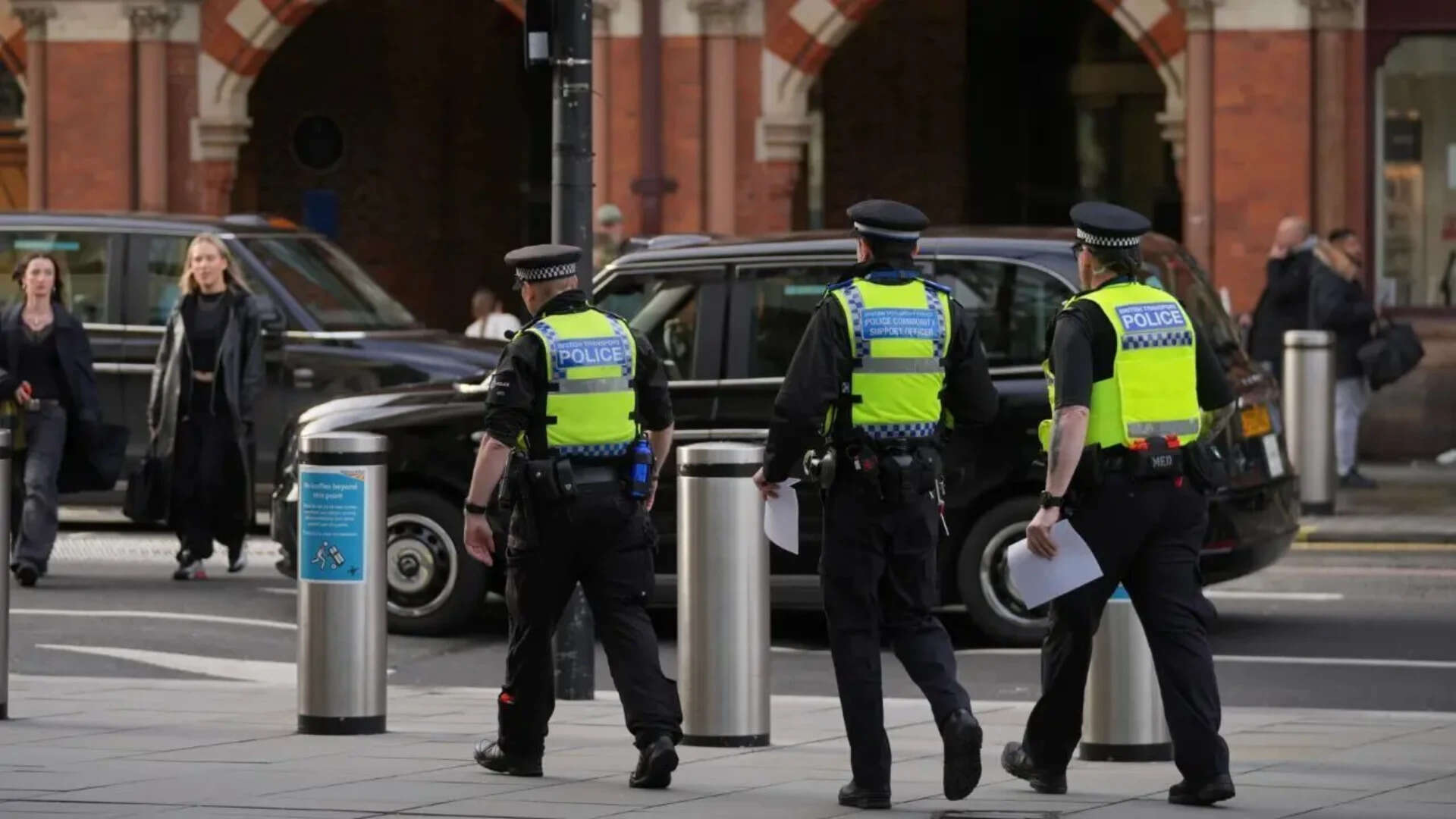
In the immediate aftermath, it means an entire neighborhood is paralyzed. Yellow crime scene tape flutters in the wind, turning a familiar walkway into a forbidden zone. Commuters are forced to take detours, looking askance at the police officers standing guard over a patch of stained concrete.
The physical wounds will heal for some. For others, the nerve damage or the psychological trauma will linger for decades. There is a specific kind of phantom pain that accompanies a violent assault—a hyper-vigilance that transforms every sudden movement in a crowd into a potential threat. The city ceases to be a playground and becomes a labyrinth of hazards.
Then there is the man who was arrested.
A single choice, fueled perhaps by adrenaline, alcohol, or peer pressure, sets a completely different set of gears into motion. The steel door of a cell slams shut. Legal machinery begins to grind. A family loses a son to the justice system just as surely as another family almost lost a son to the pavement. The tragedy isn't singular; it is cyclical, feeding into a larger narrative of loss that seems to have no expiration date.
Beyond the Yellow Tape
We have become numb to the cadence of breaking news. We glance at the notification on our phones, register the location, feel a brief pang of sympathy or fear, and swipe it away to check the weather.
But the silence that returns to a street after the police tape is taken down is not the same as the silence that existed before. It is heavy with unacknowledged grief. The shopkeepers scrub the pavement. The morning deliveries arrive on time. The city demands that life resume its frantic pace, offering no time for mourning, no space to process the collective shock.
The real story isn't the altercation itself. It is the fragile nature of our shared peace. It is the reminder that beneath the historic architecture and the tourist veneer, a city is a living, breathing organism that requires care, connection, and an active effort to understand one another. Without that, the concrete remains cold, and the sirens will keep sounding exactly the same.
A lone paramedic jacket lies forgotten near a curb, its reflective fabric catching the pale light of dawn as the first morning train rumbles overhead.