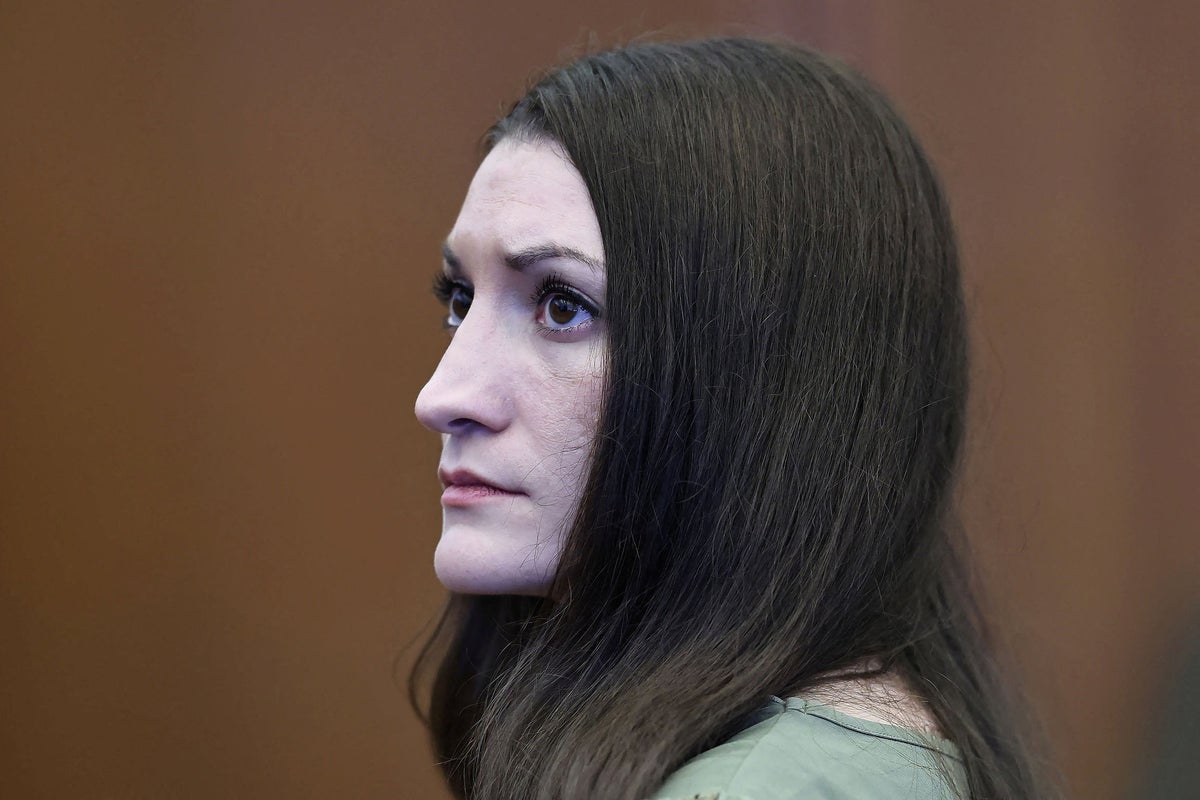
High-profile judicial proceedings involving severe physical violence and complex psychological testimony place an acute cognitive load on the individuals tasked with adjudicating guilt. Recent structural responses to trials such as the Massachusetts case involving Lindsay Clancy demonstrate an emerging operational shift: treating post-trial psychological support not as an optional accommodation, but as a necessary maintenance protocol for state actors. When citizens are pulled from civilian life to evaluate catastrophic domestic tragedies, the institutional exposure creates a distinct category of secondary trauma that requires formal mitigation frameworks.
Evaluating the architecture of this mental strain reveals three primary stress vectors that compromise juror cognitive stability during protracted litigation.
The Three Pillars of Trial Induced Cognitive Strain
The first vector is evidentiary immersion. Jurors are subjected to exhaustive forensic detail, graphic medical examiner reports, and unfiltered accounts of domestic homicide. Unlike clinical professionals who maintain emotional detachment through professional distance and systemic boundaries, jurors are thrust into immediate, unbuffered intimacy with horror.
The second vector is communication restriction. Legal statutes forbid jurors from discussing the case details with spouses, family, or friends until a final verdict is reached. This isolation creates a closed-loop processing environment. The cognitive load cannot be offloaded through casual social processing, forcing the human brain to retain, isolate, and ruminate on disturbing imagery without external release valves.
The third vector is binary forced choice under extreme ambiguity. When a jury confronts a case defined by contested psychiatric definitions—such as distinguishing between severe depressive states and psychotic breaks—the weight of deciding a defendant's permanent institutional or penal destiny interacts directly with the graphic nature of the evidence. The friction between emotional aversion and the legal obligation to remain dispassionate generates internal psychological dissonance.
The Cost Function of Retrospective Judicial Care
Historically, judicial systems operated under an assumption of complete civilian resilience. Citizens were dismissed at the conclusion of a trial with minimal debriefing, leaving individuals to absorb the psychological fallout independently. This model ignores the measurable behavioral health consequences documented by academic literature, which indicates that a significant percentage of jurors experience acute trial stress symptoms, including sleep disruption, intrusive thoughts, and hypervigilance.
The introduction of structured psychological exit protocols, such as digital access pamphlets and counseling referral programs utilized in jurisdictions like Massachusetts, functions as a psychological triage mechanism. Described operationally as a first-aid intervention, these frameworks acknowledge that the state incurs an implicit duty of care when compelling citizens to participate in the machinery of criminal justice.
Failing to provide systematic decompression infrastructure creates secondary system costs. Jurors experiencing untreated acute stress are prone to compromised decision-making capacity during prolonged deliberations, heightened risk of deadlock, and long-term civilian impairment. Mitigating these outcomes requires embedding behavioral health resources directly into the discharge pipeline of high-intensity judicial proceedings.
The Operational Response
Integrating mandatory debriefing pathways shifts the liability model of court administration. Jurisdictions moving toward proactive psychological support recognize that maintaining the integrity of the jury pool requires safeguarding the cognitive well-being of its members long after the courtroom doors close. The structural permanence of these programs will depend on scaling access without violating the privacy boundaries essential to the jury deliberation process.
Trials like the Clancy proceedings expose the limits of human endurance when confronted with profound societal trauma. The systemic response must match the weight of the evidence presented.
For a detailed examination of how these support structures are implemented in practice, watch Juror counseling programs overview. This resource highlights the rising institutional focus on managing the psychological fallout experienced by modern juries.