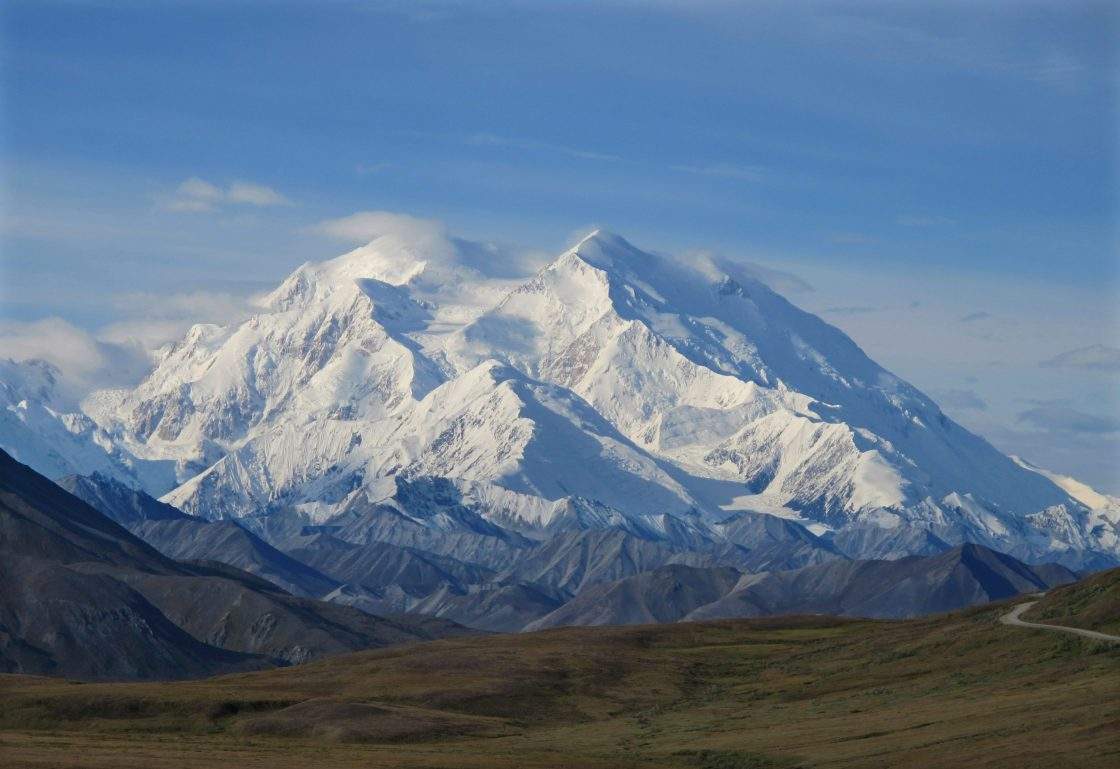
High-altitude mountaineering operates on an unforgiving margin where environmental hazards intersect with human physiological limits. Denali, North America’s highest peak at 20,310 feet, presents a unique risk profile due to its extreme latitude and severe weather patterns. The recent tragedy resulting in the deaths of three climbers near a notoriously perilous pass underscores a critical reality: most mountaineering fatalities are not caused by unpredictable catastrophic events like avalanches, but by systematic failures in risk management, navigation, and technical execution under stress.
To understand how three individuals lost their lives, we must deconstruct the objective and subjective hazards of Denali, focusing specifically on the structural vulnerabilities of the West Buttress route. By analyzing the physical mechanics of high-altitude falls, the physiological compounding factors of extreme fatigue, and the operational bottlenecks of remote search and rescue (SAR) operations, we can establish a definitive framework for risk mitigation in high-alpine environments.
The Three Pillars of Alpine Vulnerability
Alpine mountaineering accidents rarely stem from a single isolated failure. Instead, they occur when multiple destabilizing factors align to create an inescapable hazard vector. On Denali, this vulnerability is governed by three distinct pillars.
1. Environmental Geometry and Objective Hazard
The physical terrain of Denali features radical shifts in slope angle, glaciated topography, and variable snow-and-ice composition. The section between the 14,200-foot Advanced Base Camp and the 17,200-foot High Camp—specifically the Autobahn, a steep snow and ice slope leading to Denali Pass—presents a severe geometric hazard.
A slope angle exceeding 35 degrees requires constant, precise crampon technique. When the snow surface transitions to hard, wind-scoured blue ice, the friction coefficient drops dramatically. In this specific terrain, an unarrested slip converts instantly into a high-velocity slide down a sustained fall line, ending in terminal terrain traps or bergschrunds hundreds of feet below.
2. Physiological Degradation and Cognitive Impairment
At 17,000 feet, the effective oxygen percentage is roughly half of that at sea level due to barometric pressure drops, which are exacerbated by Denali’s high arctic latitude. This severe hypoxia initiates a cascade of physical limitations:
- Reduced Vo2 Max: The body’s maximum rate of oxygen consumption drops, causing rapid muscular fatigue and slower recovery times.
- Impaired Motor Skills: Simple mechanical movements, such as placing a boot or clipping into a fixed line, require conscious cognitive effort.
- Decision-Making Fatigue: Hypoxia slows neural processing, leading to delayed reactions, poor assessment of weather changes, and a dangerous complacency regarding personal safety systems.
3. Systemic Safeguard Failures
The final pillar involves the breakdown of technical safety systems, primarily rope team dynamics and anchoring protocols. When traveling as a roped team on steep slopes without intermediate anchors (pickets or ice screws), the rope ceases to be a safety device and instead becomes a liability. A single climber losing footing instantly transfers a dynamic load to their partners. If the remaining team members are fatigued, caught off-guard, or lack a secure stance, the entire team is pulled off the mountain in a domino effect.
The Physics of a High-Altitude Fall: The Velocity-Time Trap
The core mechanical cause of the three recent fatalities lies in the physics of an unarrested fall on a steep slope. When a climber slips on a 40-degree icy slope, acceleration occurs rapidly due to gravity.
$$a = g \cdot (\sin\theta - \mu \cdot \cos\theta)$$
Where $a$ is acceleration, $g$ is the acceleration due to gravity, $\theta$ is the slope angle, and $\mu$ is the kinetic coefficient of friction between the climber's gear/clothing and the snow or ice surface.
On hard-packed snow or glare ice, $\mu$ approaches zero. This means acceleration is almost entirely uninhibited. Within two seconds of a slip, a climber can exceed speeds of 30 miles per hour.
The window for a successful self-arrest—using an ice axe pick to drive into the snow to create friction—is exceptionally narrow. It must occur within the first 0.5 to 1.5 seconds of the slip. Once the climber reaches terminal velocity on the slope, the kinetic energy is too massive to control via manual ice axe placement. The force required to hold the pick in the ice exceeds human grip strength, causing the axe to be ripped from the climber’s hands, or causing severe shoulder dislocation, rendering further arrest attempts impossible.
When multiple climbers are roped together without intermediate protection, the first falling climber generates a dynamic shock load on the rope. When this tension reaches the second climber, it pulls them perpendicular to their stance, instantly breaking their balance. The entire group is then accelerated down the fall line, transforming a localized slip into a collective catastrophic event.
The Operational Limits of High-Altitude Search and Rescue
A critical factor that dictates the outcome of Denali mountaineering accidents is the severe operational constraint placed on Search and Rescue (SAR) teams. The National Park Service (NPS) maintains a high-altitude helicopter program, but its efficacy is strictly governed by atmospheric physics and weather windows.
Aerodynamic Limits of Helicopter Flight
As altitude increases, air density decreases. This reduction in air density directly impacts helicopter performance in two ways:
- Reduced Lift: The rotor blades generate less aerodynamic lift, lowering the aircraft's maximum payload capacity.
- Decreased Engine Power: Internal combustion and turbine engines require oxygen to burn fuel. Lower air density reduces the mass of oxygen entering the engine, significantly degrading total horsepower.
At 17,000 feet, the NPS high-altitude A-Star B3 helicopter operates at the absolute edge of its performance envelope. The pilot cannot hover for extended periods, and rescue operations must be stripped of all non-essential weight.
Environmental Bottlenecks
Even if a rescue helicopter is mechanically capable of reaching a casualty site, weather conditions on Denali often enforce multi-day delays. High winds exceeding 30 knots, localized cloud cover (lenticular clouds), and blowing snow create zero-visibility conditions that completely ground aviation assets.
Consequently, injured climbers must rely on self-rescue or ground-based rescue from teams at lower camps. Moving a non-ambulatory patient down the steep, technical terrain from Denali Pass to the 14,200-foot camp requires an extraordinary expenditure of human resources—often demanding 10 to 12 elite mountaineers several hours to lower a single litter. If an accident occurs during a storm, help is structurally unavailable, turning survivable traumatic injuries into fatal cases of exposure or hypothermia.
Tactical Risk Management: Protocols for High-Angle Progression
To prevent the systemic failures that led to the Denali Pass tragedy, climbing teams must implement rigorous, non-negotiable operational protocols. Relying on luck or general physical fitness is an insufficient strategy on an 8,000-meter or high-latitude peak.
Running Protection vs. Short-Roping
Climbers must dynamically match their technical systems to the terrain geometry. Walking roped together on a steep, icy slope without placing intermediate anchors is an unacceptable risk. Teams must choose between two distinct strategies:
- Fixed or Running Belays: On slopes exceeding 35 degrees where a fall cannot be easily self-arrested, the team must use snow pickets or ice screws. A running belay—where the rope is clipped into anchors placed periodically by the leader—ensures that if one climber falls, the load is transferred directly to the mountain, preserving the stability of the remaining team members.
- Unroping: If the terrain does not allow for efficient anchor placement and the consequences of a fall mean a certain team wipeout, the most logical (though counterintuitive) strategy is to unrope. This isolates the risk to the individual. While severe, it prevents a single person's error from claiming three lives simultaneously.
The Objective Turnaround Matrix
Human psychology is highly susceptible to "summit fever"—a cognitive bias where the proximity of the goal blinds the individual to escalating risks. Teams must establish an objective turnaround matrix before leaving base camp. This matrix must be data-driven and independent of emotional influence.
| Variable | Threshold for Immediate Turnaround |
|---|---|
| Ambient Temperature | Below -30°F (-34°C) at High Camp |
| Wind Speed | Sustained winds exceeding 25 knots on the ridge |
| Ascent Velocity | Failure to maintain 300 vertical feet per hour |
| Time Constraint | Failure to reach Denali Pass by 14:00 local time |
| Physiological Status | Ataxia, persistent coughing, or altered mental status in any member |
The Strategic Blueprint for High-Latitude Ascent
The loss of three climbers on Denali is a grim reminder that high-altitude environments operate under strict physical laws that cannot be negotiated. The definitive playbook for safely navigating these peaks requires a complete shift from a goal-oriented mindset to a process-oriented risk management framework.
True alpine mastery is defined by the calculated preservation of safety margins. Teams must ruthlessly audit their technical proficiency, accept the physical limitations imposed by altitude, and deploy robust anchoring systems whenever the slope geometry dictates that a fall is unarrestable. Ultimately, the mountain dictates the terms of engagement; the modern alpinist's only viable strategy is absolute operational discipline.