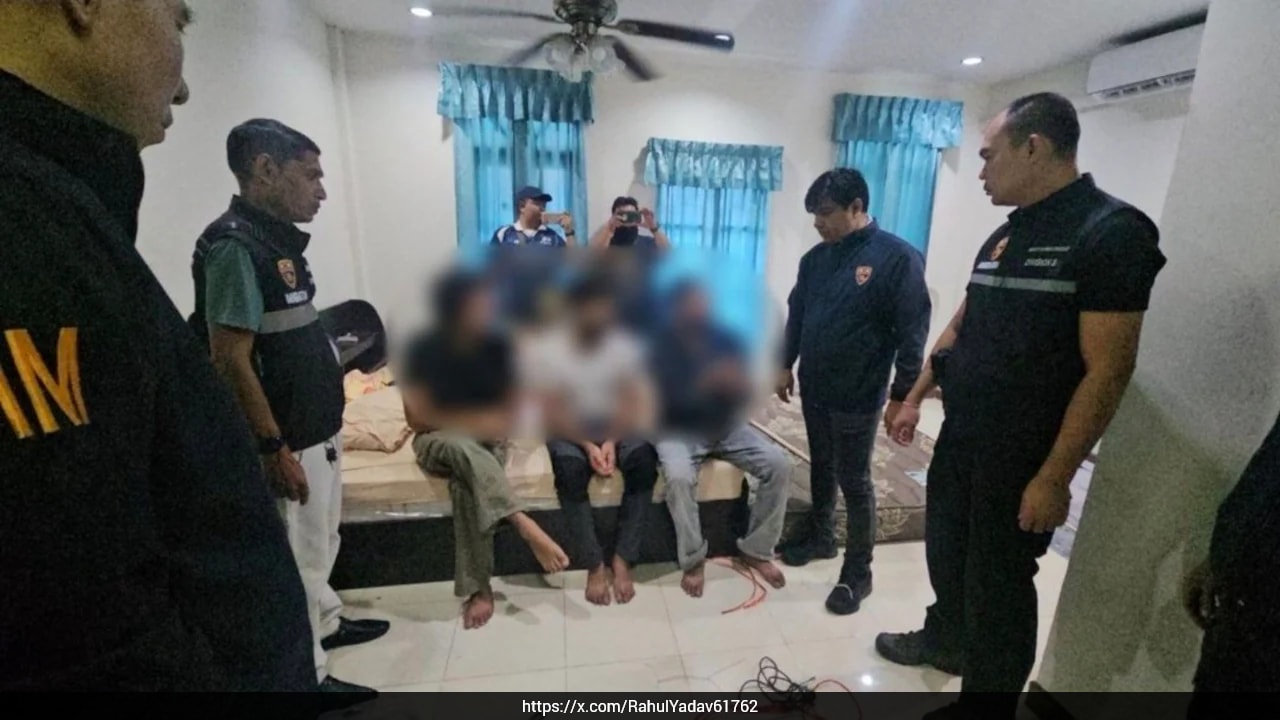
Transnational criminal networks targeting diaspora tourist populations rely on predictable vectors of deception, operational compartmentalization, and psychological coercion. The recent apprehension of five Indian nationals in Thailand for the abduction and torture of three fellow citizens highlights an evolving template in cross-border racketeering. Rather than viewing this event as an isolated criminal aberration, analyzing the mechanics reveals a repeatable business model operating across international jurisdictions.
The Funnel of Acquisition
The initial phase of any targeted extortion operation relies on acquisition efficiency. In this specific incident, the victims were compromised through a low-cost holiday package marketed to travelers originating from India. This vector exploits a structural vulnerability: the price-sensitivity of middle-income tourists seeking budget-optimized international travel.
- The Lure: Discounted bundled itineraries containing flights, transfers, and accommodations remove friction from the consumer decision-making process.
- The Vector: Arrival points act as the primary filtering node. Upon landing at Suvarnabhumi Airport, the victims transitioned directly into the control of local logistics handlers via pre-arranged, unverified transit.
- The Isolation: Moving targets from high-density transit zones to isolated residential real estate—specifically a rented townhouse in the Bang Lamung district of Pattaya—severs their immediate connection to municipal infrastructure and consular safety nets.
This acquisition model minimizes upfront capital expenditure for the syndicate while maximizing the psychological disorientation of the victims, who transition from holiday consumers to detained assets within hours of arrival.
The Economics of Coercion and Liquidity Extraction
Once physical custody is established, the operational objective shifts to liquidity extraction. The economic architecture of the crime relies on high-velocity remote extortion, calculated to bypass traditional banking flags through decentralized mechanisms or family-level panic dynamics.
The ransom demands—peaked at significant sums per captive—are calibrated against the perceived net worth of the victims' families back home. To accelerate payment velocity, syndicates use calibrated physical trauma combined with staging technology:
- Sensory Deprivation and Trauma: Prolonged food and water deprivation, combined with localized blunt force trauma to lower extremities, induces rapid physical compliance without risking immediate systemic collapse of the asset.
- Synthetic Evidence Generation: The application of visual markers, such as red spray paint simulating severe internal hemorrhage, generates high-impact media for remote family coercion via video applications.
- The Payment Gateway: Masterminds frequently attempt to route funds through cryptocurrency networks or offshore channels to obscure the trail from financial intelligence units.
The cost function for the syndicate is exceptionally low relative to the projected payout, creating high asymmetric incentives for decentralized operators willing to execute ground-level violence.
Operational Topology and Jurisdictional Arbitrage
Law enforcement disclosures regarding the Bangkok and Pattaya raids point to a decentralized command structure separated by vast geographic boundaries. The operational model exhibits classic transnational network characteristics:
- The Remote Mastermind: Strategic planning, victim sourcing coordination, and financial routing are managed by actors operating from jurisdictions with high regulatory friction or lack of direct extradition treaties, such as a handler reportedly based in Dubai.
- The Operational Layer: Ground execution, including site rental, physical guarding, and torture administration, is outsourced to disposable operatives recruited from the same country of origin as the victims to blend into tourist demographics.
- The Exit Strategy: Logistics are structured around rapid egress, with suspects booking outbound flights immediately prior to expected ransom clearance windows to minimize dwell time in the host country.
This division of labor exploits jurisdictional arbitrage. While local authorities can successfully interdict ground assets through digital footprint tracking, CCTV network analysis, and consular escalations, dismantling the top tier requires complex cross-border judicial cooperation that often experiences high latency.
Risk Mitigation for High-Growth Tourism Corridors
As destination markets implement open-border or visa-free entry initiatives to capture surging visitor volumes, the surface area for predatory scams expands proportionally. Host governments and tourism boards face an optimization problem: balancing friction-free entry for economic yield against security infrastructure monitoring for underground syndicates.
Institutions managing outbound tourism must transition from passive travel advisories to proactive digital tracking for budget group packages. Independent travelers moving through secondary transport nodes must be integrated into mandatory check-in protocols that flag sudden communication silences within the first seventy-two hours of arrival. Without tightening the feedback loop between municipal police forces and consular reporting desks, the structural profitability of cross-border tourist entrapment will continue to attract fragmented criminal cells leveraging international anonymity.
To mitigate exposure to syndicated cross-border entrapment, independent travelers utilizing discounted package deals must verify local ground-transportation credentials independently upon airport arrival, ensuring that initial transit vectors connect exclusively to registered commercial hospitality networks rather than unverified third-party intermediaries.
Police Raid to Rescue 3 Indian Hostages Held for Nearly 10 Million Rupee Ransom
This video details the multi-agency police response, tactical raid, and subsequent rescue operations involving foreign nationals held for ransom in Pattaya.
http://googleusercontent.com/youtube_content/1