The desk in the corner of the small apartment still held a stack of freshly printed portfolios. Glossy paper. Bold graphic design choices. Proof that someone had spent late nights nursing a mouse, pushing pixels around a screen, convinced that a diploma was a key to a room where doors actually opened.
Then the email arrived.
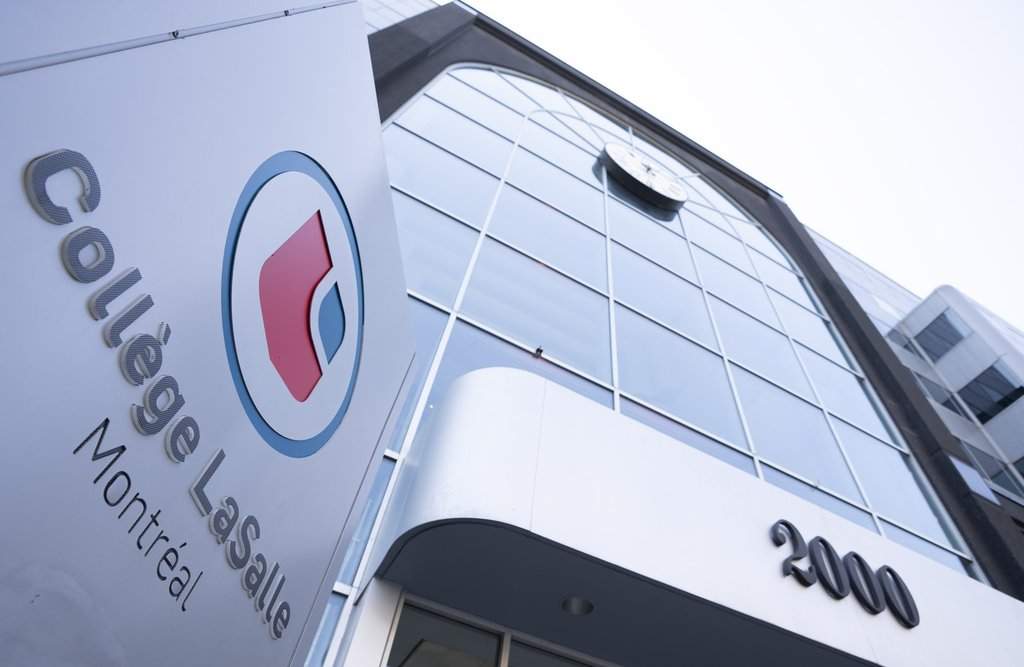
It did not come with a dramatic drumroll or the theatrical slam of a courtroom gavel. It came as a quiet PDF attachment, dense with legal jargon, explaining that LaSalle College had officially sought creditor protection. Strapped beneath a staggering thirty-million-dollar penalty, the institution found itself staring down an abyss that no course syllabus could prepare anyone to cross.
To understand what happened, you have to look past the corporate filings and the court dockets. You have to look at the hallways where ambition used to echo.
Institutions do not crumble overnight. They tilt slowly.
For decades, the promise of private career colleges and vocational institutes has been simple and seductive. Higher education in the traditional sense often feels like an ocean liner—slow to turn, expensive to board, and stubbornly detached from the immediate demands of the marketplace. Enter the specialized college. These places promised a shortcut. Come here, they whispered. Spend a fraction of the time. Learn the exact software, master the precise culinary knife cut, build the exact portfolio. Graduate directly into the waiting arms of an industry desperate for your specific, functional talent.
It was a compelling pitch. Thousands bought it. Students took out loans, working double shifts at diners and warehouses just to pay for tuition, banking on the idea that a practical education was a bulletproof vest against economic uncertainty.
(Note: While the specific internal financial maneuvers of LaSalle College are complex, the public reality of its creditor protection filing and the massive financial penalty are verified matters of public record.)
Consider Elena, a hypothetical student representing the hundreds walking these corridors. She enrolled in a design program because she wanted to make things that mattered. She didn't want a philosophy degree; she wanted a job. She spent her savings on tuition, trusting that the institution stamped on her transcripts carried weight. When an entity of that size stumbles under the weight of a thirty-million-dollar fine, the shockwave doesn't hit the balance sheets first. It hits the student staring at a tuition receipt, wondering if their upcoming semester is an illusion.
The financial penalty was not an abstract accounting error. It was a heavy, blunt instrument swung by regulatory authorities, bringing a harsh light to practices that had quietly slipped past standard oversight. When the bill came due, the illusion of infinite scalability cracked.
We often talk about businesses failing as if they are abstract machines running out of fuel. But a school is not a widget factory. It is a trust ecosystem. When a business fails, customers lose money. When a school fails, students lose time, momentum, and belief in the social contract. Time is the one commodity that cannot be refunded by a bankruptcy court judge. You cannot restructure two years of your youth. You cannot file for creditor protection against the calendar.
The aftermath of such a collapse reveals a stark vulnerability in how we fund and run modern education. When profit margins and expansion targets begin to dictate academic policy, the core mission gets crowded out. Campuses become commodities bought and sold on balance sheets, traded between parent corporations like commercial real estate.
Yet, the most haunting part of this story is not the corporate malfeasance or the courtroom strategy. It is the silence that follows the headlines.
The administrators shuffle papers. The lawyers draft protective clauses. The creditors marshal their claims, hoping to salvage pennies on the dollar from whatever assets remain. But out in the city, thousands of individuals are left standing at a crossroads with half-finished dreams and credentials whose value suddenly feels negotiable.
A diploma is more than a piece of parchment. It is an act of faith. It represents a pact between a young person starting out and a society claiming to reward effort with stability. When that pact breaks, the damage lingers in ways that standard financial audits fail to measure. It teaches a generation a cynical lesson about institutional reliability. It forces them to look at every promise with narrowed eyes, calculating the hidden downside before they dare to hope.
The lights in the downtown campus remain on for now, hummed over by fluorescent tubes and cleaning crews wiping down empty desks. But the energy is gone. The heavy oak doors are open, yet nobody is walking through them with the fierce, bright certainty of yesterday.
Outside, the city moves on, indifferent to the administrative ruin tucked away in office towers. A student walks down the wet pavement, clutching a folder of designs against the wind, wondering what comes next, and realizing for the very first time that the floor can drop out from under anything.