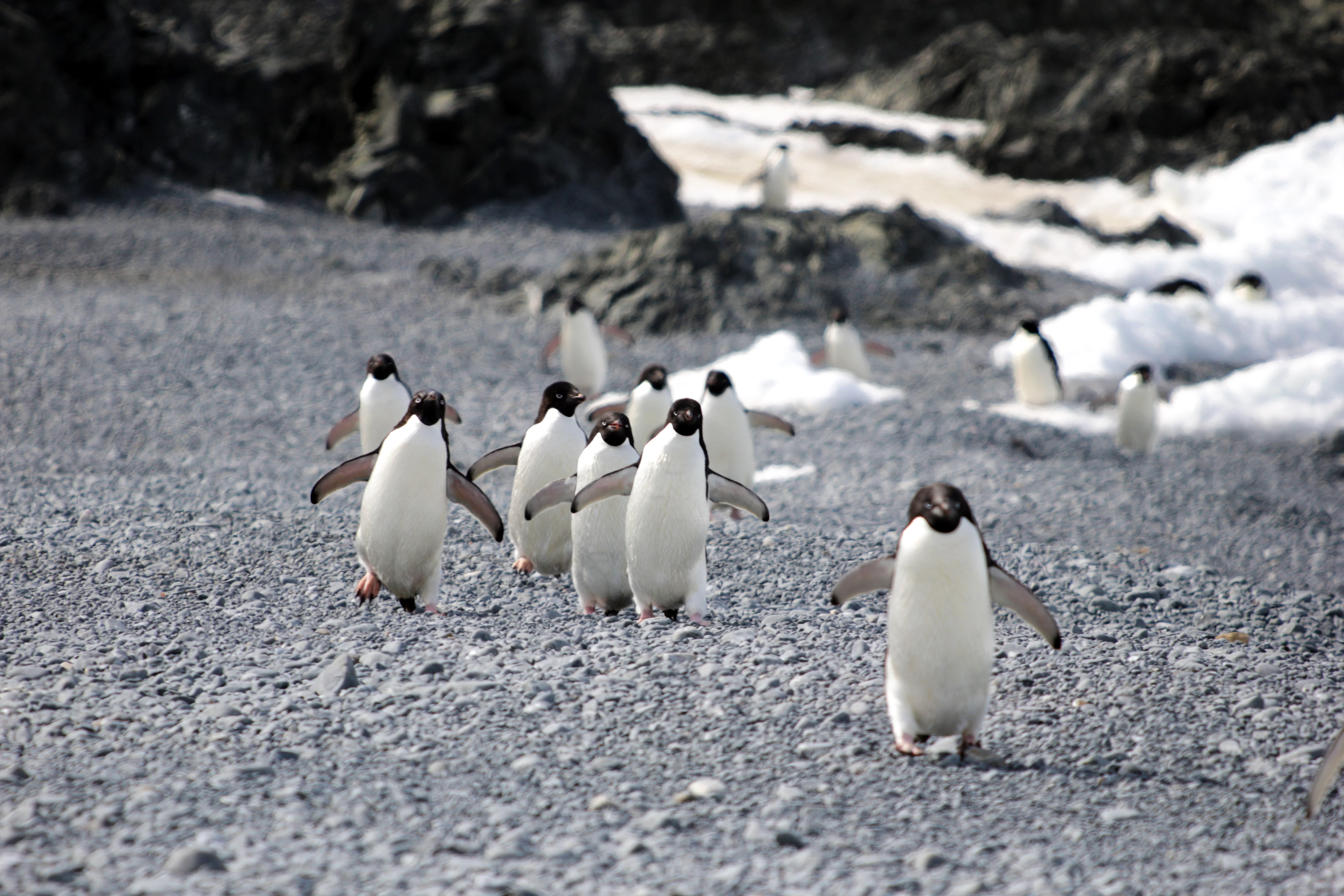
Mass mortality events in marine megafauna rarely stem from a single, isolated catalyst; instead, they represent the catastrophic failure of intersecting ecological, physiological, and environmental systems. When more than 500 penguins wash ashore dead within a compressed timeframe—such as the notable mass stranding events documented along the coasts of South America, New Zealand, and Southern Africa—the immediate public narrative defaults to dramatic, single-variable explanations like oil spills or novel plagues. Forensic veterinary pathology reveals a far more complex reality. Solving a large-scale avian die-off requires a rigorous process of elimination that isolates acute anthropogenic trauma from chronic oceanographic starvation, infectious disease outbreaks, and harmful algal blooms.
To understand how wildlife epidemiologists and marine biologists determine the exact cause of a 500-bird mortality event, one must deconstruct the forensic investigation protocol. This methodology relies on physical necropsy, oceanographic telemetry, toxicological screening, and demographic stratification to separate primary causes of death from secondary opportunistic factors.
The Forensic Triage Framework
When hundreds of carcasses appear along a coastline, field teams cannot perform full diagnostic workups on every specimen due to rapid post-mortem decomposition and laboratory bottlenecks. Investigators deploy a triage protocol designed to extract maximum epidemiological data from a statistically representative subset of fresh carcasses.
- Spatial and Temporal Mapping: Analysts plot the exact GPS coordinates and tidal lines of every carcass. A tight cluster of deaths occurring within a 48-hour window points toward an acute, localized event such as a toxic spill, a severe storm surge, or commercial fishing bycatch. Conversely, carcasses distributed across hundreds of kilometers over several weeks indicate a systemic oceanic failure, such as prey displacement or a spreading pathogen.
- Demographic Stratification: Scientists categorize the dead by age class (juvenile, sub-adult, breeding adult) and sex. Juveniles possess lower fat reserves and inferior foraging efficiency compared to adults. If the mortality sample skews heavily toward first-year birds, the primary driver is almost certainly nutritional stress. When prime-age breeding adults die in equal proportions to juveniles, investigators immediately suspect an acute toxin, a virulent infectious agent, or physical entrapment.
- Body Condition Indexing: Before opening a carcass, pathologists score pectoral muscle mass and subcutaneous fat deposits. Penguins rely on a dense layer of subdermal fat for both thermoregulation in cold water and metabolic fuel during fasting periods. A bird with atrophied breast muscles and zero internal fat reserves died slowly over weeks. A bird with robust pectoral mass and full fat stores died within minutes or hours.
Evaluating the Four Primary Mortality Vectors
Once field data establishes the baseline parameters of the die-off, laboratory teams test biological tissues against four established mechanisms of marine bird mortality.
1. Oceanographic Prey Depletion and Starvation Cascades
In the majority of large-scale penguin strandings—particularly among Magellanic penguins (Spheniscus magellanicus) along the Argentine and Brazilian coasts and Little Blue penguins (Eudyptula minor) in New Zealand—starvation is the ultimate cause of death. However, starvation is rarely caused by a total absence of fish; it is caused by a spatial mismatch between the birds' foraging range and prey density.
Penguins operate on a strict energetic budget. Swimming against ocean currents requires high caloric expenditure, which must be offset by consuming dense schools of small pelagic fish like anchovies, sardines, or sprats. When marine heatwaves, El Niño Southern Oscillation (ENSO) shifts, or overfishing push these baitfish deeper into the water column or further offshore, penguins exceed their energetic threshold.
During necropsy, starved penguins exhibit empty gastrointestinal tracts, shrunken livers, and severe muscular wasting. The final mechanism of death is often hypothermia. Once a penguin metabolizes its subcutaneous fat layer to survive, cold ocean water strips away body heat faster than the bird's basal metabolic rate can generate it. Exhausted and hypothermic, the birds abandon the water and die on the beach.
2. Anthropogenic Trauma and Fisheries Bycatch
When well-nourished penguins wash ashore simultaneously, human interaction becomes the primary hypothesis. Commercial gillnets and trawl fisheries pose a severe threat to diving seabirds because penguins pursue the exact same schooling fish targeted by industrial fleets.
Forensic pathologists identify fisheries bycatch through specific trauma signatures:
- External Lacerations: Parallel linear abrasions around the neck, flippers, or bill caused by monofilament netting.
- Subcutaneous Bruising: Localized hemorrhaging resulting from blunt force trauma against boat hulls or heavy winch gear.
- Pulmonary Pathology: Water-filled lungs paired with frothy fluid in the trachea, confirming asphyxiation underwater while the bird was actively diving and metabolizing oxygen.
Unlike oil spills—which leave unmistakable dark, viscous residue on plumage and cause birds to ingest toxic hydrocarbons while preening—bycatch leaves subtle physical evidence that requires careful examination of the skin beneath the feathers.
3. Biotoxins and Harmful Algal Blooms
Marine biotoxins represent one of the most difficult mortality vectors to confirm because they leave no gross anatomical lesions during a standard necropsy. Harmful algal blooms (HABs), driven by nutrient runoff and warming sea surface temperatures, produce potent neurotoxins such as saxitoxin (responsible for Paralytic Shellfish Poisoning) and domoic acid (responsible for Amnesic Shellfish Poisoning).
These toxins bioaccumulate in filter-feeding organisms and small planktivorous fish. Penguins sit high on the marine trophic ladder; consuming just a few contaminated anchovies delivers a lethal neurotoxic dose. Saxitoxin blocks voltage-gated sodium channels in nerve cells, causing rapid paralysis of the respiratory muscles. The penguin drowns almost instantly at sea, washing ashore with a full stomach of freshly ingested fish and intact fat reserves.
To prove a biotoxin event, toxicologists must extract stomach contents, liver tissue, and blood serum, subjecting them to liquid chromatography-mass spectrometry (LC-MS). Because algal blooms dissipate quickly due to wind and currents, water samples collected days after the strandings often come back clean, making tissue analysis the only definitive proof.
4. High-Consequence Pathogens
Infectious diseases such as Avian Cholera (Pasteurella multocida), Avian Malaria (Plasmodium species), and Highly Pathogenic Avian Influenza (HPAI) can decimate colonial seabirds. Penguins are uniquely vulnerable to novel pathogens because they evolved in relatively isolated, cold-water ecosystems with lower pathogen diversity, resulting in a narrower immunogenetic repertoire compared to terrestrial birds.
In recent years, HPAI (specifically the H5N1 clade) has demonstrated the capacity to trigger mass mortality across sub-Antarctic and South American penguin colonies. Pathologists identify viral or bacterial epidemics through systemic organ inflammation:
- Enlarged, friable spleens and livers covered in necrotic spots.
- Hemorrhagic enteritis (bleeding within the intestinal walls).
- Edema and congestion in the brain and lungs.
Confirmation requires reverse transcription-polymerase chain reaction (RT-PCR) testing of tracheal and cloacal swabs, alongside bacterial cultures to rule out secondary infections.
The Multi-Variable Interaction Effect
The critical error in superficial reporting on mass die-offs is treating these four vectors as mutually exclusive. In marine ecosystems, mortality factors compound one another through physiological stress cascades.
Consider a scenario where warming ocean currents reduce anchovy availability by 30 percent. This moderate caloric deficit does not immediately kill adult penguins, so they continue foraging. However, chronic nutritional stress elevates circulating corticosterone (the primary avian stress hormone), which actively suppresses the immune system. Simultaneously, to find scarce prey, the penguins expand their foraging range, swimming closer to coastal zones where agricultural runoff has triggered a localized algal bloom, or overlapping with artisanal fishing grounds.
A bird weakened by mild malnutrition succumbs to a parasitic load of Plasmodium that a well-fed bird would easily suppress. Or, a bird carrying a low-level viral infection lacks the stamina to escape a closing trawl net. When pathologists examine the resulting 500 carcasses, they find a complex diagnostic picture: moderate fat depletion, low-grade parasitic cysts, and acute drowning. Determining the primary cause requires ranking these variables by their immediate lethality. If the bird had survived the starvation for another three weeks, then the acute drowning or the viral pneumonia is classified as the proximal cause of death, while oceanographic warming is logged as the ultimate ecological driver.
Diagnostic Limitations and Field Bottlenecks
Even with advanced molecular diagnostics, solving mass penguin mortality events faces severe operational constraints.
The Scavenger and Decomposition Bias: Marine carcasses degrade rapidly. Within 24 to 48 hours of washing ashore, gulls, giant petrels, and terrestrial scavengers consume the soft tissues, destroying evidence of internal organ pathology and contaminating bacterial cultures. Furthermore, sun exposure and bacterial putrefaction break down viral RNA and delicate biotoxins, yielding false-negative laboratory results.
The Drift Paradox: Ocean currents and wind vectors dictate where dead birds land, not where they died. A mortality event occurring 100 miles offshore may result in zero carcasses reaching land if prevailing winds blow out to sea. Conversely, a localized storm can push hundreds of naturally occurring mortalities from a wide oceanic basin onto a single peninsula, creating the illusion of a sudden, catastrophic die-off when the actual mortality rate is within normal baseline parameters. Scientists must run reverse oceanographic drift models—factoring in wind speed, surface current velocity, and carcass buoyancy—to pinpoint the true geographic origin of the deaths.
Baseline Data Deficits: To declare a 500-bird die-off an anomaly, researchers must know the normal background mortality rate for that specific colony and season. For many remote penguin populations in the Southern Ocean, historical monitoring data is sparse, making it difficult to separate natural juvenile attrition during harsh winters from emerging anthropogenic threats.
Strategic Monitoring Shifts for Wildlife Agencies
Relying solely on reactive beach necropsies leaves conservation managers permanently behind the curve of marine ecosystem collapse. By the time 500 carcasses wash onto a shoreline, the underlying oceanic anomaly has already been active for weeks, and thousands more birds have likely perished unobserved at sea.
Wildlife health agencies and marine management bodies must transition from reactive forensic pathology to predictive sentinel surveillance. This requires integrating three operational protocols into standard coastal monitoring:
- Deploy Biologging Telemetry on Sentinel Cohorts: Equip a statistically significant sample of breeding adults across key colonies with GPS-time-depth recorders and accelerometers before peak foraging seasons. Real-time shifts in dive depth, trip duration, and foraging tortuosity provide an immediate, quantifiable metric of prey depletion weeks before birds begin washing ashore dead.
- Automate Environmental DNA (eDNA) and Toxin Screening: Replace sporadic post-mortem water sampling with automated, buoy-mounted eDNA samplers and biotoxin sensors in known penguin foraging corridors. Detecting rising concentrations of Pseudo-nitzschia algae or avian influenza viral shedding in the water column allows fisheries managers to enact temporary, dynamic spatial closures—halting gillnet and trawl operations in stressed zones before bycatch compounds nutritional stress.
- Standardize Rapid Field Necropsy Kits: Equip coastal ranger networks with standardized field sampling kits containing RNA-stabilizing buffers and portable temperature-controlled storage. Securing tracheal swabs, liver biopsies, and stomach contents within six hours of stranding eliminates decomposition bias and ensures toxicologists receive viable samples capable of yielding definitive molecular diagnoses.


