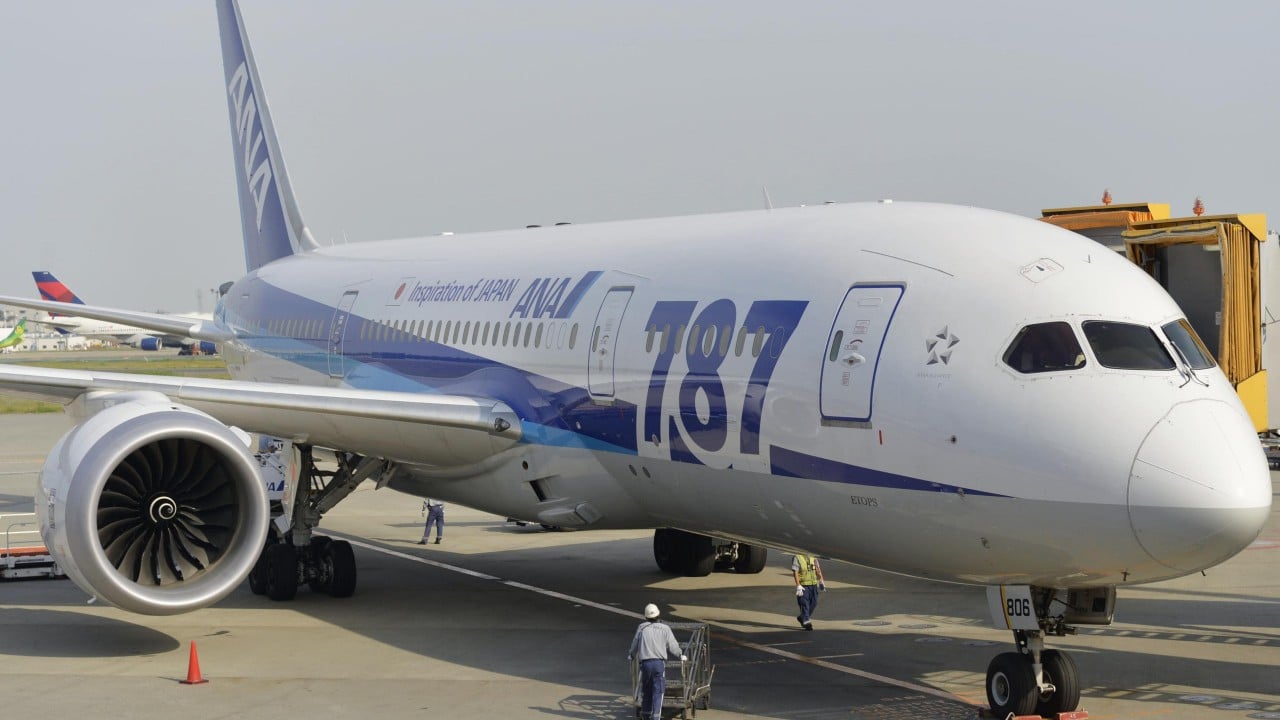
A commercial airline captain gets drunk after a flight, gropes a flight attendant in a Japanese restaurant, and ends up in a jail cell.
The mainstream media rushes to print the same predictable narrative: “Isolated incident of a bad apple behaving terribly off-duty.” Airlines issue canned press releases about "sincerely apologizing for the anxiety caused" and promising "stricter compliance training."
Everyone sighs, nods, and pretends the system works.
It is a comforting lie. And it is completely wrong.
This is not a story about one pilot who could not hold his liquor. It is a story about a systemic, institutional failure of CRM (Crew Resource Management) that airlines actively ignore because fixing it would dismantle their cherished, highly profitable corporate hierarchies.
The Illusion of the Cockpit Bubble
When an All Nippon Airways (ANA) pilot is arrested for assaulting a crew member, the industry tries to compartmentalize the event. They call it an "off-duty" personal failing.
This compartmentalization is a dangerous delusion.
In aviation, we preach that human factors do not have an on/off switch. You do not magically transition from a disciplined, hyper-vigilant, respectful crew leader at 35,000 feet to an abusive predator the second your wheels touch the tarmac. The psychological traits that allow a captain to abuse his authority on the ground are the exact same traits that lead to catastrophic cockpit failures.
For decades, the industry has relied on Crew Resource Management (CRM) to prevent accidents. CRM was designed to flatten steep authority gradients—to ensure a junior first officer or a flight attendant could speak up if a captain was making a fatal mistake.
But airlines have a dirty secret: they only enforce CRM when the cockpit door is locked and the voice recorder is running.
The moment the crew steps into the hotel lobby or a post-flight dinner, the industry reverts to an archaic, militaristic hierarchy. The captain is king. The cabin crew are subordinates. When you allow a steep authority gradient to exist off-duty, you guarantee it will bleed back into the cockpit.
Why "Off-Duty" is a Corporate Myth
Let us look at the anatomy of a layover.
To the public, a layover is a vacation. To a crew, it is a continuation of the duty cycle under a different tax code. You are eating together, staying in the same hotels, and operating under strict company policies regarding alcohol consumption and rest periods.
To claim that a captain’s behavior at a post-flight dinner is "personal time" is legally and operationally absurd.
If a pilot shows up to a restaurant, abuses their position of power to assault a colleague, and gets thrown in a Japanese jail, that is an operational failure. It directly impacts:
- Crew pairing and scheduling logistics.
- The psychological safety of the remaining crew.
- The fundamental trust required to operate a heavy multi-engine aircraft.
Imagine a scenario where a junior flight attendant has to perform an emergency evacuation alongside a captain who, just 24 hours prior, viewed her as prey. How is she supposed to assertively communicate safety-critical information to a man who degraded her dignity over drinks?
She won't. She will hesitate. And in aviation, hesitation is measured in body bags.
The Compliance Training Lie
Whenever these scandals break, corporate HR departments reach for their favorite useless weapon: mandatory compliance slides.
"We will roll out new sensitivity training," they declare.
Let us be brutally honest. Nobody has ever stopped committing sexual assault because they completed a 45-minute interactive e-learning module on slide 14 of an HR portal.
Compliance training does not exist to protect employees. It exists to protect the airline's legal liability. It allows the executive suite to point at a signed PDF and say, "See? We told him not to grope people. This is on him."
If airlines actually cared about eradicating this behavior, they would address the structural enablers:
| The Status Quo "Fix" | The Real, Uncomfortable Solution |
|---|---|
| Annual online sexual harassment modules. | Immediate, permanent revocation of pilot licenses for off-duty harassment of crew. |
| Vague corporate statements apologizing to "customers." | Transparent, independent reporting channels that bypass airline HR entirely. |
| Restricting crew alcohol consumption limits further. | Dismantling the steep seniority-based pay and power structures that protect toxic captains. |
The aviation industry operates on a seniority system that rewards longevity over character. Once a pilot reaches a certain rank, they are incredibly difficult to fire due to strong union protections and the immense cost of training replacements. Airlines are incentivized to sweep "minor" behavioral issues under the rug to keep schedules running.
This creates a culture of impunity. The ANA incident is not the anomaly; it is the logical conclusion of a system that protects the investment in the left seat at the expense of everyone else.
The Real Cost of "Getting Along"
I have spent years analyzing operational safety data. I have seen airlines lose millions of dollars not from mechanical failures, but from the invisible tax of toxic workplace culture.
When cabin crew do not trust their flight deck, communication breaks down.
- They stop reporting minor cabin defects.
- They do not voice concerns about weird noises or smells.
- They hesitate to challenge a pilot's questionable decision during a pre-flight briefing.
The industry wants you to believe that safety is built on checklists and maintenance schedules. It isn't. It is built on the social contract between the front and the back of the aircraft.
When an airline fails to aggressively police the behavior of its captains off-duty, it tears up that contract. They are trading the psychological safety of their entire operation for the convenience of not having to discipline a highly paid pilot.
Dismantling the Premise of "Professionalism"
If you search online forums, you will find a common, cowardly defense: "What happens in the bar stays in the bar. It shouldn't affect their professional career."
This premise is fundamentally flawed.
Being an airline captain is not a standard nine-to-five desk job. You are entrusted with a $150 million machine and the lives of hundreds of passengers. It is a position that demands absolute emotional regulation, impeccable judgment, and an acute understanding of human dynamics.
If you lack the basic self-control to keep your hands to yourself after a few beers, you lack the psychological stability required to command an aircraft in an emergency.
Period.
Stop treating pilot misconduct as an HR issue. It is a flight safety hazard. Until airlines treat a captain's abusive behavior off-duty with the same severity as a failed simulator check or a positive drug test, they are complicit in every single boundary crossed.
Clean up the left seat, or stop pretending safety is your number one priority.