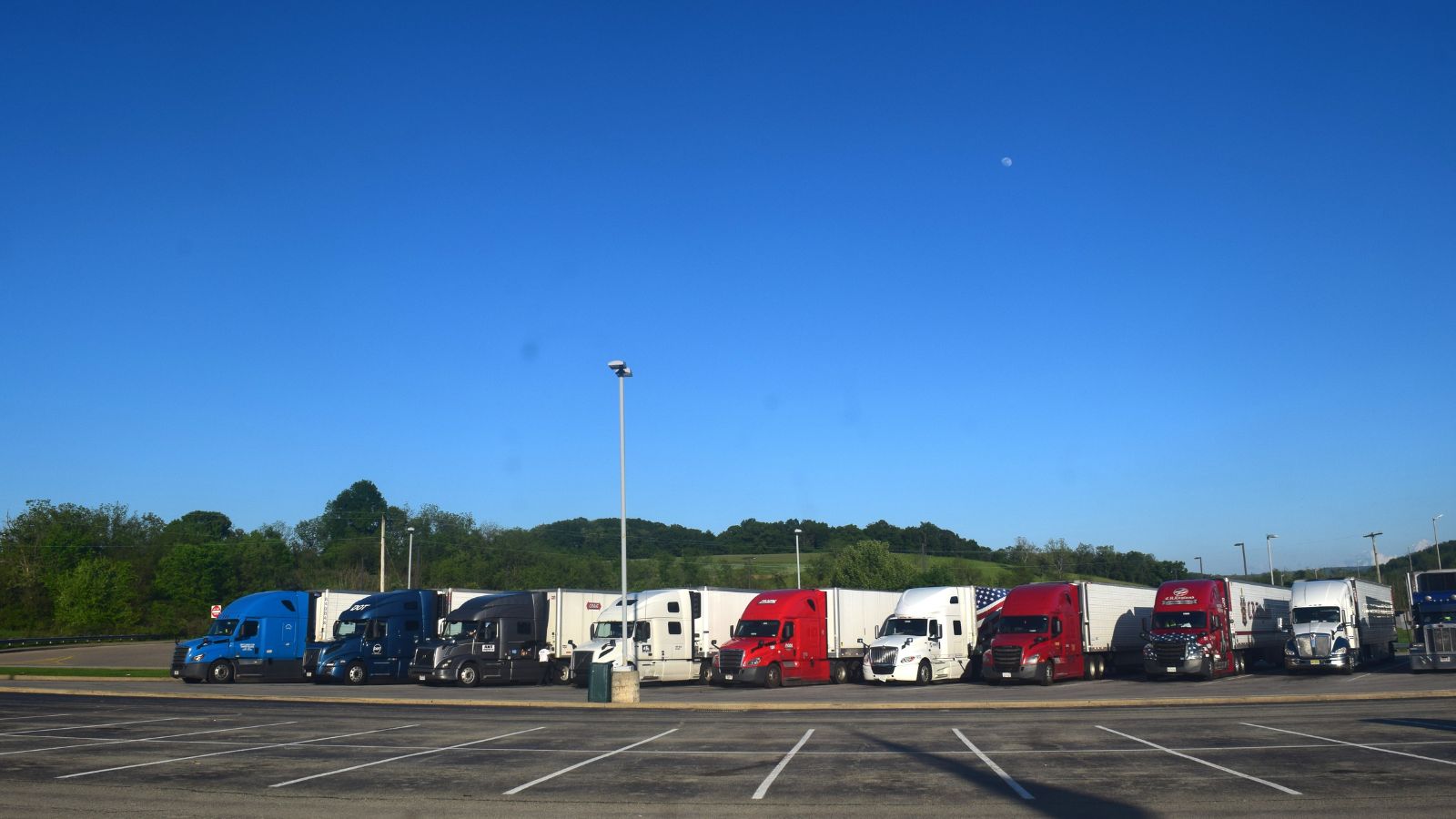
The open roads of America used to look like a gold mine for thousands of young men leaving Punjab, Gujarat, and Haryana. They traded rural life in India for the cab of a 18-wheeler, pulling down cash that seemed impossible to earn back home. But the free ride just hit a concrete wall.
Federal agents operating out of the Yuma Sector in Arizona just dropped the hammer on a massive loophole. Dubbed "Operation Checkmate," the targeted sweep ran from May 11 to May 15, pulling over commercial rigs to check the immigration status of the men behind the wheel. The results were stark. Agents arrested 52 undocumented individuals. Out of 36 people caught driving massive semi-trucks, a staggering 30 were Indian nationals. For another view, see: this related article.
They aren't just getting a ticket. They are facing fast-tracked deportation.
If you think this is a minor story about paperwork, you're missing the bigger picture. This represents a massive shift in how the US enforces immigration under Donald Trump’s second administration, and it targets an industry that serves as the economic lifeblood for thousands of South Asian immigrant families. Further reporting on this matter has been provided by NPR.
The Policy Shift Squeezing Out Expired Permits
For a couple of years, many of these drivers thought they were totally fine. They weren't hiding in the shadows; they were driving 80,000-pound vehicles across state lines. How? They held real Commercial Driver’s Licenses (CDLs) issued by states like California, New York, Washington, and Virginia.
Most of them carried Employment Authorization Documents (EADs) secured during the Biden administration. But here is the catch. Those work permits expired, or the administration revoked the programs keeping them valid.
Under the current White House, the Department of Transportation issued strict orders to block non-citizens without ironclad, permanent legal status from securing or holding these licenses. The Yuma Sector's Acting Chief Patrol Agent, Dustin Caudle, made it clear that federal agents are actively hunting for these drivers. The days of skating by on a pending asylum claim or an expired work slip are officially done.
A String of Fatal Crashes Ruined It for Everyone
Why the sudden, hyper-focused crackdown on truck drivers specifically? Honestly, public sentiment flipped after a series of horrific, highly publicized highway accidents involving Indian-origin truckers.
Look at the timeline. In August 2025, a 28-year-old driver named Harjinder Singh pulled an illegal U-turn in Florida. A minivan slammed into his rig, killing three people. Just two months later, in October 2025, a 21-year-old named Jashanpreet Singh—who entered the US illegally through the Mexican border in 2022—crashed a Freightliner tractor-trailer into an SUV in California while driving under the influence. Three more people died.
These weren't isolated headlines. They became political fuel.
The public outcry led directly to the introduction of the "Dalilah Law," a legislative push named after a five-year-old girl injured in another pileup caused by an undocumented driver. The law aims to permanently ban anyone without legal status from ever getting near a commercial driver's license. The narrative shifted from "immigrants doing tough jobs Americans won't do" to "unqualified drivers endangering families on the interstate."
The Indian Government Isn’t Stepping In to Help
If these drivers expected New Delhi to bail them out, they received a cold dose of reality. Following the Yuma arrests, Ministry of External Affairs spokesperson Randhir Jaiswal stated plainly that India does not support illegal migration in any manner.
The official protocol is straightforward. The US verifies the nationality of the drivers with the Indian embassy, India confirms it, and the deportees are put on a plane back home. No legal defense fund, no diplomatic intervention, no political posturing.
The High Cost of the Broken Trucking Dream
To understand why so many young Indian men take this risk, you have to look at the money. A commercial trucker in the US can easily pull in $60,000 to $100,000 a year depending on the routes. For a young guy from a village in Punjab, that kind of money can transform his entire family's financial future back home.
But the path to that driver's seat often involves paying human smugglers, or "donkey" flight operators, upwards of $40,000 to $50,000 just to cross the border. They start out tens of thousands of dollars in debt. They rush to get an EAD, find a trucking school that asks fewer questions, get a CDL from a lenient state, and hit the road to pay off their lenders.
When the federal government pulls them out of that cab, the financial structure collapses. They go back to India with no assets, a ruined credit profile in the US, and massive debts to local lenders who don't care about immigration crackdowns.
What Trucking Companies and Drivers Need to Do Right Now
The Yuma crackdown proved that the government is looking at the company data just as much as the individual drivers. If you run a logistics company or drive for a living, relying on old compliance checklists will sink you.
- Audit Every Single I-9 Form Immediately: If your company employs foreign nationals, do not wait for an ICE audit. Verify that every EAD is currently active. An open asylum application with a pending work authorization extension is no longer a shield against enforcement.
- Verify CDL Validity Against Federal Databases: Several states are quietly auditing their own DMV databases to scrub licenses issued to people with expired immigration paperwork. A physical license in a driver's wallet doesn't mean it's still active in the federal system.
- Transition to Bulletproof Legal Paths: If you are a driver on a temporary visa, explore legitimate employment-based sponsorships like the EB-3 visa before your current status lapses. Once an enforcement operation like Checkmate gets you in its crosshairs, the clock runs out instantly.
The reality of 2026 is simple. The American highway system is no longer a loophole for undocumented workers looking to make a quick buck. The cameras, the checkpoints, and the political will have all lined up to close the gap.